This is a shared list. It has not replaced your saved shortlist.
What these filters can tell you
“Hypoallergenic” is not an allergy guarantee. Non-shedding is a source’s coat description, not a test of human allergy tolerance. ACAAI: pet allergies.
Activity bands and lifespan categories are published guides, not individual predictions. Lifespan filters use the source’s exact wording rather than estimating an average.
UK Royal Kennel Club breed-standard ideals; checked 3 October 2026. Tags are editorial groupings of descriptions, not measured probabilities. Individual behaviour depends on health, upbringing and experience. Unlisted profiles have not been assessed here, including crosses; parent descriptions are not inherited as filter evidence. Descriptions currently cover 13 profiles. Check each linked standard and meet the individual dog.
Missing details are excluded by default. If included, those profiles are marked “Needs checking” and follow the profiles with recorded matches. These results are not compatibility recommendations.
Care guidance is not an individual prediction or compatibility recommendation. Non-shedding does not guarantee allergy tolerance. “Needs checking” means selected details are missing. Temperament: UK Royal Kennel Club breed-standard ideals, editorial tags, checked 3 October 2026; individual behaviour varies. Table links identify original standards and care-profile evidence.
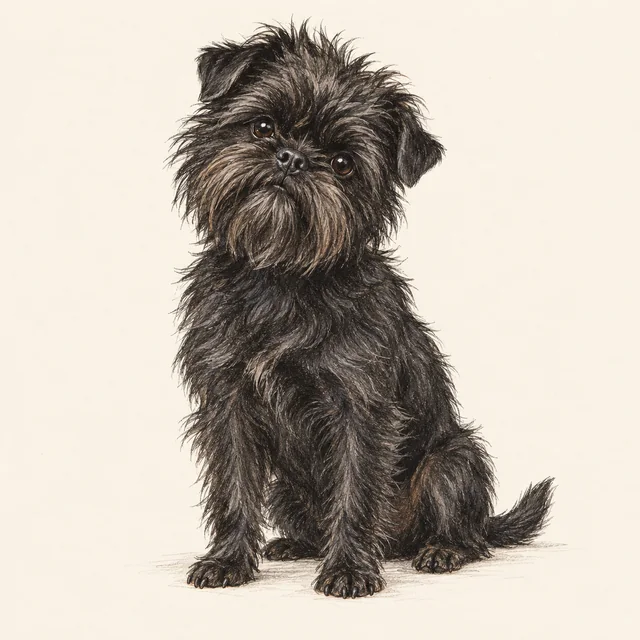
A little German dog with a wonderfully dishevelled face, the Affenpinscher began as a rodent hunter. The Royal Kennel Club describes a curious, mischievous character beneath that shaggy outline. Its appeal is the combination of pocket-sized presence and an expression that seems permanently on the brink of a joke.
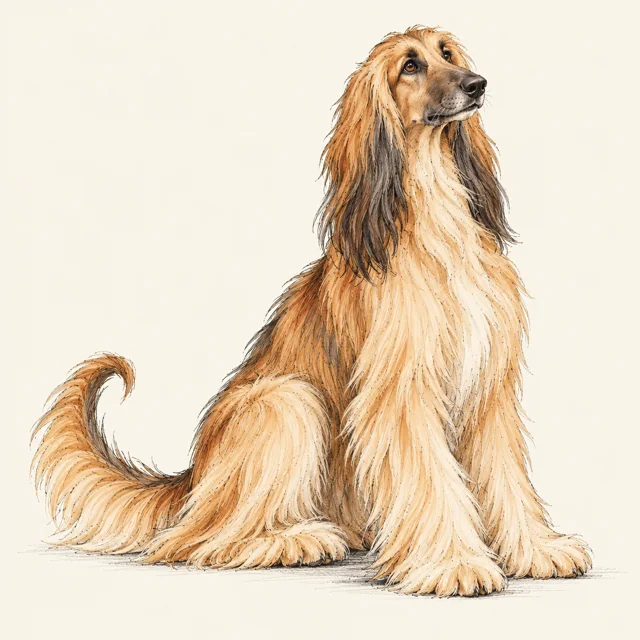
A flowing coat, long limbs and a proud silhouette make the Afghan Hound hard to overlook. This sighthound comes from Afghanistan, where dogs worked across mountain and desert terrain. Beneath the glamour is a hunter’s history; for admirers, the attraction is as much the elegance of its movement as its extraordinary hair.
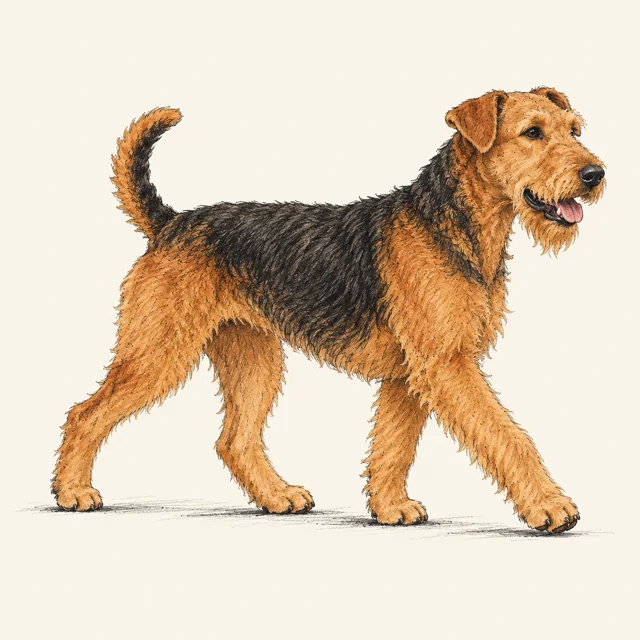
Yorkshire’s Airedale is the largest terrier, with a history that runs from riverbank vermin hunting to wartime messenger work. Its sturdy outline carries the confidence of a dog once asked to do almost everything. The nickname “King of the Terriers” feels apt: this is a breed with a substantial presence and a remarkable working story.
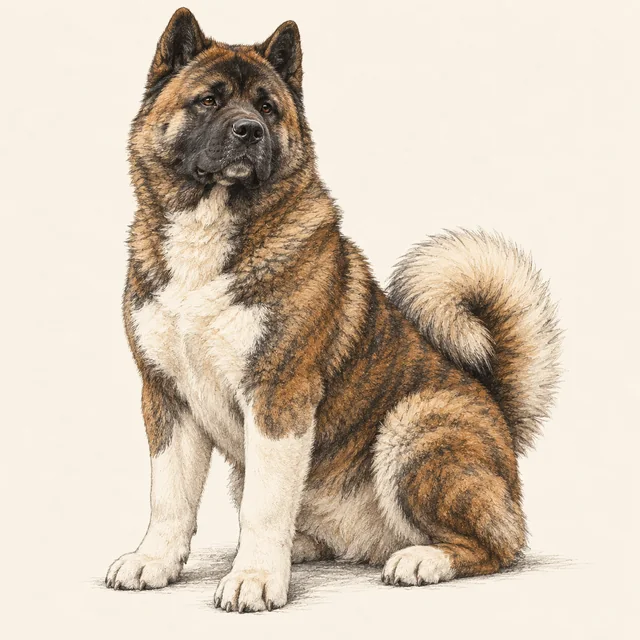
The Akita’s imposing outline begins a story rooted in Japan, where its ancestors hunted large game. The breed listed here developed further in America, gaining the powerful build recognised today; it is distinct from the Japanese Akita Inu. Its striking colours and physical presence explain much of the fascination it holds for enthusiasts.
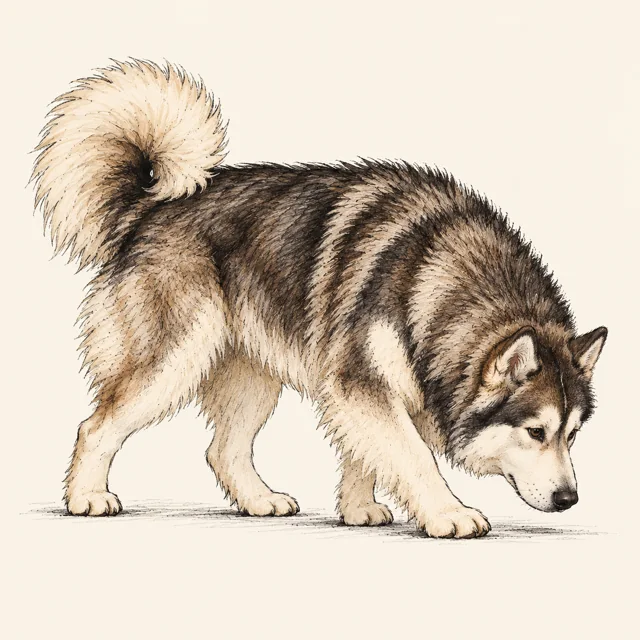
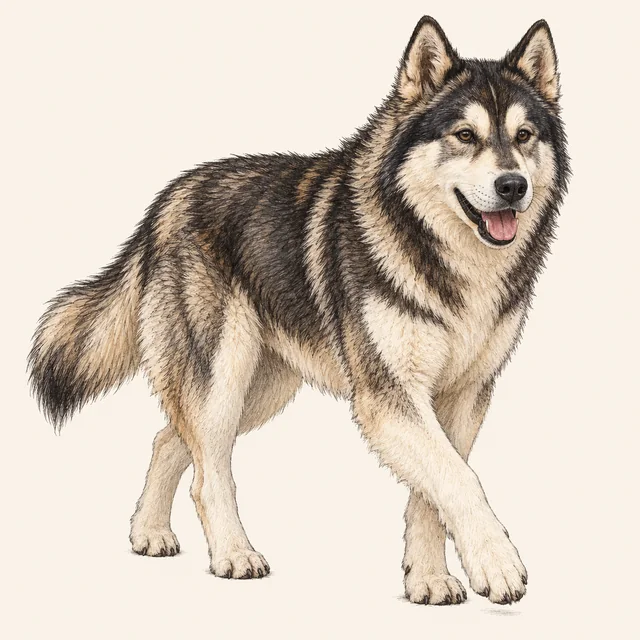
With a thick double coat and a plumed tail, the Alaskan Malamute looks built for winter. Its name honours the Mahlemut Inuit people, whose dogs hauled heavy loads over long distances. The appeal lies in that combination of northern beauty and working strength: an Arctic freight dog, rather than merely a handsome face.
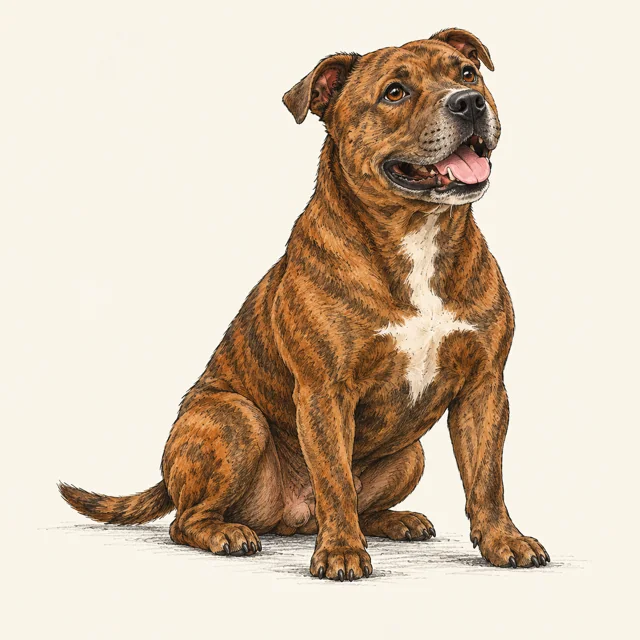
The American Bulldog’s broad, muscular appearance reflects a farm-dog story carried from Britain to America. Purina treats it as a variable type rather than a single tightly standardised breed. Admirers are drawn to that substantial working identity; the most useful portrait begins with the actual dog, its family history and its own experience.
Size
Conflicting or not a single value in the publisher guide
Coat care
Conflicting or mixed in the publisher guide; treated as unknown
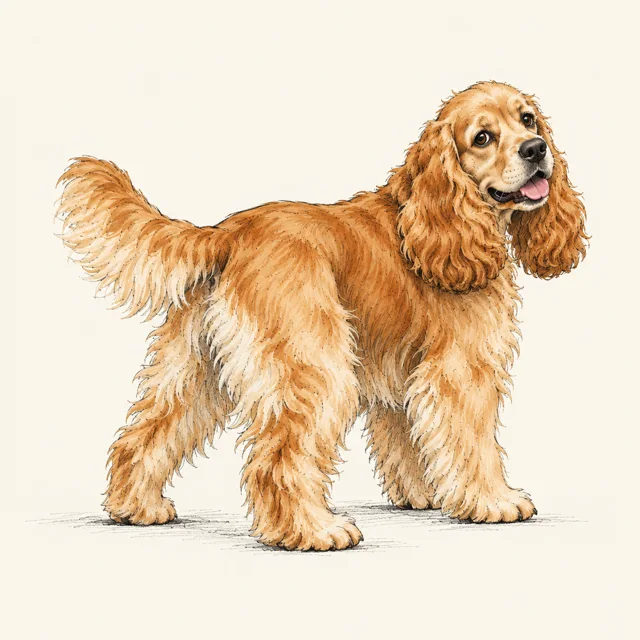
A luxurious coat and expressive face distinguish the American Cocker from its English cousin. Both share early ancestry, but American breeders developed a different outline, and the breeds gained separate recognition. For spaniel admirers, this is a particularly decorative branch of the family, with a companion-dog story alongside its sporting roots.
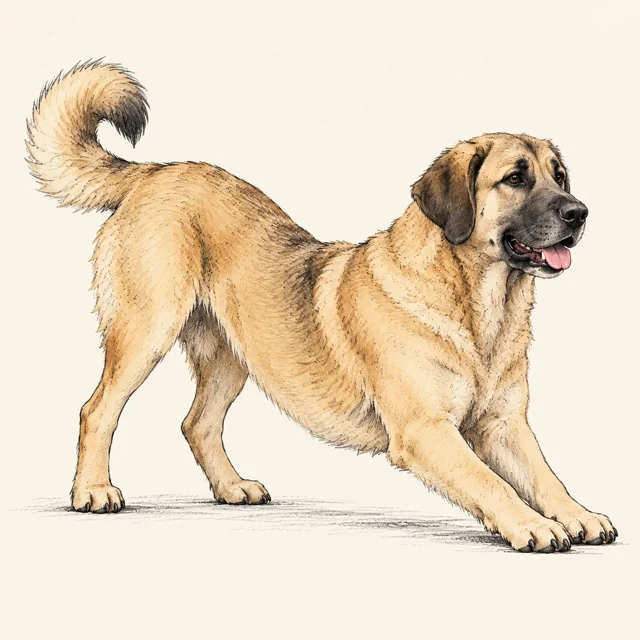
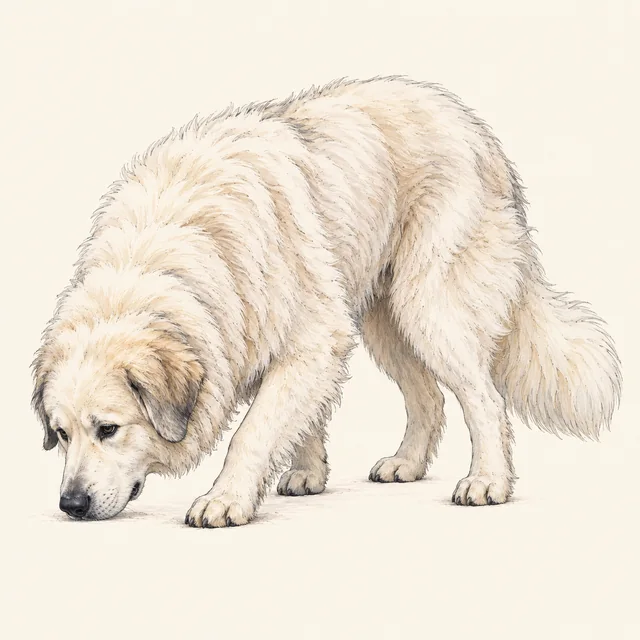
The Anatolian Shepherd’s story belongs to Turkey’s Central Anatolian Plateau, where flock guardians travelled with their people through hot summers and freezing winters. Its large, purposeful build reflects that outdoor life. Admirers value the breed’s imposing dignity, while its history of independent guarding is essential to understanding the dog behind the appearance.
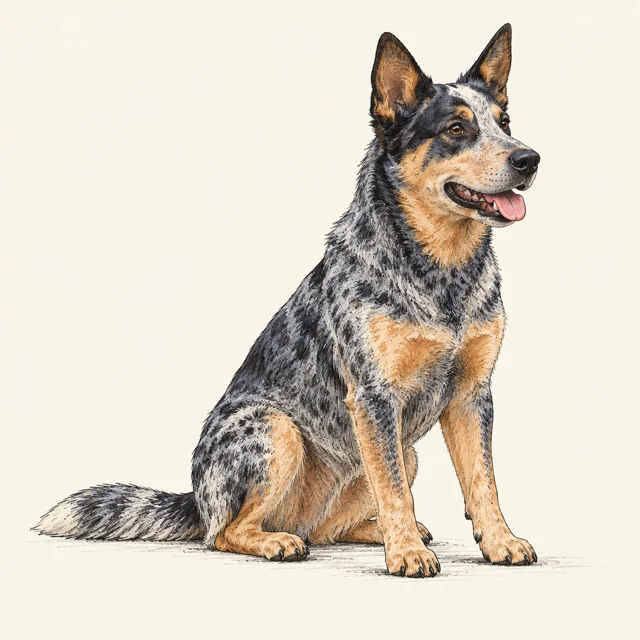
Blue or red speckling gives the Australian Cattle Dog an unmistakable look. Developed to move cattle, it worked low to the ground, nipping at heels—hence the familiar “Heeler” name. Its appeal is practical rather than ornamental: a compact working athlete whose endurance and intense sense of purpose are central to its story.
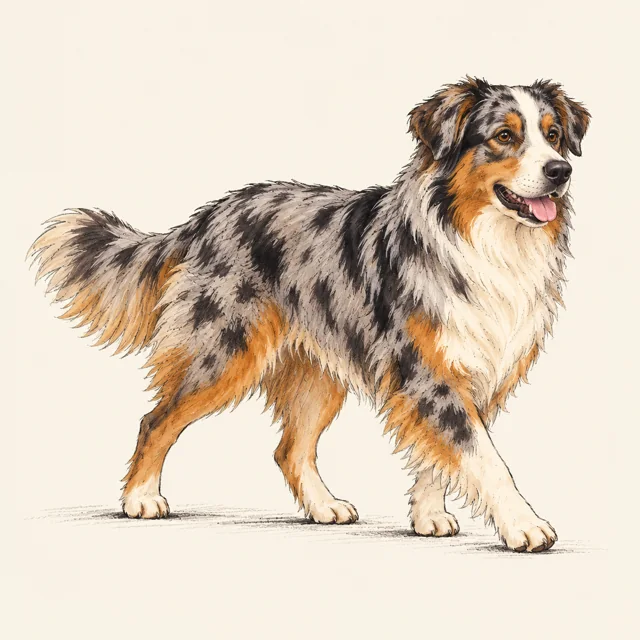
Despite its name, the Australian Shepherd developed on American ranches, with roots in dogs brought by Basque shepherds. Colourful coats and athletic movement have helped it win admirers far beyond livestock work. The beauty has a working foundation: this is a breed whose history makes shared activity an important part of its appeal.
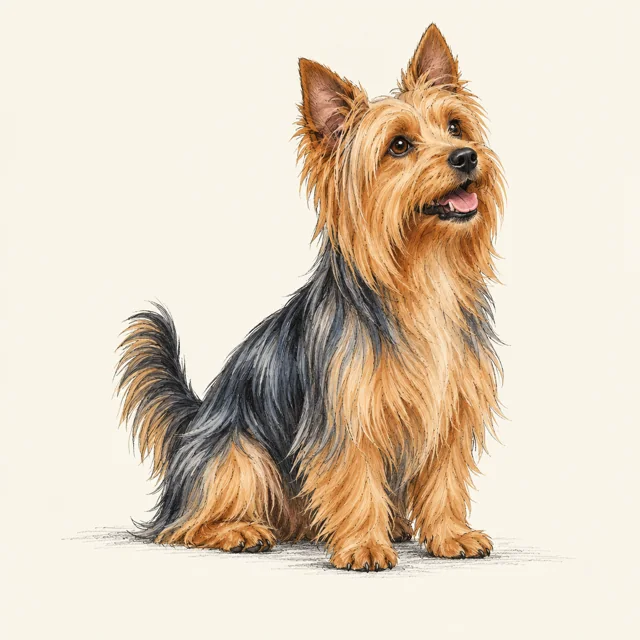
The Australian Silky Terrier combines Yorkshire Terrier ancestry with the spirit of the Australian Terrier. Once called the Sydney Silky, it owes its flowing coat to one side of the family and its alert bearing to the other. The result is a little dog with polished looks and a distinctly terrier backstory.
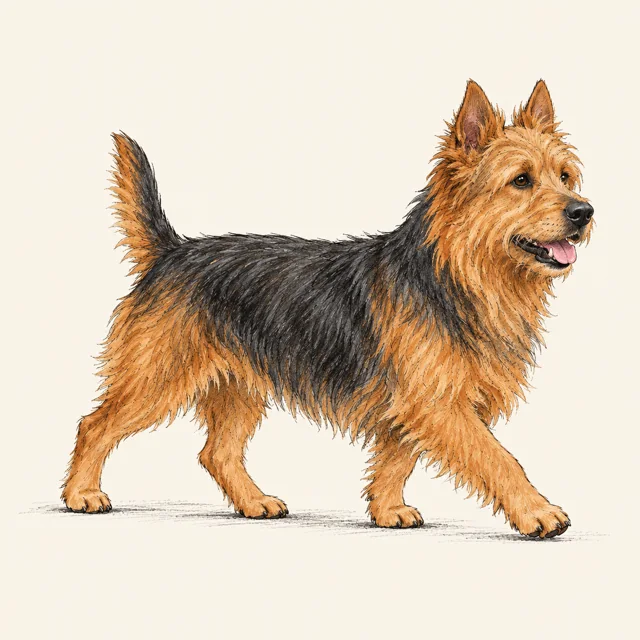
This small Australian terrier is thought to have grown from British terrier stock taken overseas by nineteenth-century settlers. Its original job was keeping rodents and other vermin in check. For admirers, the attraction is a straightforward, workmanlike little dog with a migration story woven into its ancestry, rather than a breed created simply for the drawing room.
The Azawakh’s exceptionally slender outline belongs to a sighthound from the Niger Basin’s Azawakh Valley. Dogs lived and hunted with nomadic Saharan communities, prized for speed and beauty. For admirers, its fascination is that finely drawn silhouette and desert history; the registry’s emphasis on sensitivity is an important part of understanding the individual behind it.
France’s Barbet is a bearded water dog whose thick coat protected it while retrieving from marshes and lakes. Once reduced in number by the World Wars, it later found renewed enthusiasts. Its appeal is delightfully rustic: curls and a furnished muzzle belong to a dog with mud-and-water work in its story, rather than mere decoration.
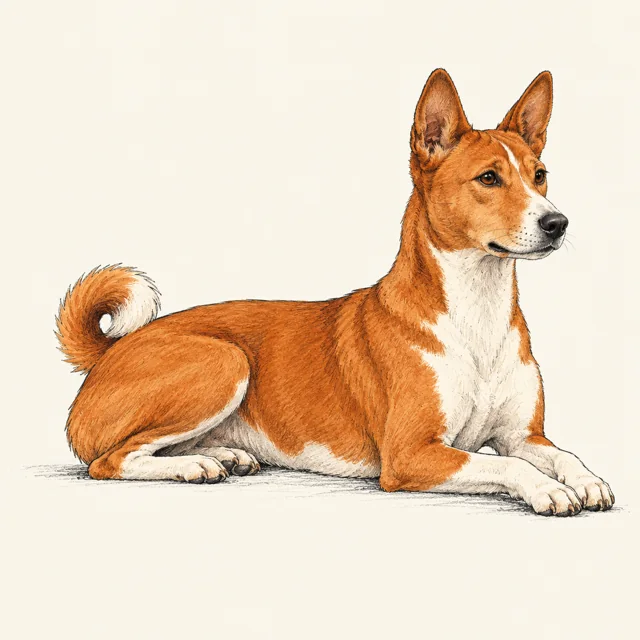
The Basenji pairs an elegant outline with an unusual voice: a yodel rather than a conventional bark. Dogs from the Congo region established the breed in Britain in the 1930s. Its hunting heritage, distinctive movement and reputation for careful cleanliness give this little hound an individuality that fascinates enthusiasts.
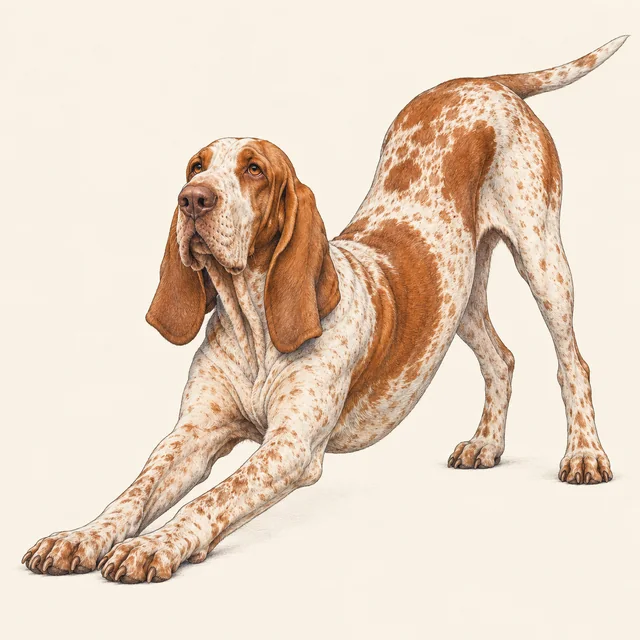
Blue-looking mottling and tan markings distinguish the Basset Bleu de Gascogne among France’s many hounds. This short-legged scent hound comes from the south-west, shaped for hunters travelling on foot. Its appeal combines a distinctive coat with a regional working tradition: an unhurried-looking silhouette carrying a serious hound history.
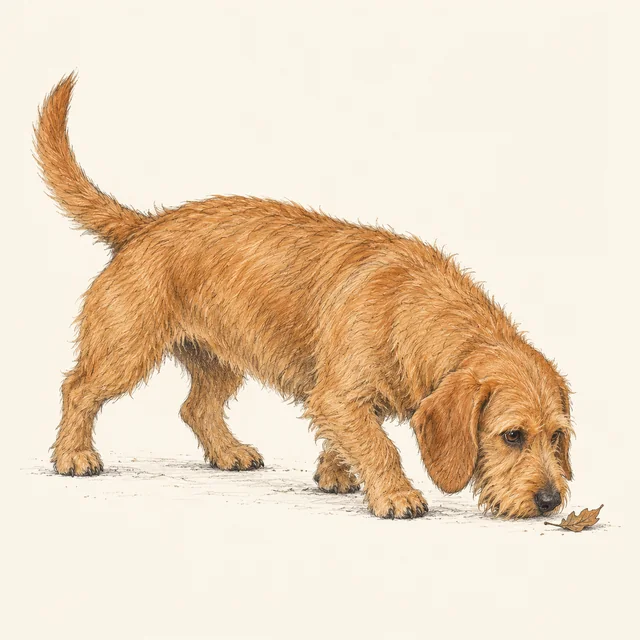
A rough, reddish-fawn coat gives this Brittany hound its warm, rustic appearance. The Basset Fauve de Bretagne developed for scent hunting in pairs and small packs. Its appeal is the unpolished charm of a working French hound: a compact dog whose looks make much more sense when you picture it following a trail.
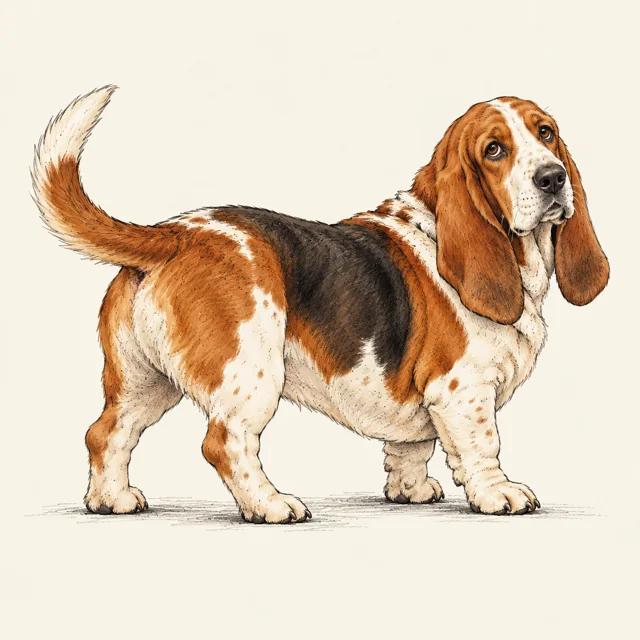
Long ears and a low silhouette make the Basset Hound instantly recognisable. French hounds provided the roots, but nineteenth-century English breeders helped shape the modern breed. Its appeal combines a wonderfully individual face with a serious scent-hound history; those features should remain moderate enough for comfortable, sound movement.
The Bavarian Mountain Hound was developed to follow wounded game over steep slopes. Its athletic build tells that German mountain story more clearly than any decorative flourish. For people drawn to purposeful hounds, the fascination lies in the connection between landscape, scenting work and the physical agility the job demanded.
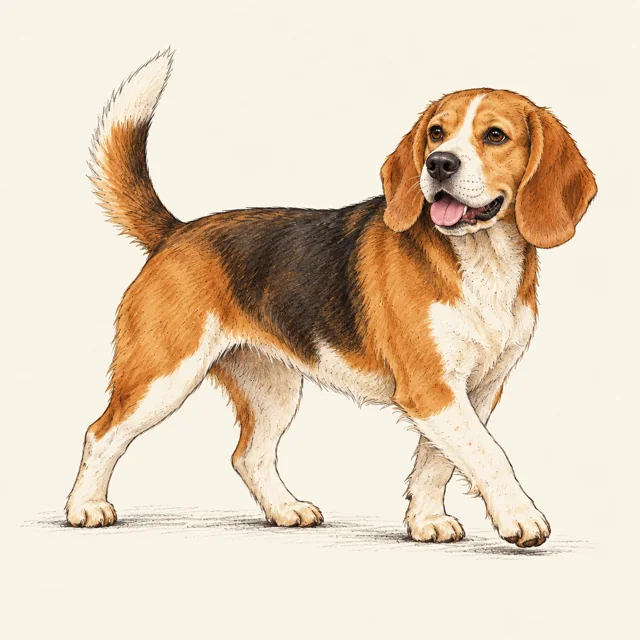
Britain’s small pack hound has a history of following game on foot, with stamina and scenting ability at the heart of its work. The Beagle’s musical voice and inquisitive character are part of its enduring appeal. That familiar face belongs to a genuine hound: an interesting smell may matter more than the planned route home.
The Beaglier brings together Beagle and Cavalier King Charles Spaniel ancestry, joining a pack-hound story with a royal companion-dog family. Purina places its deliberate development in 1990s Australia. Its appeal is the idea of a small, engaging companion, while the individual’s coat, character and interests cannot be read straight from that attractive combination of names.
Size
Small to medium (publisher guide)
Coat care
A brush about twice a week (page text; its summary says weekly)
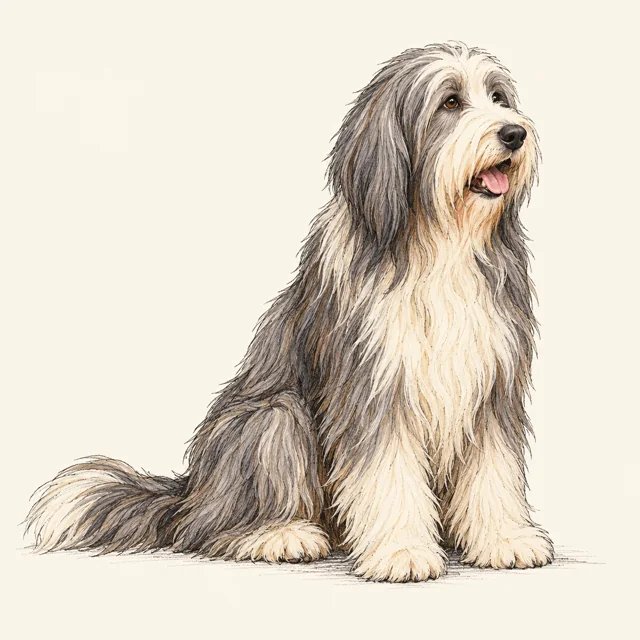
A shaggy coat frames a Scottish herding story in the Bearded Collie. Its modern revival owes much to Olive Willison, who unexpectedly received a Beardie puppy when she had asked for a Shetland Sheepdog. For admirers, this is a breed with both an appealingly tousled appearance and a wonderfully accidental chapter in its history.
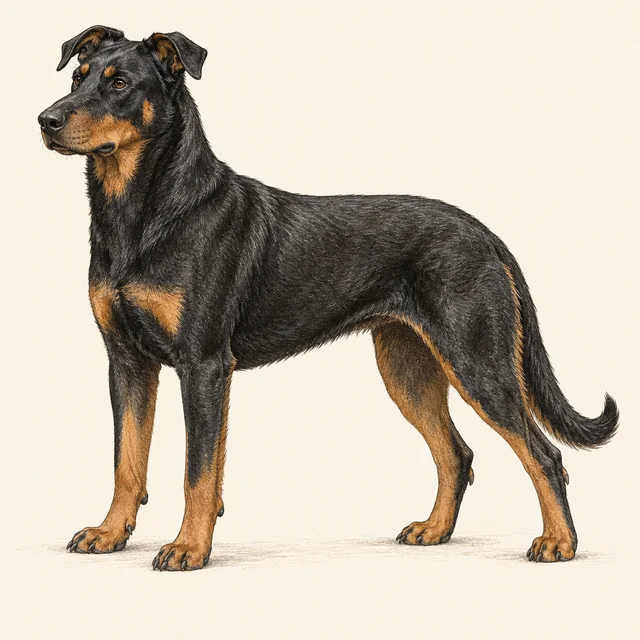
The Beauceron comes from the sheepdogs of France’s Beauce plains. Tan markings on its legs earned the nickname Bas Rouge, or red stockings. The Royal Kennel Club attributes Colette’s description “a country gentleman” to the breed—a lovely frame for its quiet, confident bearing, while remembering that each dog has its own character.
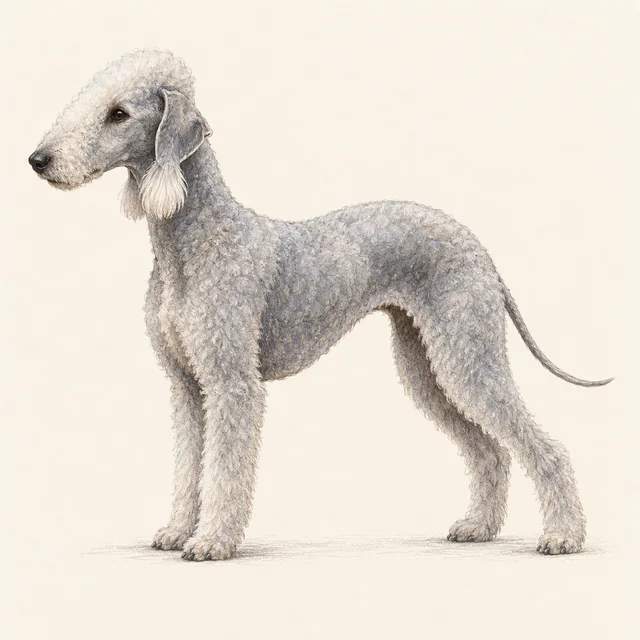
The Bedlington’s lamb-like outline hides a very different history: vermin hunting around a Northumberland mining town. Its arched back and distinctive coat make it one of the terrier family’s most unusual silhouettes. Admirers enjoy that visual paradox, but the soft appearance should never erase the working dog in its story.
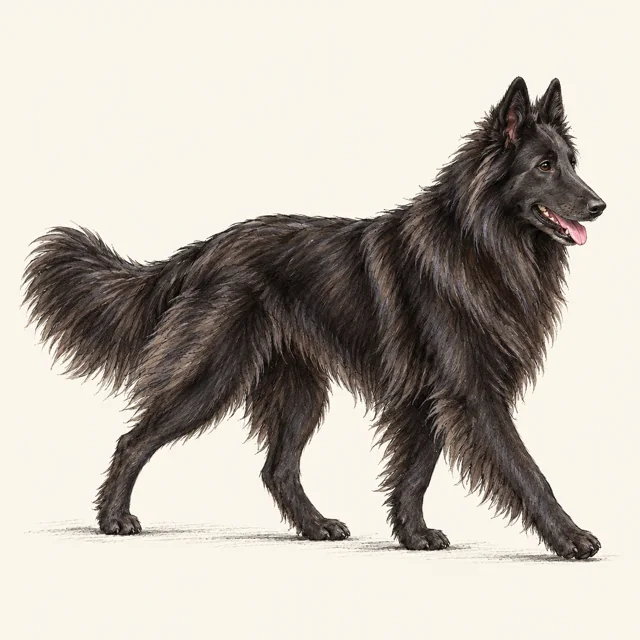
The Groenendael is the long-coated black variety of Belgian Shepherd. In 1891, veterinary professor Adolphe Reul helped classify the varieties that share this herding heritage. Its dark, elegant outline is only half the attraction; the other half is the athletic working history that links Belgian sheepdogs with both pastoral and service roles.
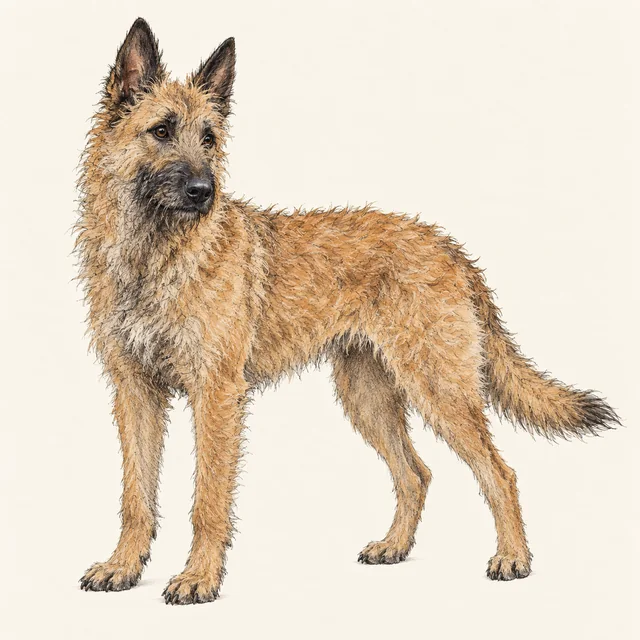
A rough, wiry coat sets the Laekenois apart from the other Belgian Shepherd varieties. Its name recalls the royal residence at Laeken, where Queen Marie Henriette favoured these dogs. For enthusiasts, that unusual texture and royal connection add interest to a breed whose deeper story is one of watchful, athletic herding work.
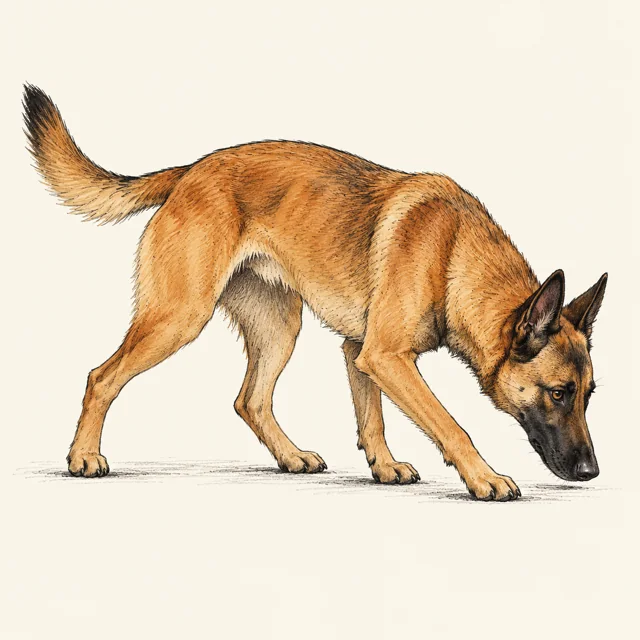
The Malinois is the short-coated Belgian Shepherd variety, sharing its roots with three differently coated relatives. Its lean, athletic appearance reflects a history of herding and demanding service work. Admirers are drawn to the sense of purpose in its outline; understanding that appetite for work matters more than admiring the silhouette alone.
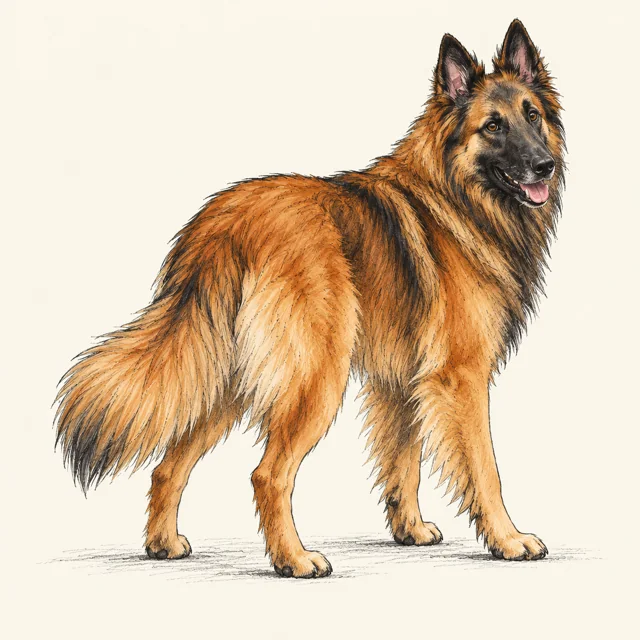
The Tervueren’s long coat, often with a dark mask and overlay, brings richness to the Belgian Shepherd’s athletic outline. Professor Adolphe Reul’s nineteenth-century classification helped define the varieties. This is a particularly striking expression of the same working heritage: beauty and a serious history of herding belong together in its portrait.
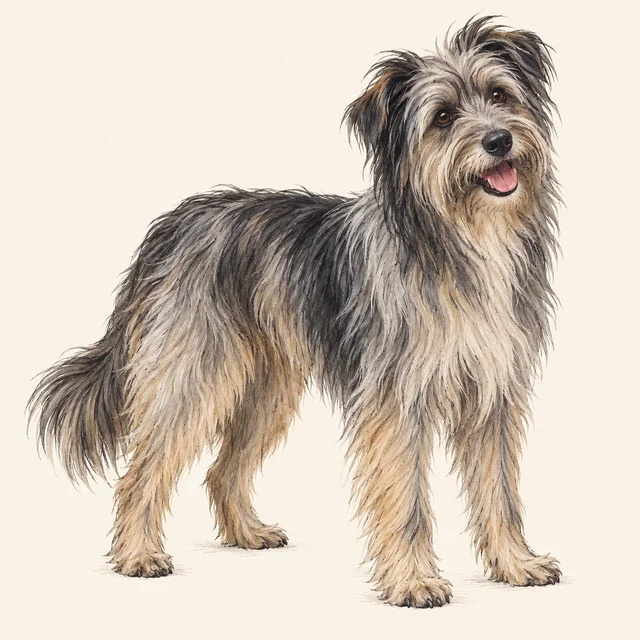
The Bergamasco’s naturally matted coat is an extraordinary sight, but it began as insulation for an Italian Alpine sheepdog. Named for Bergamo, the breed worked with flocks in demanding mountain conditions. Admirers enjoy a dog whose appearance seems almost sculptural; understanding how that unusual coat functions is part of appreciating it properly.
The Bernedoodle joins the Swiss Bernese Mountain Dog with a Poodle, often the Standard variety. Its appeal is easy to picture: a substantial companion with the possibility of a richly coloured, textured coat. The actual result varies, however; neither predictable appearance nor better health follows automatically from bringing two distinctive breed histories together.
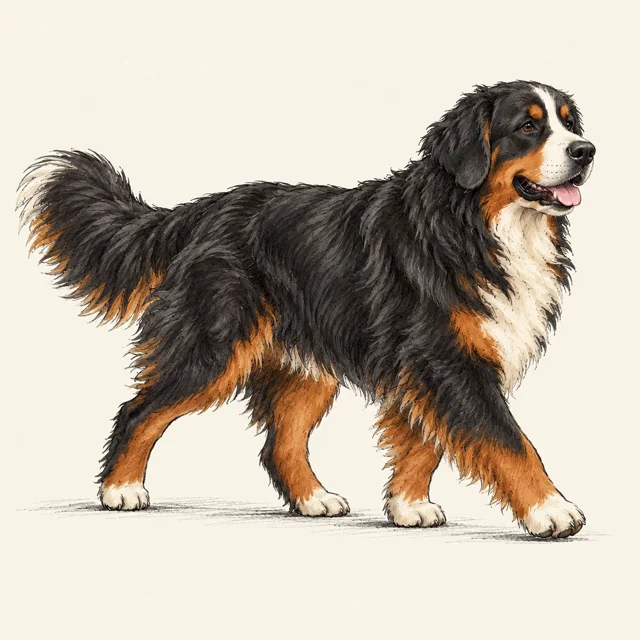
The Bernese Mountain Dog’s black, tan and white coat belongs to a Swiss farm worker, named for the canton of Berne. Its ancestors pulled carts as well as helping with livestock. The picture of a Bernese drawing a light cart in a Swiss parade captures its appeal: impressive size, handsome markings and a tangible connection with rural life.
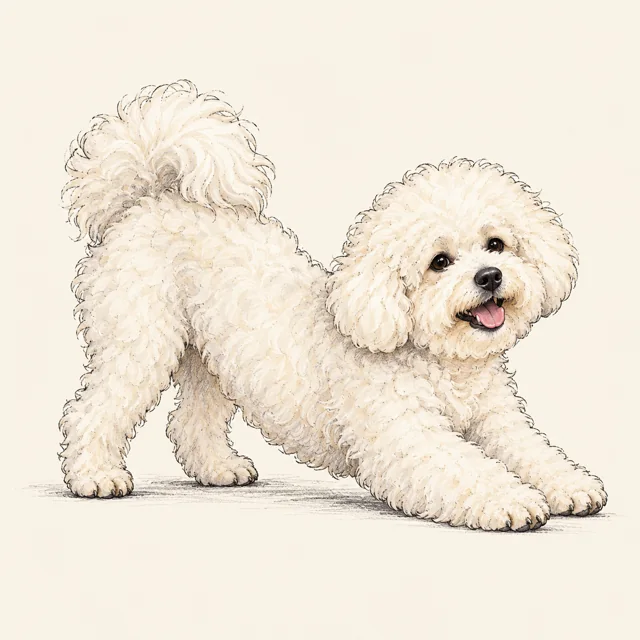
Soft curls give the Bichon Frise the look of a small cloud with a face. Its story reaches through Mediterranean trade and fashionable European households, with France shaping the modern breed. For admirers, the pleasure is in that bright, decorative appearance and its long history as a cherished companion rather than a working farm dog.
The Black and Tan Coonhound carries a North American story of following raccoons by scent and signalling when they reached a tree. Its ancestry includes hounds brought from Europe, with other hunting breeds contributing over time. For enthusiasts, the attraction is a distinctive branch of the scent-hound family with a thoroughly American working identity.
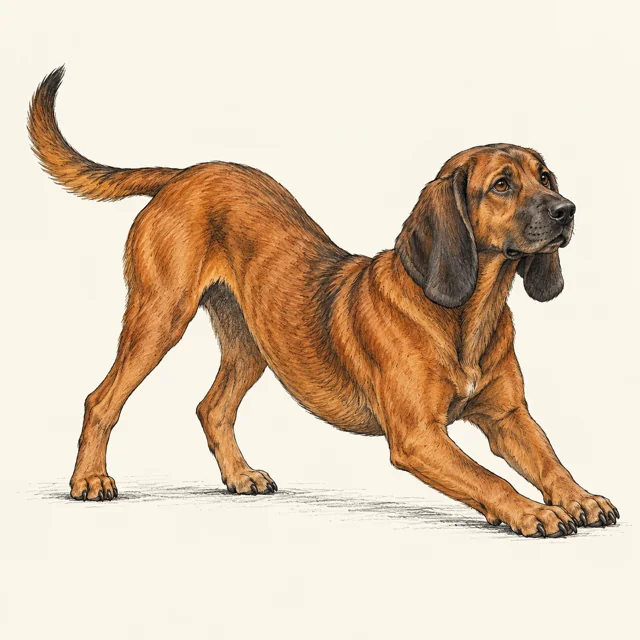
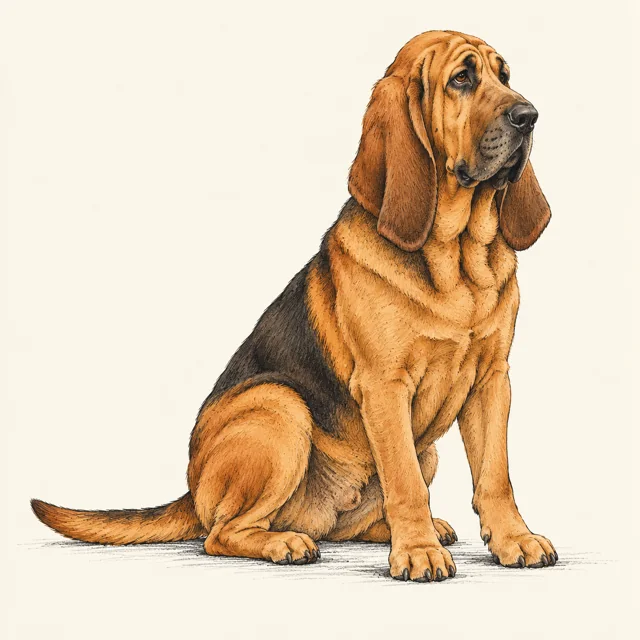
The Bloodhound’s solemn face belongs to a scent specialist with deep British history and possible roots in Belgium’s St Hubert hounds. Once called the sleuth-hound in Scotland, it followed both game and people. Its appeal is wonderfully distinctive: a dog whose extraordinary historical purpose is written into its whole appearance.
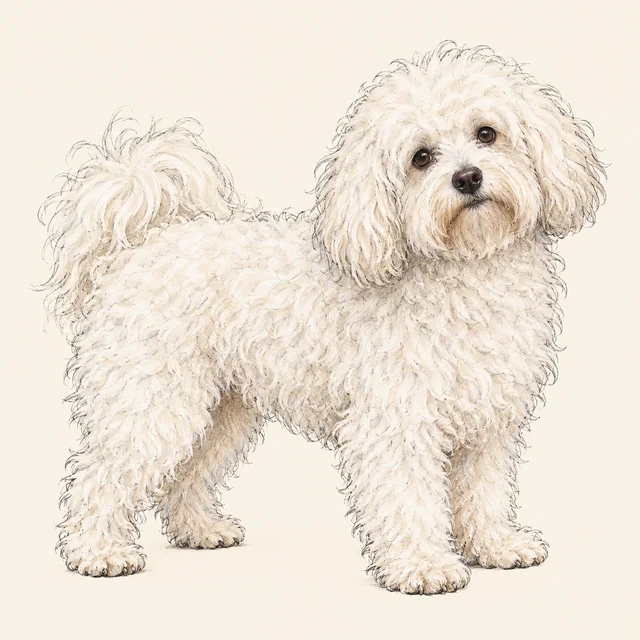
Named for Bologna in northern Italy, the Bolognese belongs to the small white companion-dog family of the Mediterranean. Its flocked coat is traditionally shown naturally rather than sculpted. Dark features against that white hair create much of its visual charm: a little dog whose history belongs as much to fashionable homes as to the show ring.
The Borador links the Border Collie’s herding story with the Labrador’s retrieving tradition. That combination attracts people who enjoy the idea of an active partnership with a dog. It is a modern cross rather than a fixed historical breed, so enthusiasm for the names should lead to learning about this individual’s real interests, routine and behaviour.
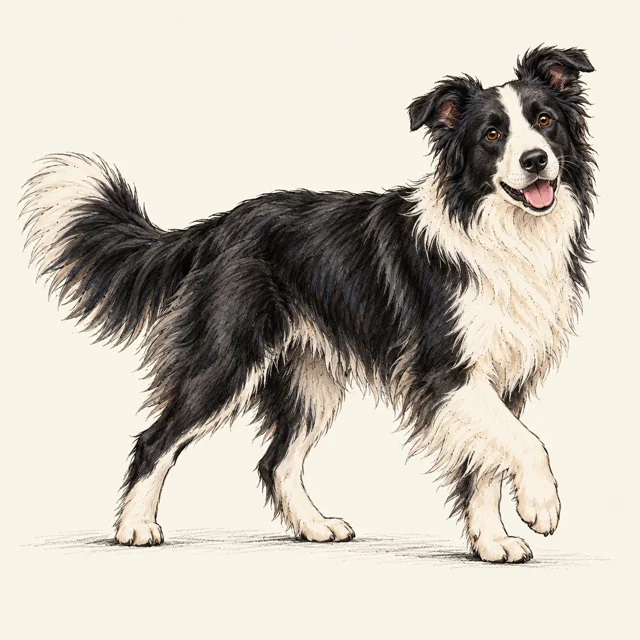
The Border Collie’s story begins with livestock work in Britain’s border country. Its quick movement and intense attention make sense when seen beside sheep, and that working intelligence has carried it into agility and other disciplines. Admirers love the feeling of a dog wholly engaged in a task; a fulfilling everyday outlet remains part of the picture.
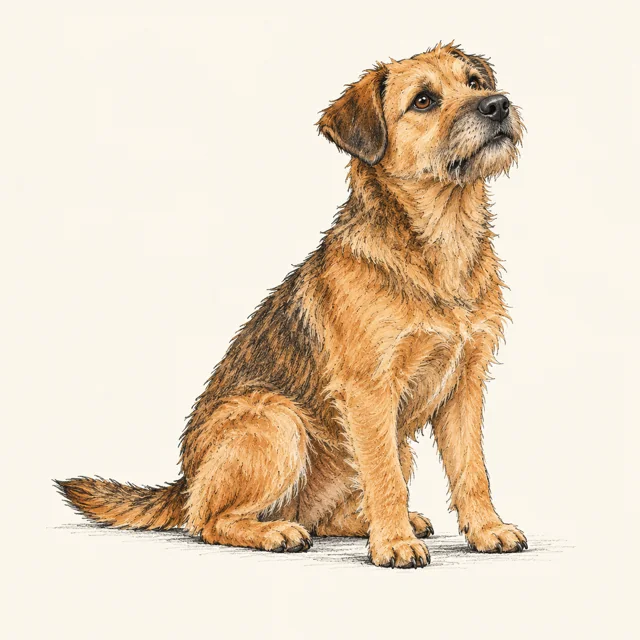
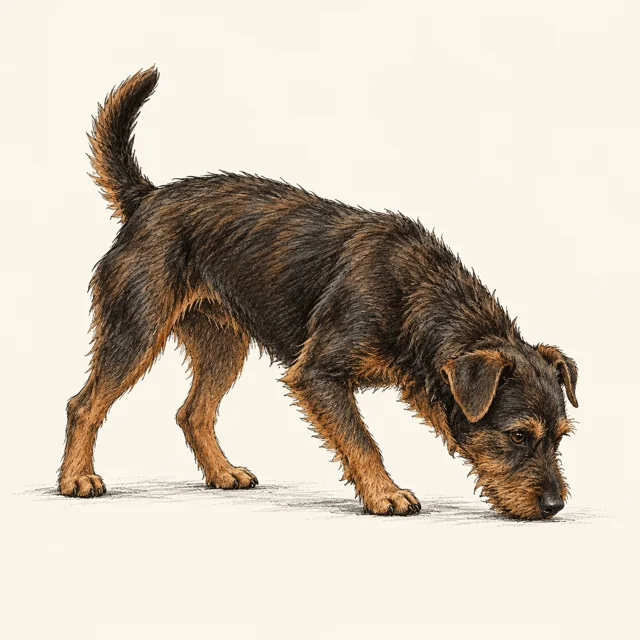
A working terrier from the Northumberland–Scottish border, the Border Terrier once accompanied the Border Foxhounds. Earlier local names included Reedwater and Coquetdale Terrier. Its appeal lies in its unshowy character and that strong regional identity: a small dog with a country history that still matters when considering life in a modern home.
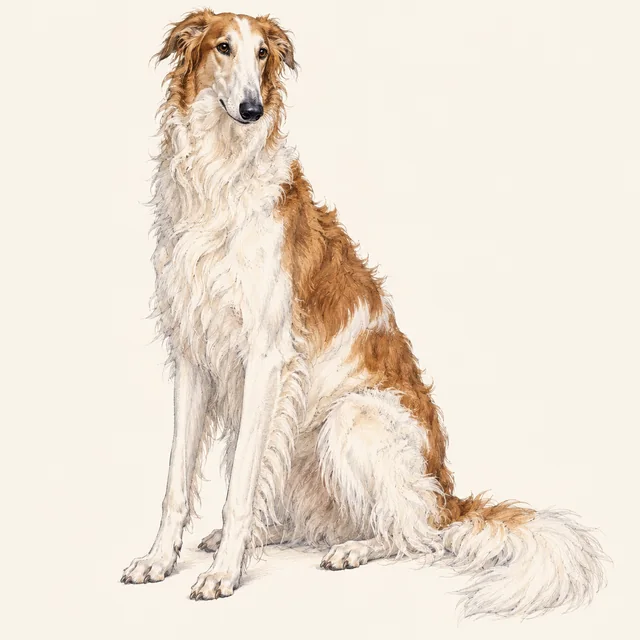
Long curves, a lean head and a luxurious coat give the Borzoi its memorable elegance. This Russian sighthound belonged to aristocratic hunting traditions, and its name means “swift”. For admirers, the attraction is almost sculptural: a striking outline with a history of speed beneath the flowing hair.
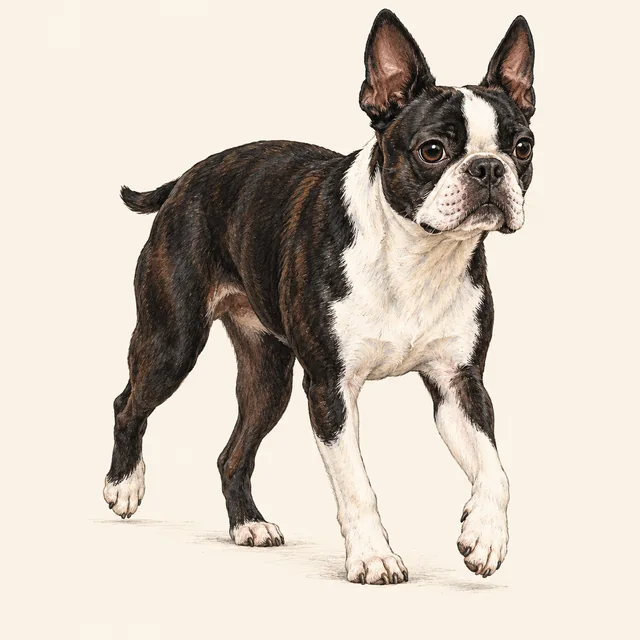
The Boston Terrier’s neat white markings give it a dressed-for-dinner appearance. Developed in Boston from bull-and-terrier ancestry, the breed’s first club admitted only local members. That very American beginning adds to its charm: a little dog whose distinctive outfit and city name make it unusually easy to remember.
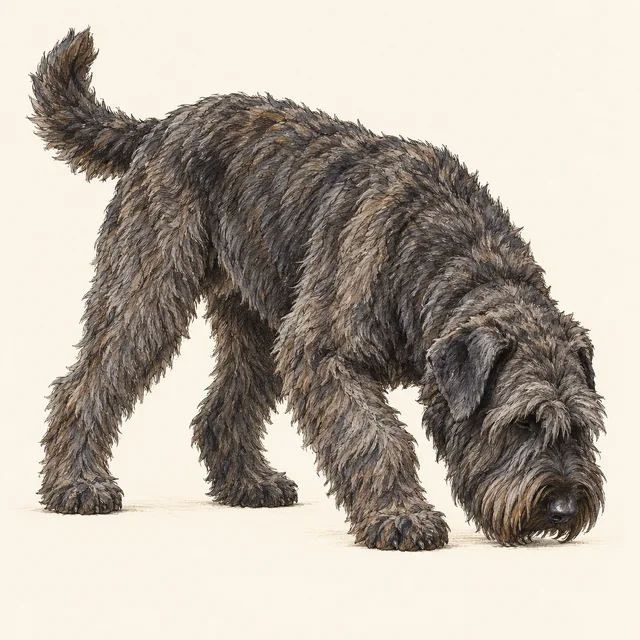
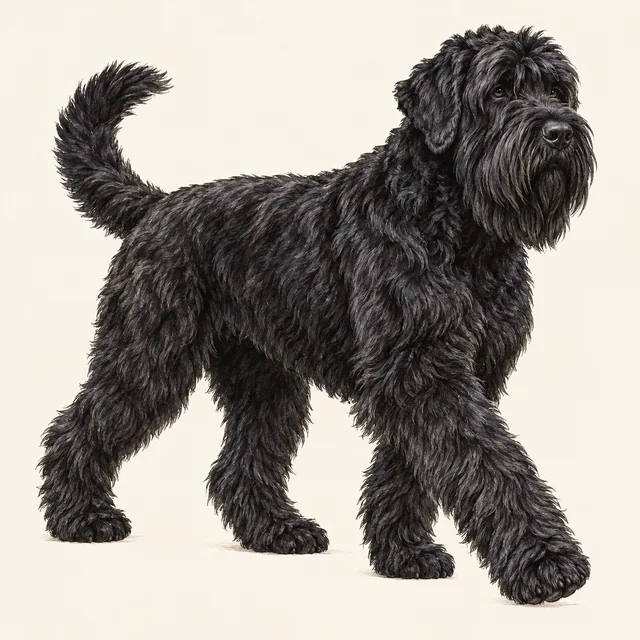
The Bouvier’s substantial, rough-coated appearance reflects its original work moving cattle in France and Belgium. A Belgian army veterinarian helped preserve the breed after the First World War. Its appeal is rooted in that resilient working identity: a dog with a history that includes hauling, tracking and service as well as the farmyard.
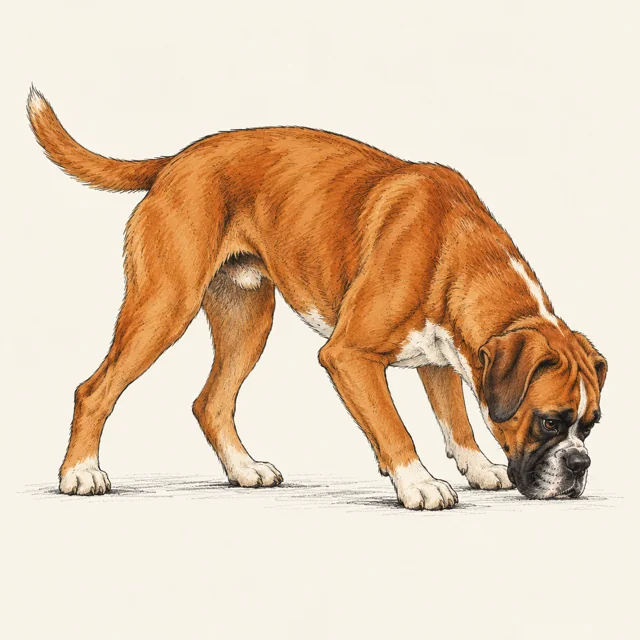
The Boxer’s glossy outline and expressive head belong to a German working breed descended from the Bullenbeisser. Its history includes tracking and military messenger work, alongside its later life as a companion. Admirers are drawn to the combination of physical elegance and engaging character described by the registry—a personality to discover in the individual dog.
Italy’s Bracco brings a glossy coat and distinctive movement to the pointing-dog family. Known in its homeland as the Italian Pointer, it combines the history of continental hunting dogs with an unmistakable outline. For enthusiasts, the pleasure is in watching a purposeful sporting dog move with the style that also won it show-ring admirers.
Black mottling on white gives the Braque d’Auvergne a blue-looking coat, set against a predominantly dark head. This French gundog comes from mountainous Cantal in Auvergne. Its appeal is a handsome regional identity backed by versatile field work: a sporting breed introduced to Britain by enthusiasts who valued its working abilities.
The Braque du Bourbonnais belongs to an old French pointing tradition, named for its home region. It declined when breeding fashion displaced working priorities, then benefited from dedicated revival efforts. Admirers are drawn to that combination of regional heritage and survival: a sporting dog preserved for the useful qualities that originally gave it a place beside people.
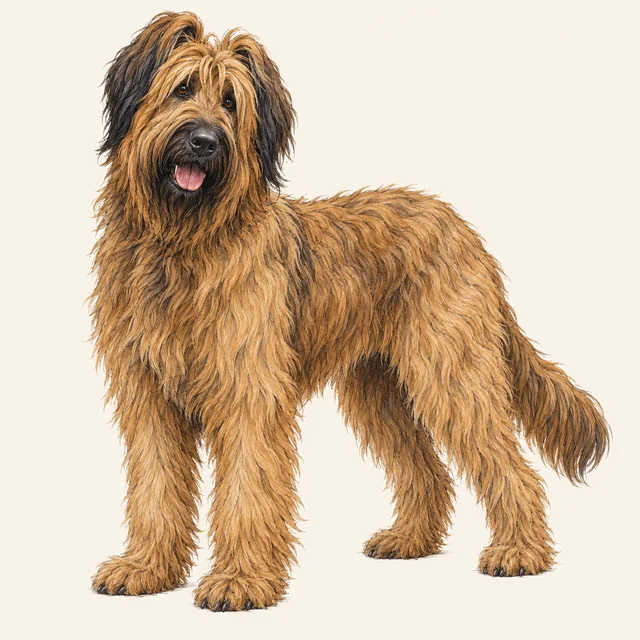
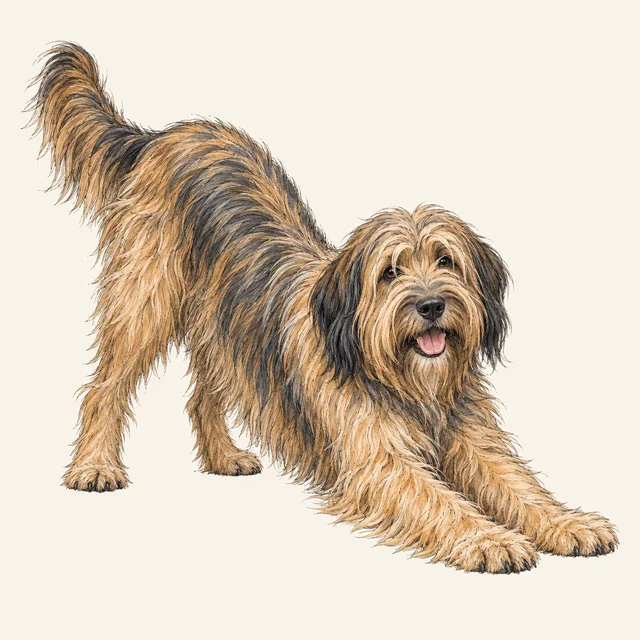
A long coat gives the Briard a wonderfully shaggy presence, but its roots lie in herding and guarding around Brie in France. French forces also used these dogs in wartime search parties. Its appeal is the meeting of an extravagant silhouette with a very practical past: a sheepdog whose story reaches beyond the pasture.
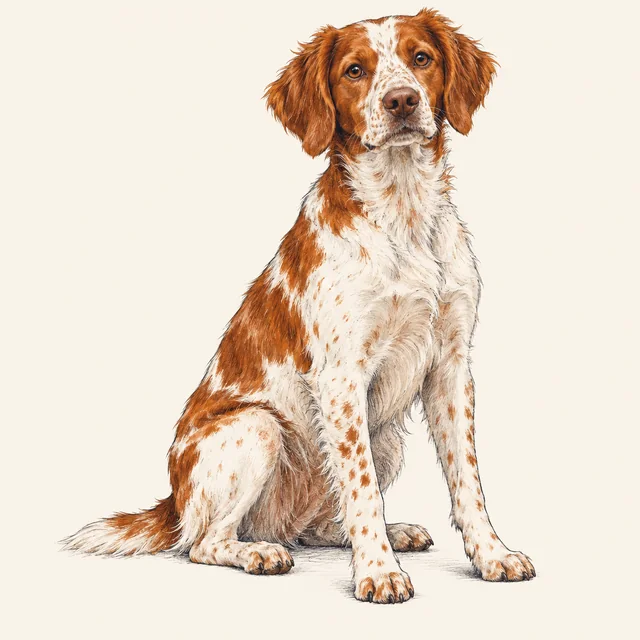
The Brittany grew from northern French spaniel stock, with setter and pointer ancestry contributing to its hunting work. Its name once included “Spaniel”, but the shorter title reflects a dog able to point and retrieve as well as flush. The attraction is a compact sporting companion with a remarkably versatile regional history.
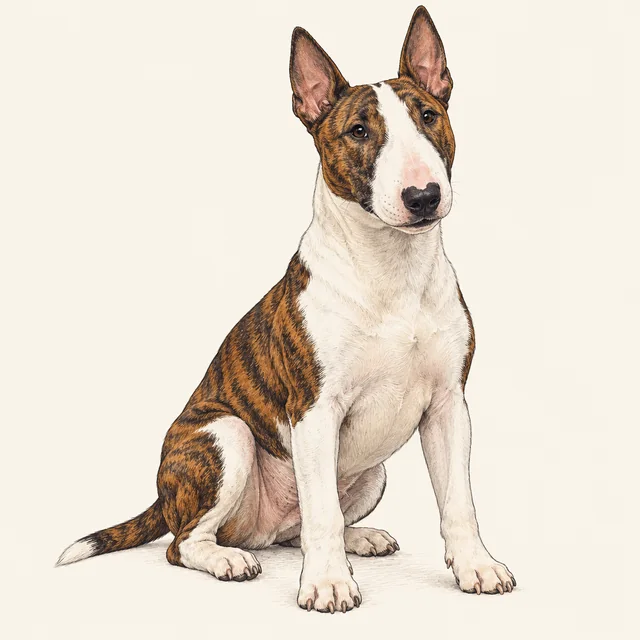
The Bull Terrier’s modern story took shape in nineteenth-century Birmingham, where breeder James Hinks helped establish its type. Its ancestry includes Bulldogs and terriers, with a history that also includes blood sports. For enthusiasts, its unmistakable individuality is the draw; understanding that history should accompany appreciation of the breed’s distinctive appearance.
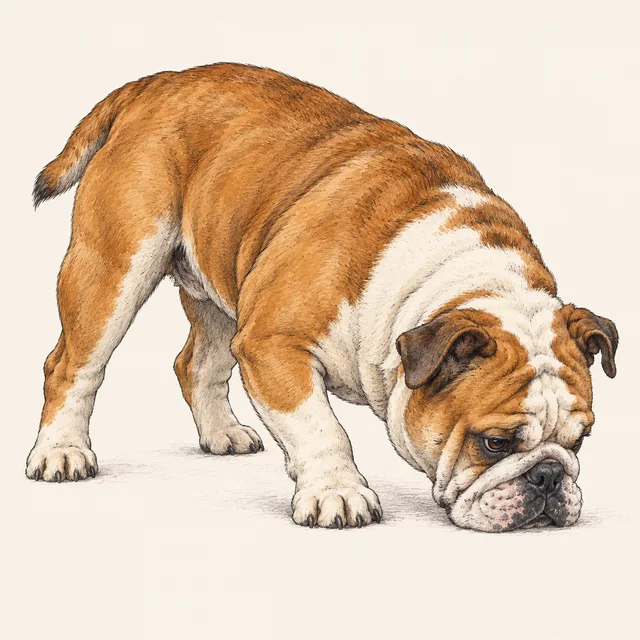
The Bulldog carries a recognisably British identity, but its history began in the cruelty of bull baiting. After the practice was banned, companion dogs helped keep the breed alive. Admirers value the character and loyalty described by the registry; a responsible modern portrait must also put comfortable breathing, sound movement and moderate features ahead of exaggeration.
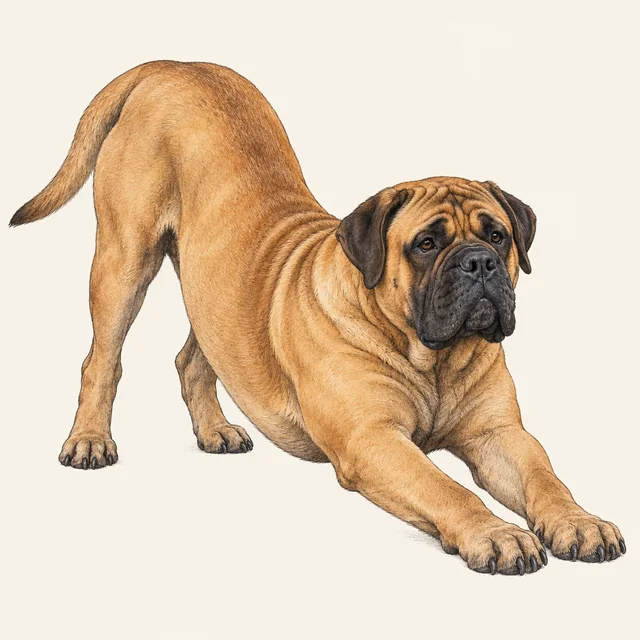
The Bullmastiff began as a nineteenth-century English gamekeeper’s dog, combining Bulldog and Mastiff ancestry to deter poachers. Early keepers favoured brindle coats for night-time camouflage. Its appeal lies in an imposing outline with a clearly defined past: a dog whose size and strength once served a particular job on the estate.
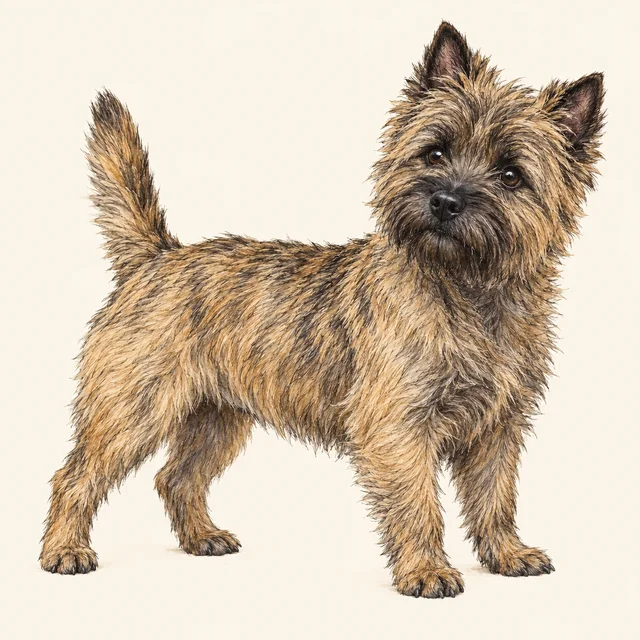
The Cairn’s rough-coated appearance belongs to Scotland’s Western Highlands and Isle of Skye. Its name recalls the small heaps of stone where vermin might shelter. For lovers of terriers, the attraction is that sturdy, weathered identity: a little dog whose outline remains closely connected with the landscape and work that shaped it.
Israel’s national breed, the Canaan Dog developed from free-living dogs of the Middle East through a breeding programme begun in the 1930s. Its history later included military and Red Cross work. The appeal is the sense of a regional dog becoming an established breed, with an identity that reaches beyond the familiar European companion-dog story.
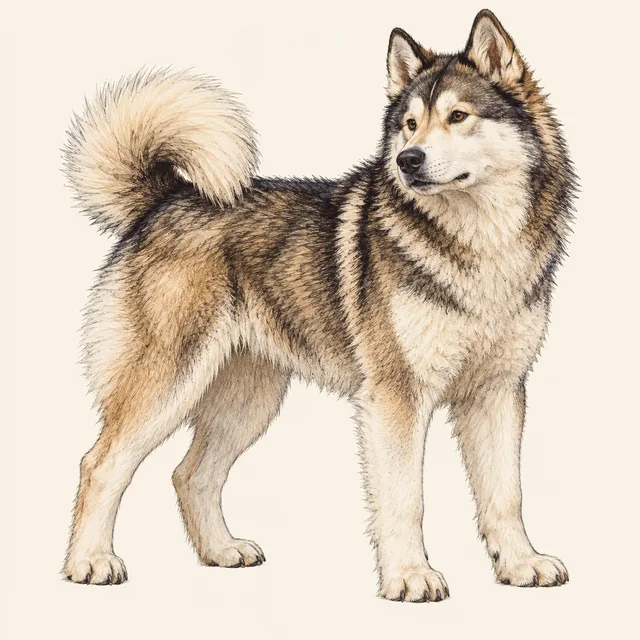
This powerful sled dog belongs to the Canadian Arctic, built for sustained hauling rather than racing speed. Snowmobiles and changes in sledding threatened its survival, prompting conservation efforts. Admirers see more than a handsome northern dog: the breed carries a working history closely tied to people, transport and life in an extreme landscape.
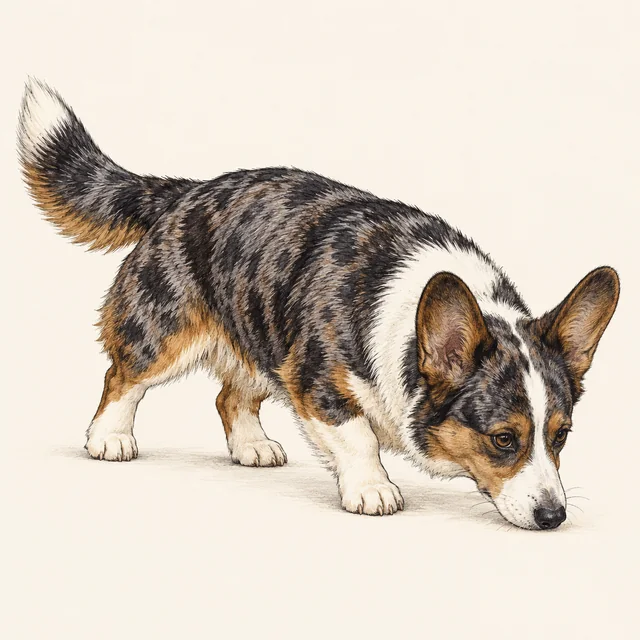
The Cardigan’s long body and full tail belong to an old Welsh cattle-driving dog. Once nicknamed the “yard dog” for its nose-to-tail length, it became a separate registered breed from the Pembroke in 1934. Its appeal combines a distinctive low silhouette with a surprisingly substantial farming history.
Known in its homeland as the Gos d’atura Català, this sheepdog comes from north-eastern Spain and the Pyrenees. The registry describes a breed still used to herd and guard flocks there. For admirers, the attraction is that living regional connection: a pastoral dog whose history continues in the landscape that helped shape it.
The Cavachon combines a Cavalier King Charles Spaniel with a Bichon Frise, bringing together two very different companion-dog histories. Purina places the cross’s modern development in North America. Its appeal is a small companion with varied coat possibilities; the charm lies in the dog you meet, rather than a promise to reproduce the best of both parents.
Size
Small (publisher guide)
Coat care
A daily brush keeps mats away; the coat varies (publisher guide)
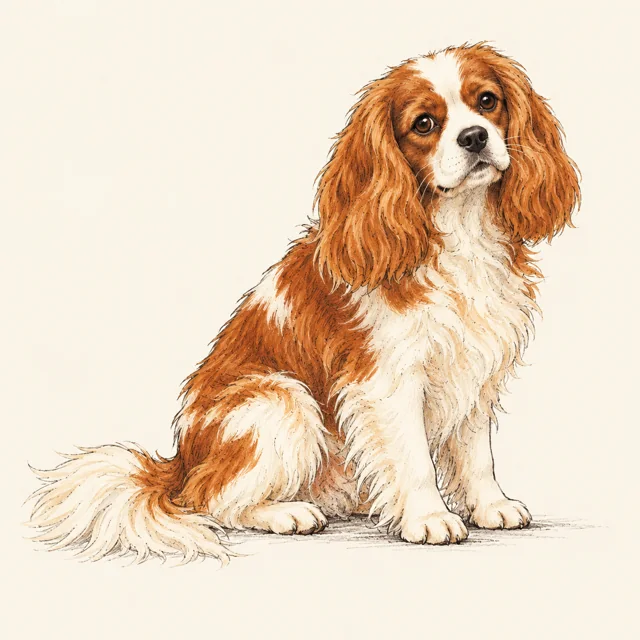
The Cavalier’s story reaches back to the toy spaniels cherished at the courts of Charles I and Charles II. Its Blenheim colour recalls the estate where the Duke of Marlborough kept chestnut-and-white spaniels. Those royal connections lend romance to its portrait, while the modern breed deserves equally thoughtful attention to heart screening and other health checks.
The Cavapoo brings Cavalier King Charles Spaniel and Poodle ancestry into a small companion cross. Its modern origin story includes several countries rather than one settled birthplace. The appeal is the prospect of an engaging, characterful companion; coat and personality remain individual, and the affectionate reputation is no substitute for meeting the dog.
Playful editorial favourite: simply the most lovable dog in the world
Size
Small to medium-small (publisher guide)
Coat care
Brushed to the skin several times a week (publisher guide)
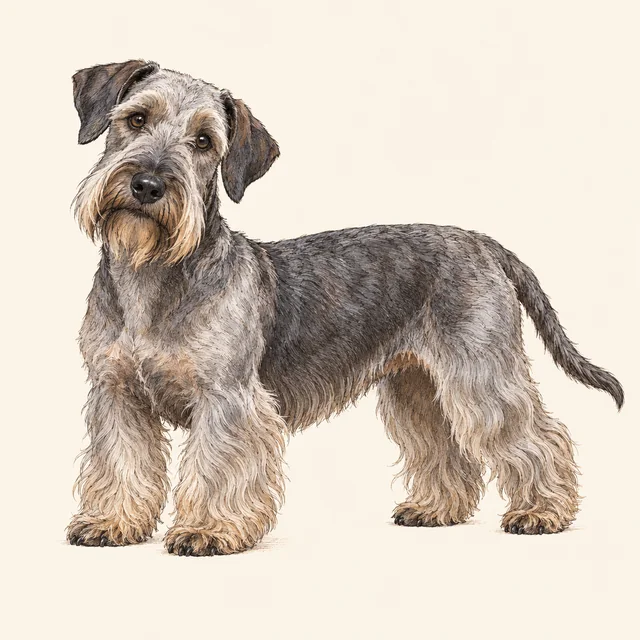
The Cesky Terrier is a Czech creation by geneticist František Horák, who crossed Scottish and Sealyham terriers in the late 1940s. Its clipped coat distinguishes it from many hand-stripped terriers. For enthusiasts, its appeal includes both an unusual appearance and a breed history with a clearly named architect rather than a misty origin legend.
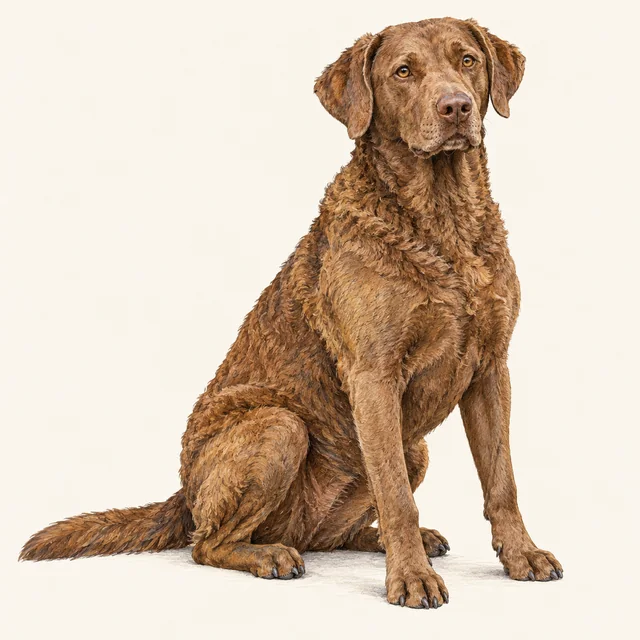
The Chesapeake Bay Retriever’s muted coat colours recall sedge and dry grass along the American coast. Its dense undercoat and oily outer coat supported retrieving in cold water. Admirers are drawn to a rugged sporting dog whose appearance serves a purpose: the working landscape is present in both its colour and its construction.
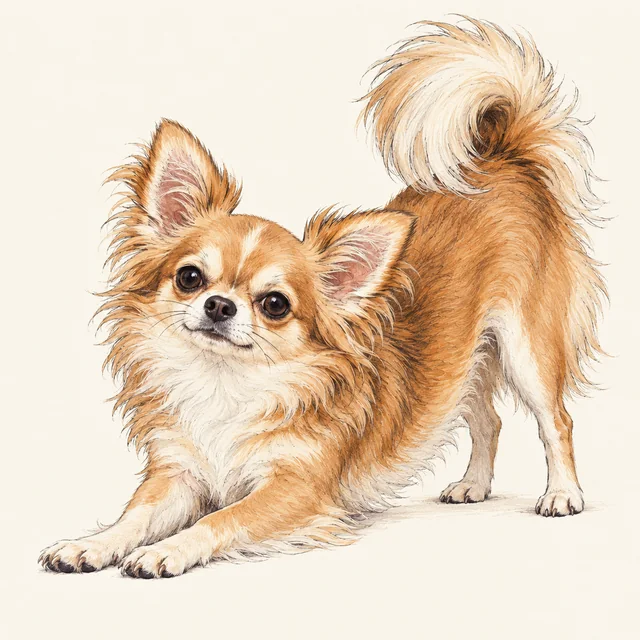
The Long Coat Chihuahua wears the tiny Mexican breed’s familiar outline with a softer finish. Its name recalls the state where it became fashionable in the nineteenth century, before celebrity owners helped spread its fame. Admirers enjoy the contrast between little size and the bold character described by the registry; the coat distinguishes a variety, not a guaranteed personality.
The Smooth Coat Chihuahua’s neat finish puts its tiny outline and expressive face centre stage. Named for a Mexican state, the breed’s popularity travelled into America and beyond. Its appeal is a wonderfully concentrated presence: the registry describes confidence and character in a very small frame, while every actual dog still brings its own temperament.
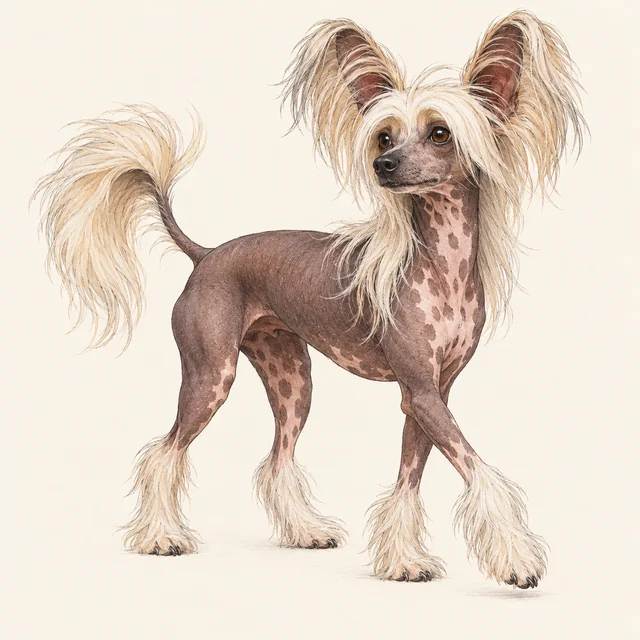
The Chinese Crested offers two strikingly different looks: the hairless variety, with crest, socks and tail plume, and the fully coated Powder Puff. The registry traces Chinese connections far into the past, though early breed histories deserve caution. Its immediate charm lies in that unusual contrast within a single breed.
The Chiweenie joins the tiny Mexican Chihuahua with Germany’s low-bodied Dachshund. Purina links its deliberate modern development to North America in the late 1990s. Admirers enjoy the unexpected meeting of those two familiar outlines, while the actual shape, coat and character vary; a cross’s catchy name is the beginning of its story, not the whole portrait.
The Chorkie brings Yorkshire Terrier and Chihuahua ancestry together, connecting industrial Yorkshire with a Mexican companion-dog story. Purina suggests a modern American origin, rather than a securely documented first breeder. Its appeal is concentrated small-dog character, but the individual’s coat and temperament deserve discovery rather than assumptions drawn from either parent’s reputation.
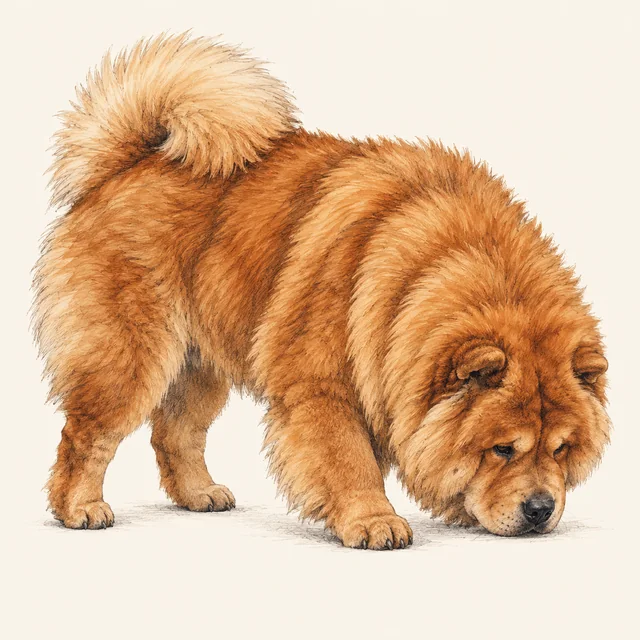
A mane-like coat and dark tongue give the Chow Chow a distinctive presence. Its Chinese history includes guarding and hunting, while nineteenth-century imports introduced it to Britain. Admirers are drawn to its almost leonine outline; this is a breed whose visual identity is unusually strong, and whose long history deserves more than a teddy-bear description.
The Chug combines Chihuahua and Pug ancestry in a modern cross that Purina associates with the United States. Its appeal is an expressive little companion with two distinctive breed stories behind it. Appearance varies, and crossing does not promise easier breathing or fewer inherited conditions; the actual dog’s health and character are what bring the portrait into focus.
The Cirneco dell’Etna comes from Sicily, where it hunted rabbits around the volcano that gives it its name. Its elegant outline belongs to an athletic dog using scent, sight and hearing. For admirers, the appeal is Mediterranean and purposeful: a fine-looking hound with a close connection to a particular island landscape.
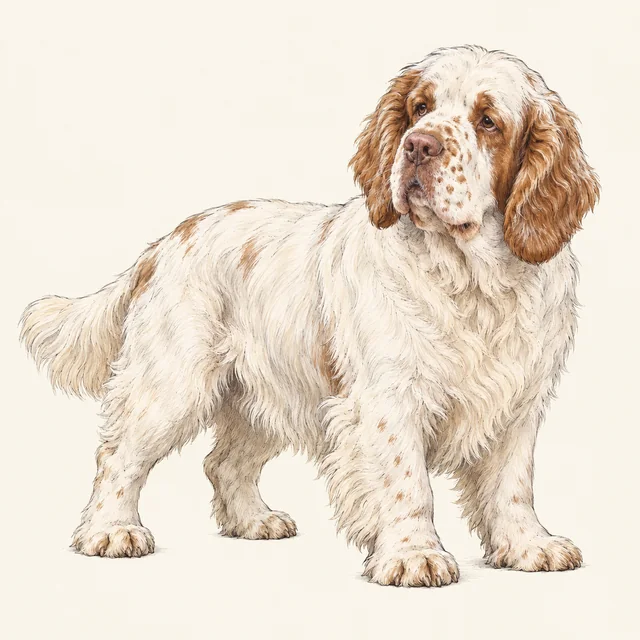
The Clumber takes its name from Clumber Park in Nottinghamshire and is the heaviest spaniel. Francis Wheatley’s 1788 painting “Return from Shooting” shows dogs the registry identifies as Clumber type. Its appeal comes with that country-house history: a substantial sporting dog with a place in both the field and the picture gallery.
The Cockalier brings together Cocker and Cavalier King Charles Spaniels, joining sporting-spaniel and royal toy-spaniel traditions. Both names carry long relationships with people, which helps explain the attraction of the cross. Its coat and character can vary, so the most engaging part of its story is still the particular spaniel-cross companion you meet.
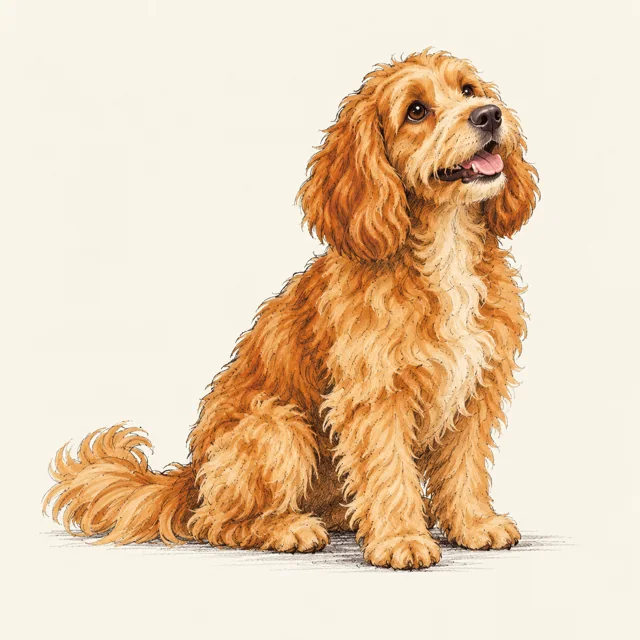
The Cockapoo’s spaniel-and-Poodle ancestry gives it a story that reaches from British sporting dogs to German water retrievers. Purina traces the modern cross to the United States in the 1960s. Admirers enjoy the idea of a lively, involved companion with a characterful coat, while the real dog’s size, hair and personality remain delightfully individual.
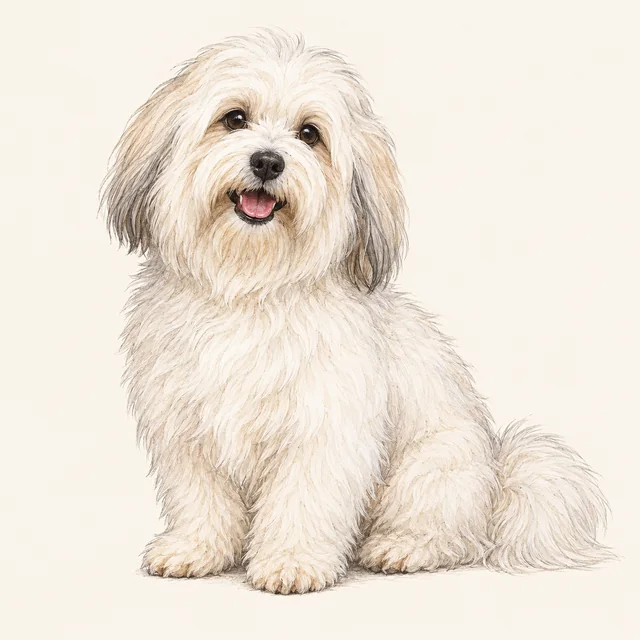
The Coton de Tulear is associated with Madagascar, and “Coton” points to the texture of its coat. Its arched outline and soft appearance make it a distinctive member of the small companion-dog world. For admirers, part of the pleasure is discovering a breed whose story leads away from Europe’s usual aristocratic drawing rooms.
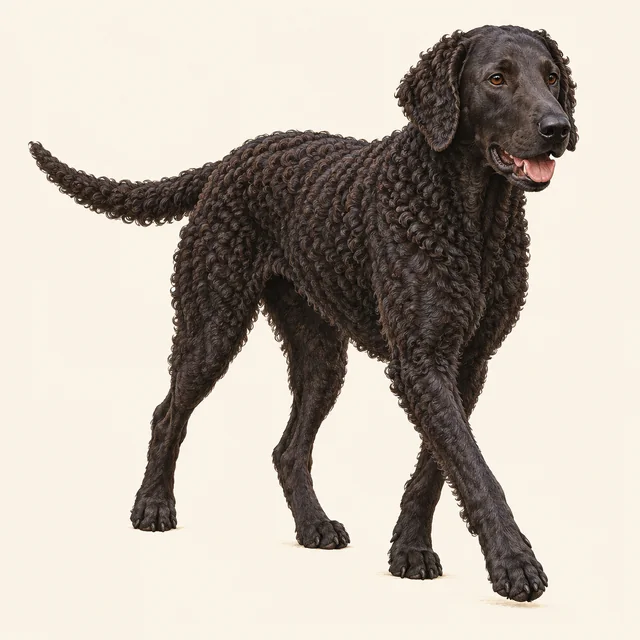
Tight curls make this retriever instantly recognisable. Its British development is associated with water-dog ancestry, including the now-extinct English Water Spaniel, and a coat suited to retrieving from water. Admirers enjoy that practical beauty: an athletic sporting outline wearing a texture that tells its own part of the breed’s history.
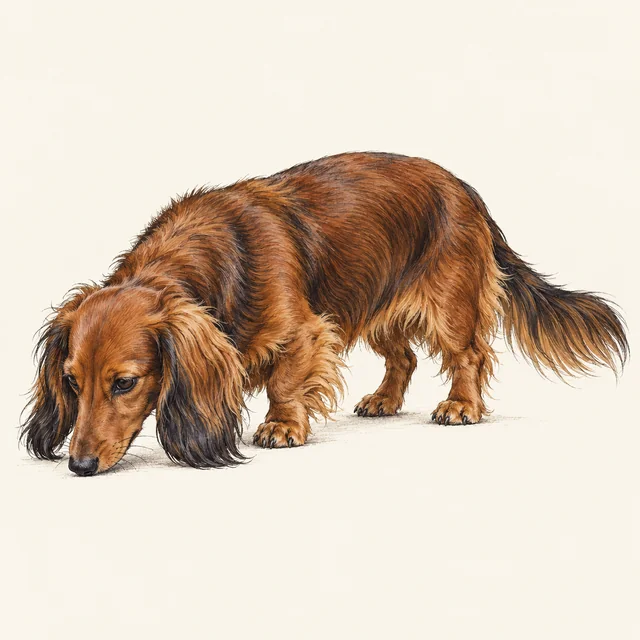
The Long Haired Dachshund adds a flowing coat to Germany’s unmistakable low-bodied hunting dog. Known there as the Teckel, its history includes following game and working underground. For admirers, the attraction is the contrast between graceful hair and purposeful construction: this is a coat variety of a working breed, not a different historical character.
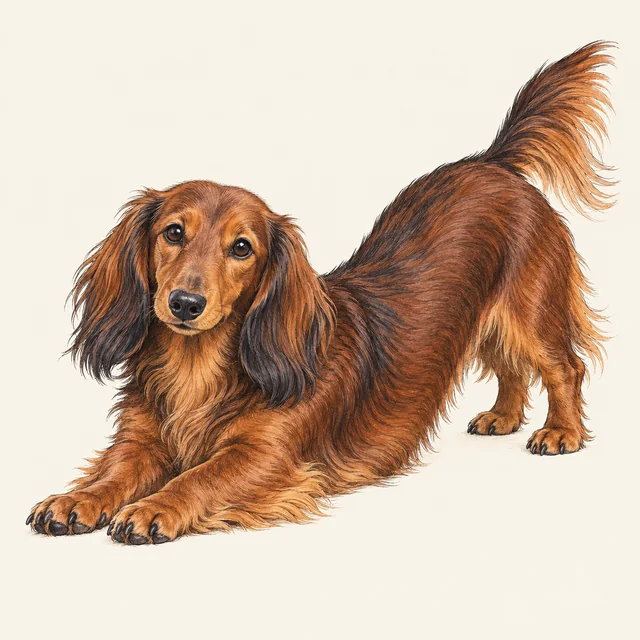
A small frame and flowing coat give the Miniature Long Haired Dachshund a particularly decorative silhouette. Its roots remain those of Germany’s Teckel, a hunting dog whose shape served work close to and beneath the ground. The appeal is intimate in scale, but the story behind that outline is much larger than its size.
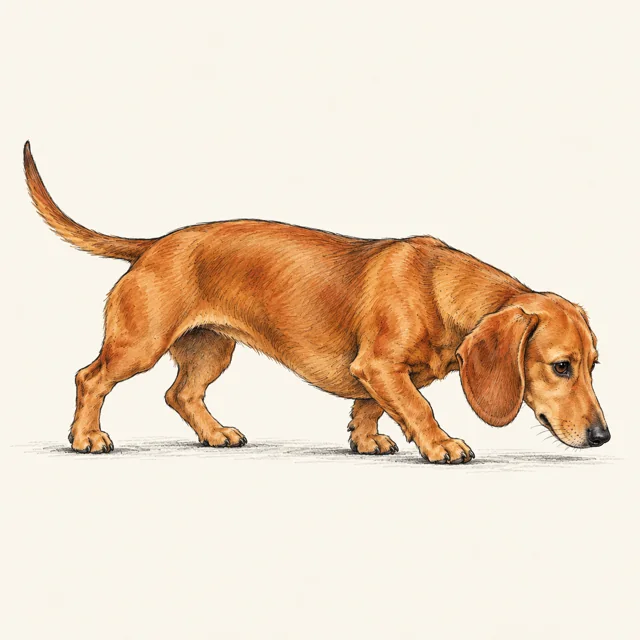
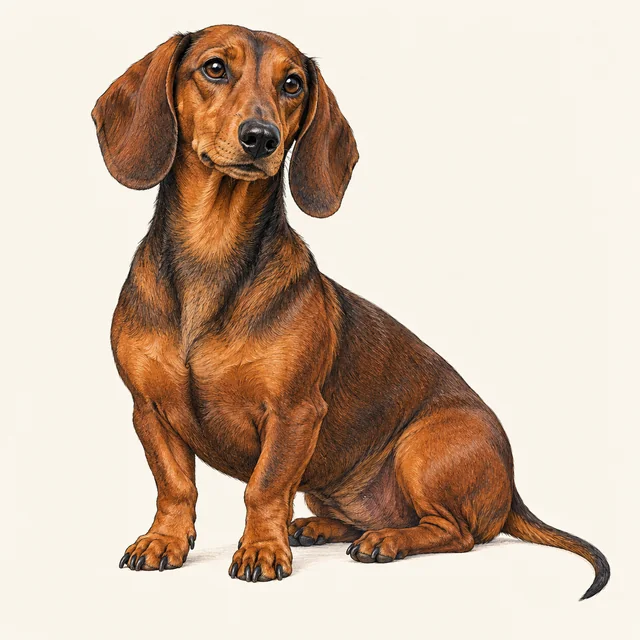
The Miniature Smooth Haired Dachshund puts Germany’s distinctive hunting-dog outline into a smaller, sleek-coated package. Its ancestors worked both above and below ground, and the German name Teckel recalls that tradition. Admirers love the instantly recognisable shape; its miniature size should not obscure the purposeful history or the importance of back health.
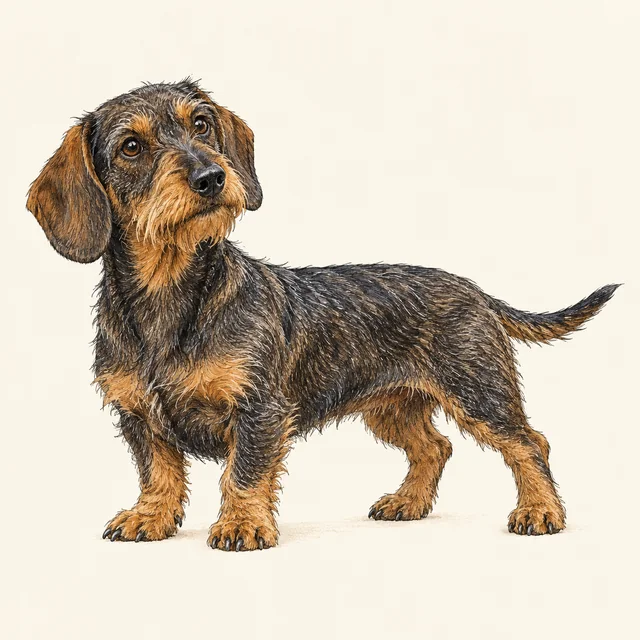
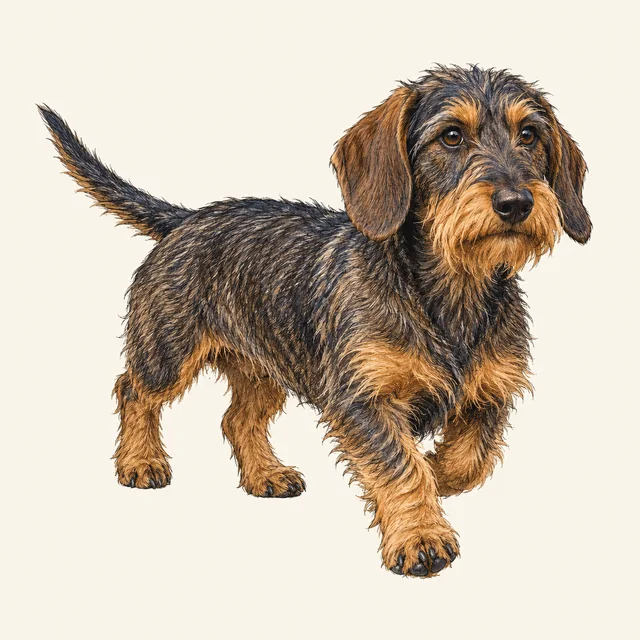
A wiry coat gives the Miniature Wire Haired Dachshund a different finish to the familiar German Teckel outline. Like the other varieties, it shares a history of tracking and underground hunting. Its attraction is the meeting of small scale and rugged texture: the same distinctive breed story, expressed in a rougher coat.
The Smooth Haired Dachshund’s clean outline shows the shape of Germany’s Teckel without a curtain of long hair. Bred for hunting that included working underground, it carries a practical history in an unusually recognisable body. For admirers, its visual simplicity is part of the appeal; comfortable movement and back health belong in the modern picture.
The Wire Haired Dachshund gives Germany’s Teckel a rougher coat while retaining the breed’s distinctive long, low outline. Its history includes tracking wounded game and underground hunting. Admirers enjoy that rugged interpretation of a familiar shape; as with the other varieties, back health and comfortable movement deserve attention alongside appearance.
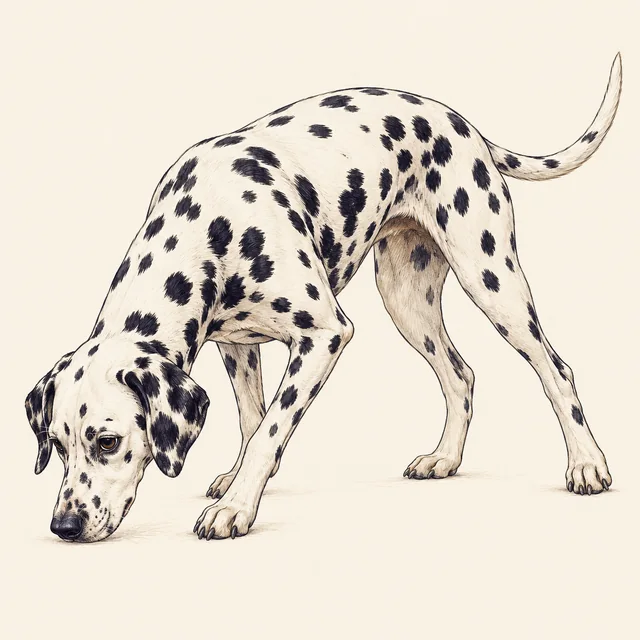
The Dalmatian’s spots carry a fascinating coach-dog history. Thomas Bewick used the name in 1791, and the breed later accompanied carriages and horse-drawn fire engines. Its precise geographical origins remain disputed. For admirers, the attraction is that unmistakable pattern with a working story behind it, rather than an assumption that its name settles its birthplace.
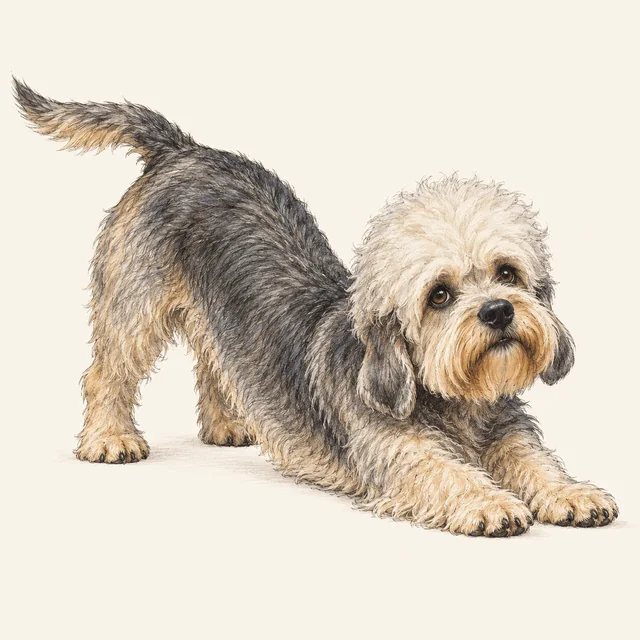
The Dandie Dinmont’s silky topknot and long, curved outline belong to a Borders terrier named after a character in Walter Scott’s “Guy Mannering”. Even its pepper and mustard colours echo the novel’s dogs. Its appeal is unusually literary: a small, expressive breed whose name opens a door into Scottish storytelling.
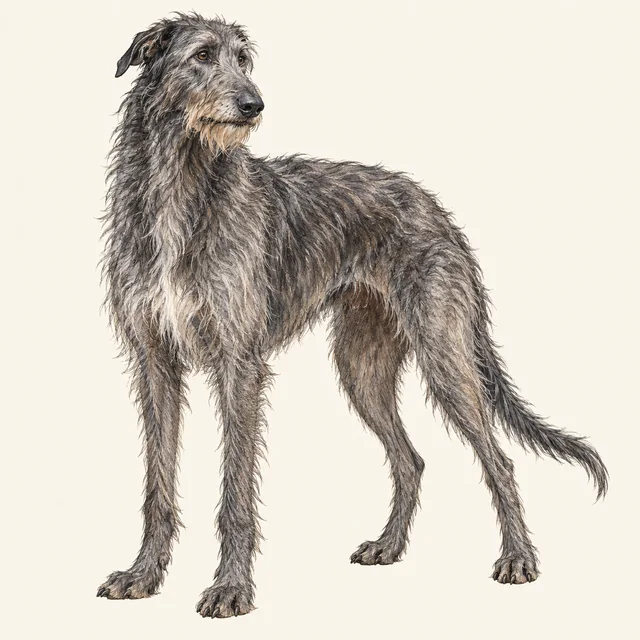
The Deerhound’s rough coat softens the long lines of a Scottish sighthound. Its ancestors hunted large game, with deer becoming central to its purpose as wolves disappeared. Admirers are drawn to the combination of athletic elegance and the gentle temperament described by the registry: an imposing silhouette with a history rooted in the Highlands.
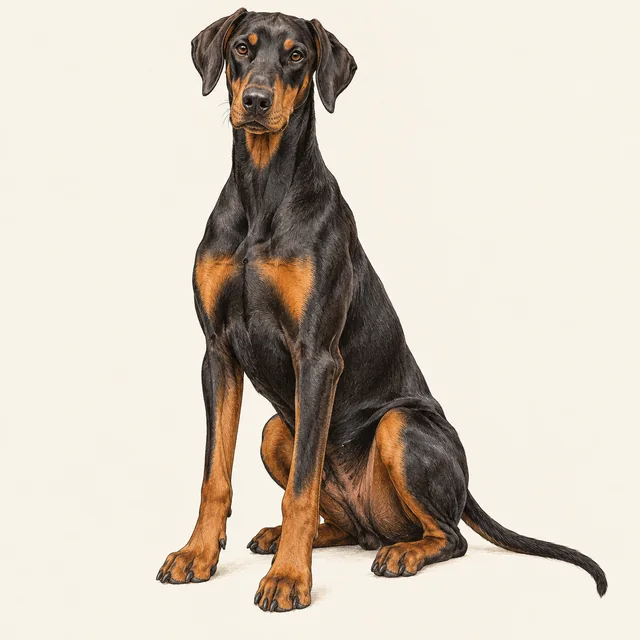
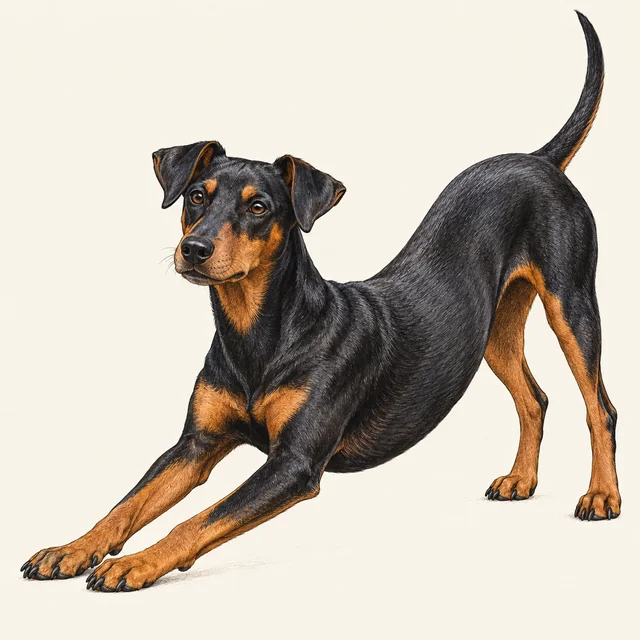
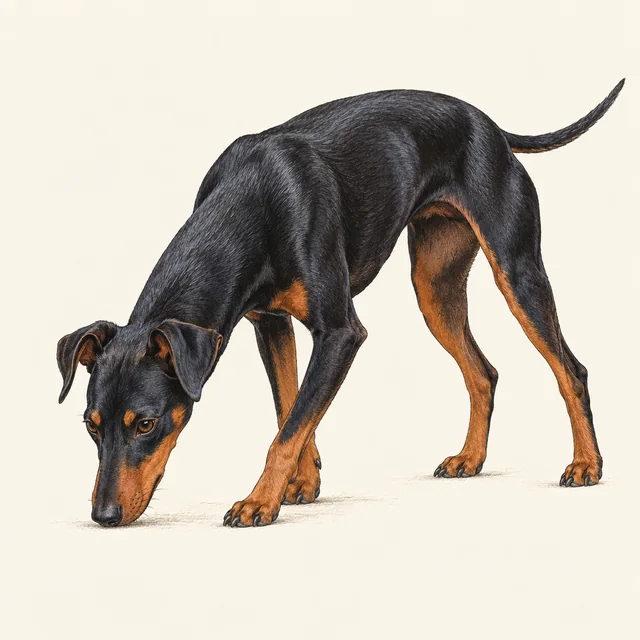
The Dobermann takes its name from Louis Dobermann, a German tax collector who developed a protective dog for his rounds. Its clean outline and purposeful expression came from a deliberate blend of working breeds. Admirers value that striking elegance and partnership history, while understanding its original role is essential to a realistic modern portrait.
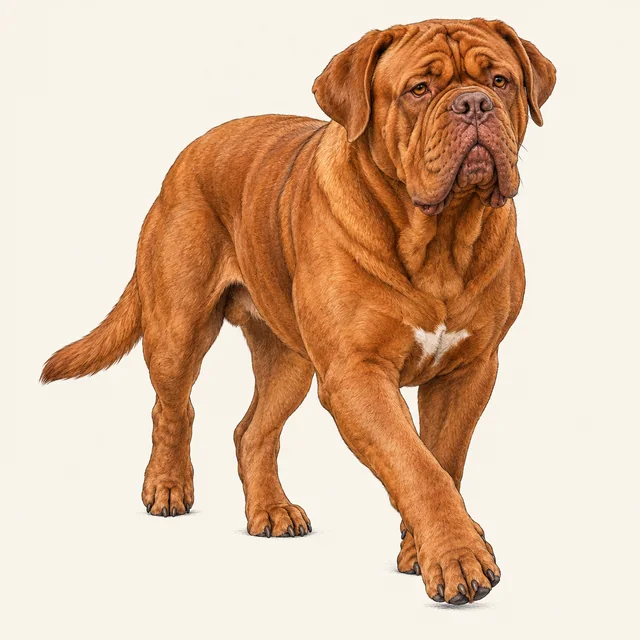
The Dogue de Bordeaux’s story belongs to France, with historical roles in guarding farms and vineyards, hauling and hunting. Its ancestry is debated, so the earliest claims deserve caution. Its appeal is an imposing French mastiff identity; a thoughtful appreciation of that powerful appearance also pays close attention to soundness and the individual dog’s health.
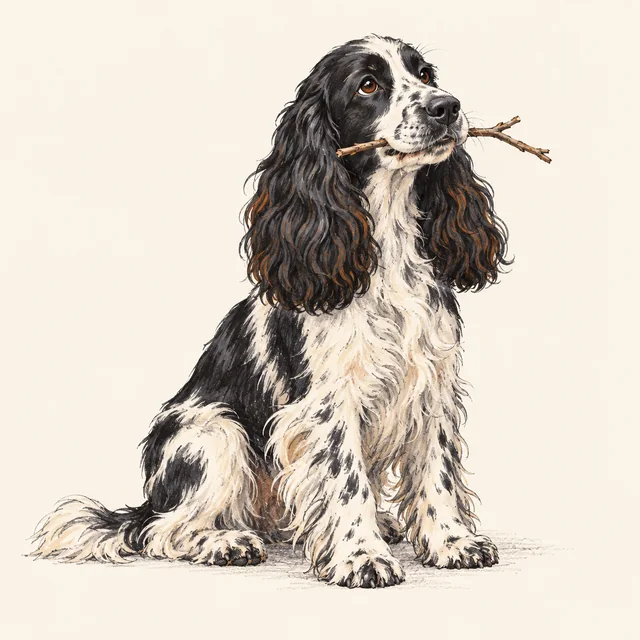
The English Cocker’s name recalls its original work with woodcock, while its wagging tail earned the familiar “merry cocker” description. Recognised separately in 1893, it developed from the wider land-spaniel family. Its appeal is a distinctly sporting warmth: a dog with a long companion history whose working and show lines still deserve individual understanding.
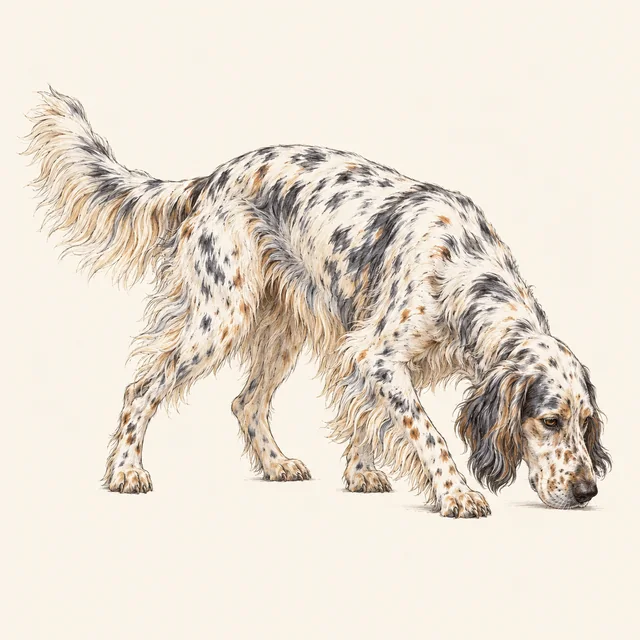
The modern English Setter owes much to nineteenth-century breeders Edward Laverack and Richard Purcell Llewellin. Their different breeding approaches helped shape today’s dog. For enthusiasts, that carefully developed sporting heritage is part of its fascination: an English gundog whose name carries a history of patience, selection and work in the field.
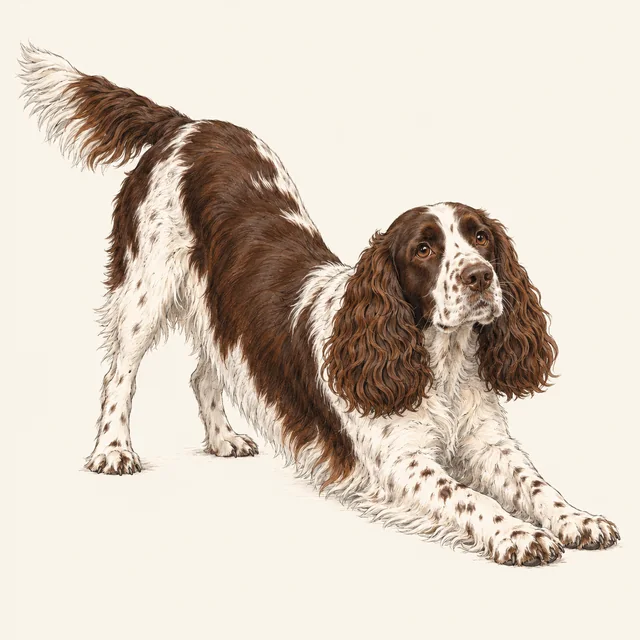
The Springer’s name comes from flushing, or “springing”, game from cover. The English breed developed within the old land-spaniel family and became closely associated with field work. Its appeal lies in the sense of movement and shared purpose: a sporting dog whose history helps explain why an ordinary walk may be only the beginning.
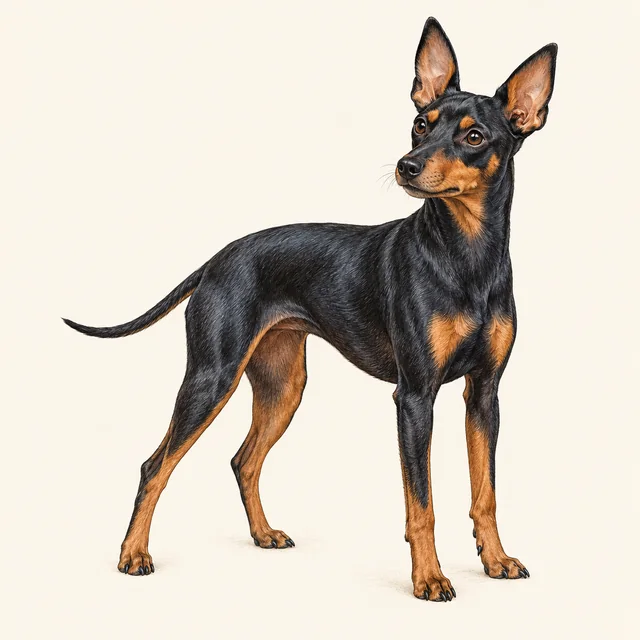
Fine bones, black-and-tan colouring and candle-flame ears give the English Toy Terrier a stylish outline. Its ancestry leads to the Manchester Terrier and the rodent-control work of industrial Britain. Admirers enjoy the elegance, but the history adds a pleasing contradiction: this little companion descends from dogs with a very practical urban job.
The Entlebucher is the smallest Swiss Mountain Dog, named for Switzerland’s Entlebuch Valley. Its close-fitting tricolour coat distinguishes it from the longer-haired Bernese, while its history includes bringing cattle down from mountain pastures. Admirers find the Swiss working tradition in a more compact form, with a regional identity written directly into its name.
The Epagneul Français belongs to an old continental pointing tradition, linked by the registry to bird dogs described by Gaston Fébus. It survived nineteenth-century decline through later breeding efforts. Its appeal combines an elegant sporting identity with historical depth: a French gundog whose story reaches well beyond the modern show ring.
The Estrela Mountain Dog comes from central Portugal’s Serra da Estrela, where it guarded flocks across mountain and summer-lowland conditions. Folded ears and a hooked tail tip are distinctive features. Its appeal is a powerful regional identity: a dog shaped by livestock work and landscape, with guarding heritage to understand alongside its handsome presence.
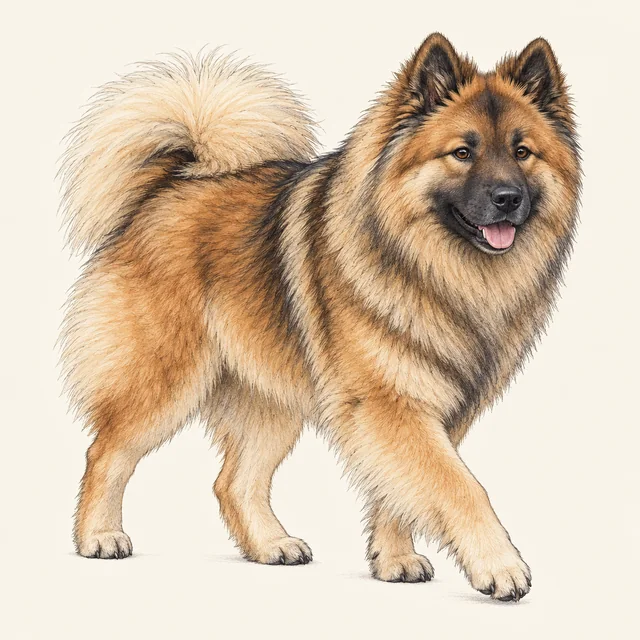
The Eurasier’s name reflects European and Asian ancestry. Julius Wipfel’s German breeding programme brought together Chow Chow, Wolfspitz and later Samoyed stock to establish it. For admirers, this is a handsome spitz with an unusually traceable modern story: its familiar northern outline grew from a deliberate project to develop a companion breed.
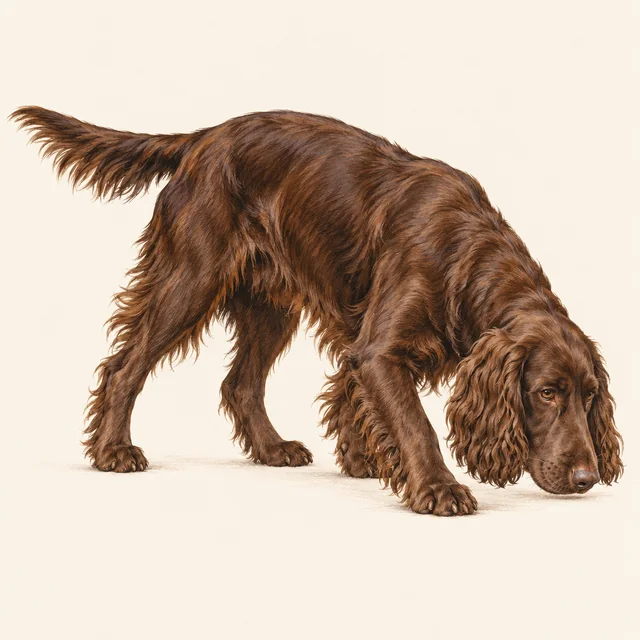
The Field Spaniel’s English history includes dramatic changes in type and careful efforts to rescue it from decline. Breeders used other spaniels to help rebuild the population. Its appeal is partly that survivor’s story: a sporting breed whose present identity owes much to enthusiasts determined that a less familiar spaniel should not disappear.
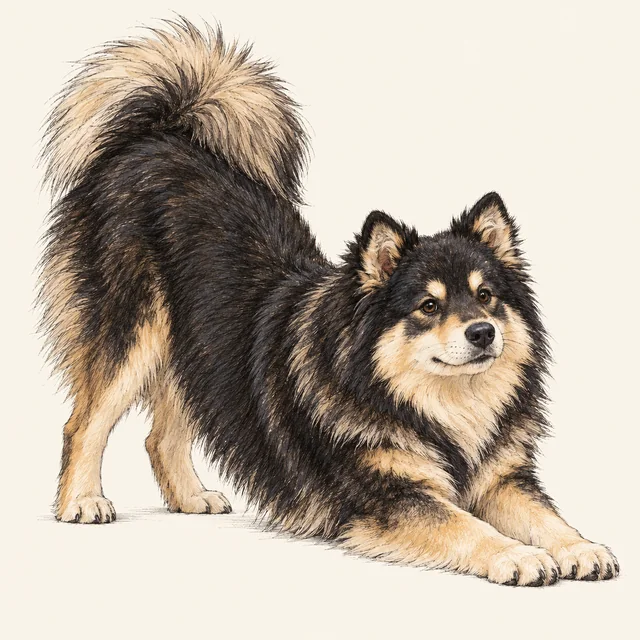
The Finnish Lapphund’s roots lie with Sámi people and dogs used to herd and guard reindeer in northern Finland. It later became a companion breed across its homeland. Admirers are drawn to more than a northern appearance: this is a dog whose story connects family life today with a very particular pastoral tradition.
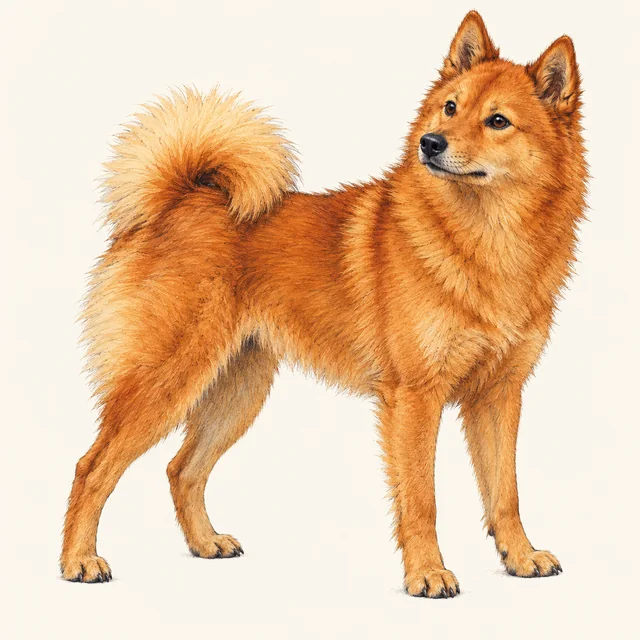
A bright red coat and curled tail give Finland’s national dog a striking woodland silhouette. Its hunting tradition involves barking to signal game in the forest. For admirers, the attraction is both colour and cultural identity: a distinctive spitz whose voice once had an essential job, rather than being an incidental feature of home life.
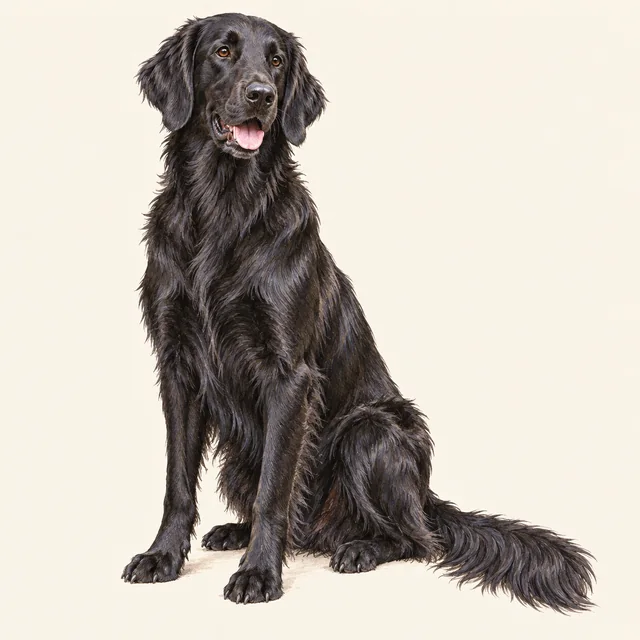
The Flatcoat’s streamlined outline developed from retriever stock with possible setter and spaniel influence. Kennel Club founder Sewallis Evelyn Shirley was an important early enthusiast. Its appeal is a particularly elegant expression of the British gundog tradition: a sporting dog whose history once flourished on the large shooting estates of the nineteenth century.
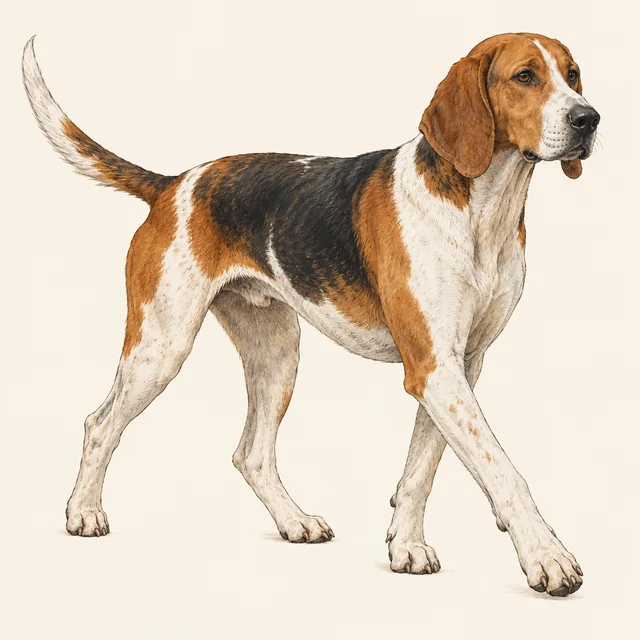
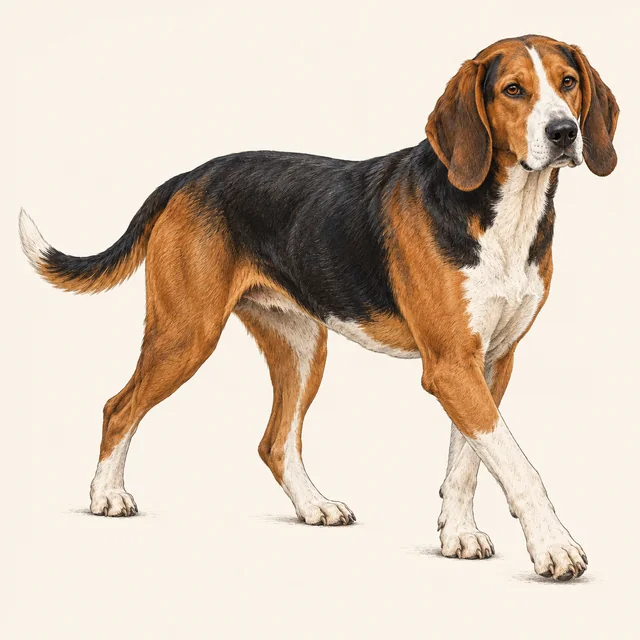
The English Foxhound’s history is a pack history, with different hunts developing recognisable types of their own. It belongs to a tradition of collective work rather than isolated companionship. For hound enthusiasts, that is central to its fascination: a purposeful breed whose identity makes fullest sense in the company and rhythms of the pack.
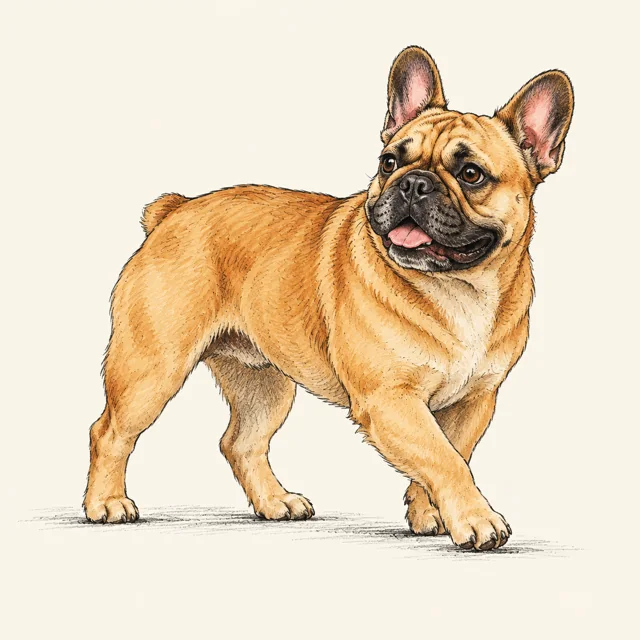
The French Bulldog’s story crosses the Channel with Nottingham lace workers and their small Bulldogs. In France, the breed developed its familiar bat ears and became fashionable in Parisian artistic circles. Admirers love that memorable face and city history; the modern portrait must give breathing and other health concerns as much attention as charm.
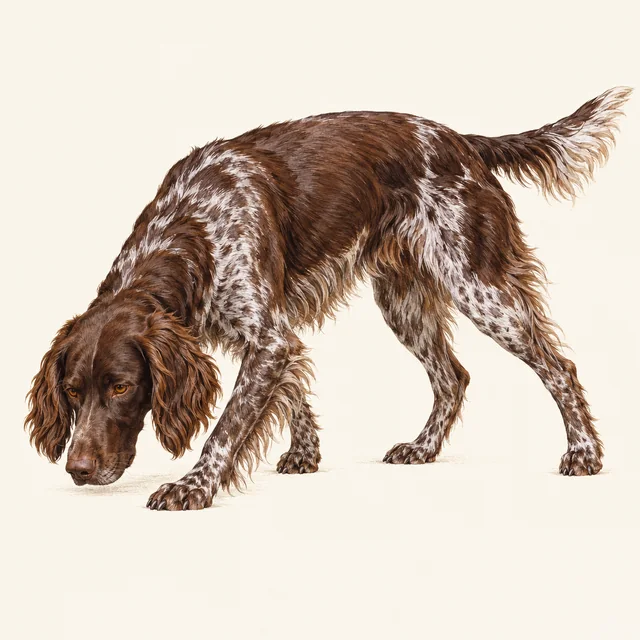
The German Longhaired Pointer brings a softer outline to the German pointing-dog family. Setter and spaniel influence is thought to have contributed to its coat. For enthusiasts, the appeal is an understated sporting beauty: a less familiar gundog whose place in the field matters at least as much as its flowing hair.
The German Pinscher is the original-sized Pinscher and an ancestor of both the Dobermann and Miniature Pinscher. Its history began in rodent control, while its clean outline now attracts companion-dog admirers. This is an appealing meeting of elegance and practicality: a familiar family of dogs seen at its less familiar source.
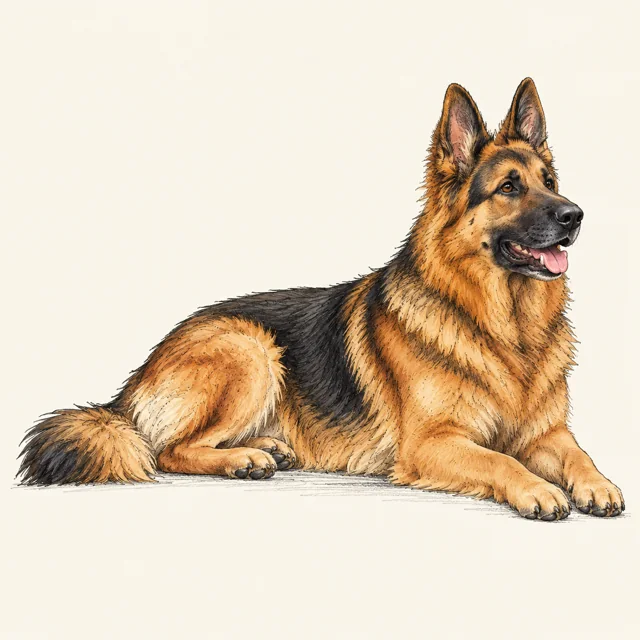
The German Shepherd’s story follows the development of a herding dog into a remarkably versatile worker. Max von Stephanitz helped shape its early identity, and later roles included tracking, military service and guiding. Admirers are drawn to that partnership history; differences between lines, sound construction and the individual dog’s needs remain essential to a thoughtful choice.
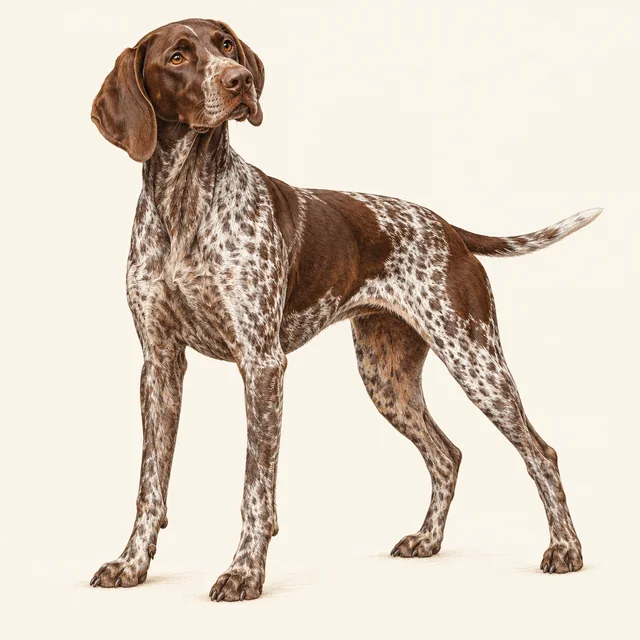
The German Shorthaired Pointer was developed as a versatile hunter that could search, point and retrieve. Its ancestry includes continental bird dogs and English Pointer influence. The appeal is an athletic outline with very little decoration: a dog whose beauty comes from looking thoroughly equipped for the job it was bred to do.
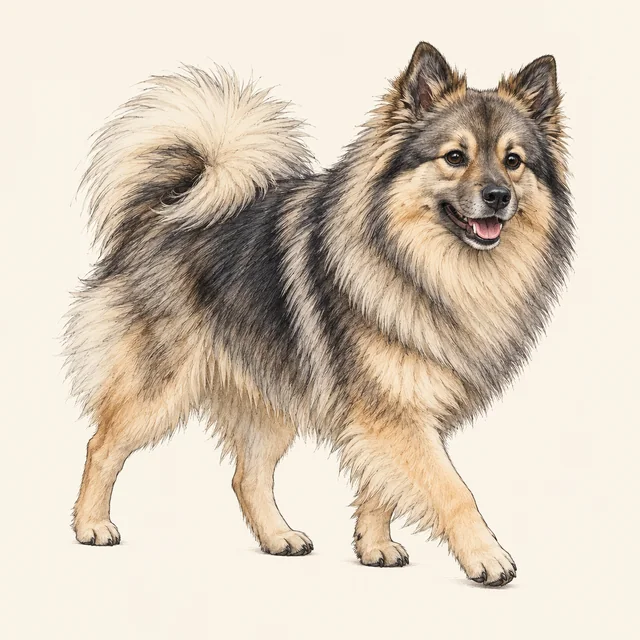
The Klein is the smaller of the two German Spitz sizes recognised by the Royal Kennel Club. The breed’s history is thought to reach back to northern spitz dogs, and its colour variety is part of its attraction. For admirers, this is a compact expression of the spitz look with an engagingly broad palette.
The Mittel offers the German Spitz outline in the larger of the two sizes recognised by the Royal Kennel Club. It shares a standard and ancestry with the smaller Klein. Admirers enjoy a dog with a strong visual identity and many colour possibilities, while remembering that size variety alone does not predict an individual’s personality.
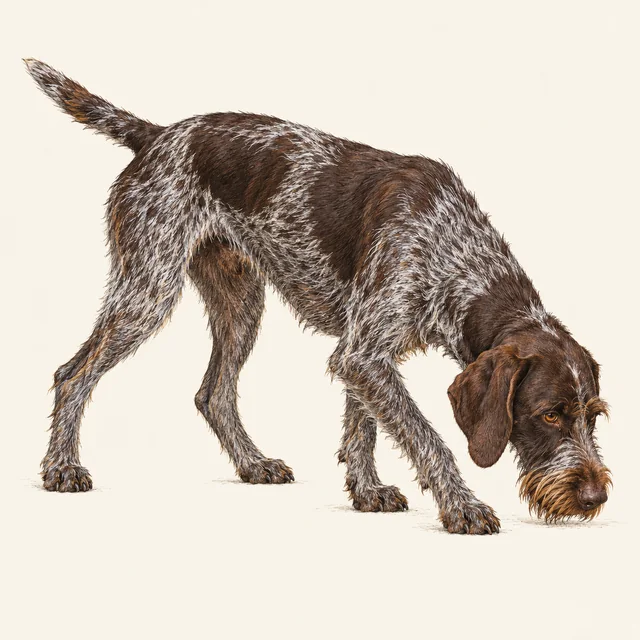
A bristly coat gives the German Wirehaired Pointer a rugged finish built for rough cover and weather. Its development drew on nineteenth-century German wire-coated pointing dogs. For enthusiasts, the attraction is purposeful texture: this is a sporting breed whose appearance reflects protection and stamina, rather than ornament alone.
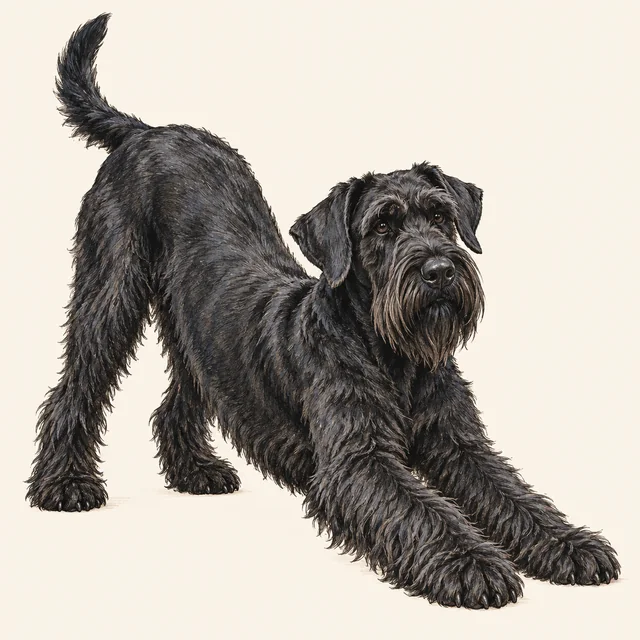
Once called the Munich Schnauzer, the Giant developed around that German city as a cattle-driving dog. When livestock transport changed, its work shifted towards guarding, policing and tracking. Admirers see a bold enlargement of a familiar breed family, with a story that moved from rural herds into the working life of the city.
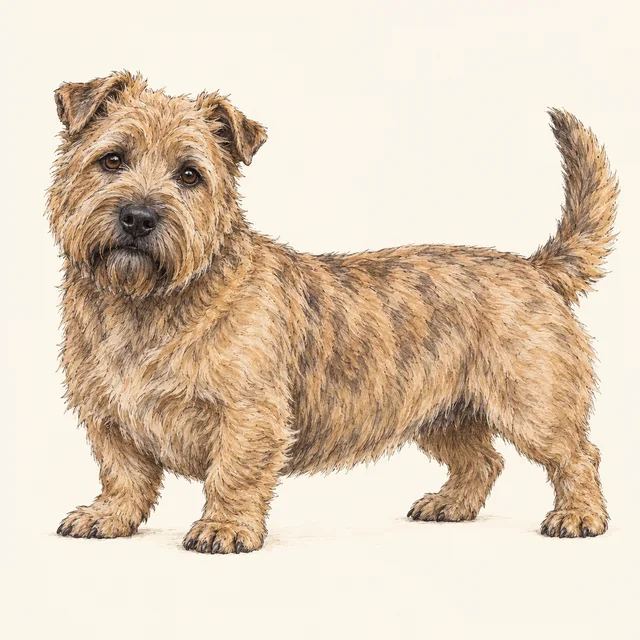
The Glen of Imaal Terrier is named for a valley in County Wicklow, Ireland. Its low, substantial build belongs to a history of demanding underground hunting. For terrier admirers, its appeal is a strong local identity and an unusual outline: a small dog whose heritage asks to be understood as seriously as that of a larger worker.
The Goldador joins Labrador and Golden Retriever ancestry, two sporting families with long histories of working beside people. Purina describes use of the cross in assistance and other working roles. Its appeal is that partnership tradition, while a purposeful family background still cannot guarantee the behaviour, health or suitability of any particular dog.
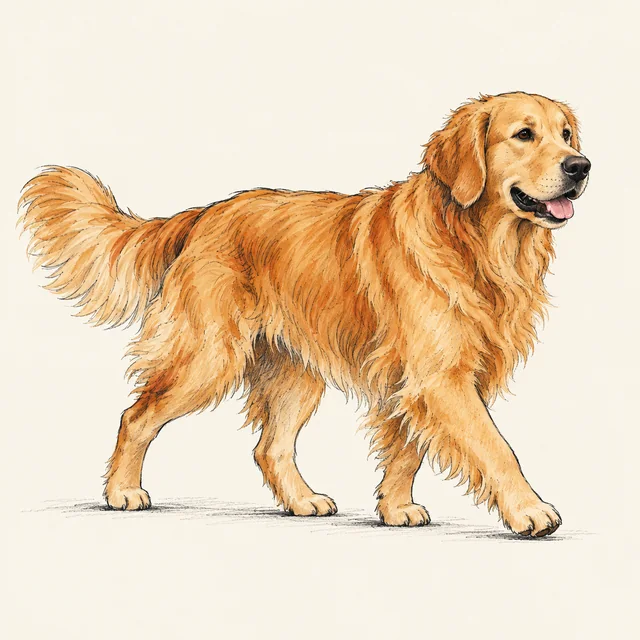
The Golden Retriever’s history centres on Lord Tweedmouth’s breeding at Guisachan, where yellow retrievers developed from a deliberate combination of sporting dogs. Enthusiasts still celebrate that Scottish estate as the breed’s home. Its appeal includes both the familiar golden appearance and the idea of a long partnership between people and working dogs.
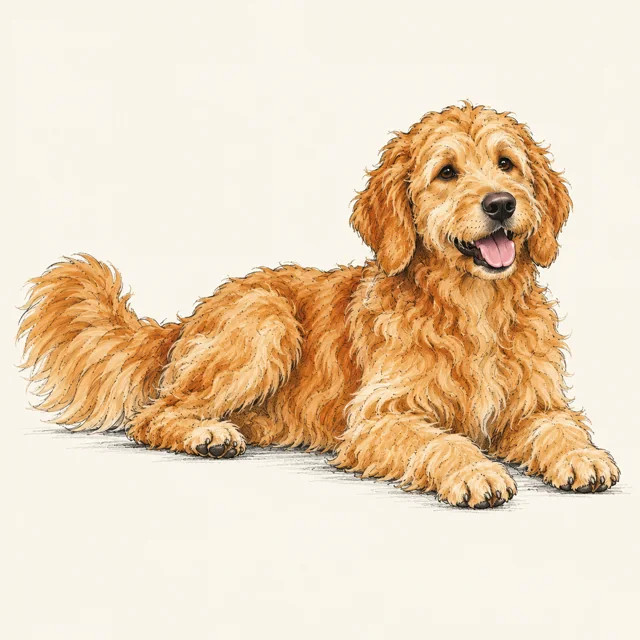
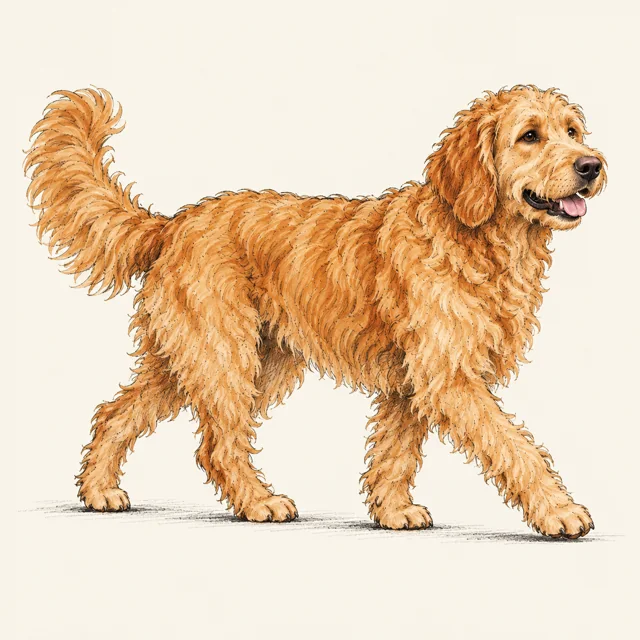
The Goldendoodle joins Golden Retriever ancestry with a Poodle, usually the Standard variety. The cross developed after growing interest in Labradoodles, combining two rich sporting histories in a modern companion name. Admirers enjoy the possible variety of texture and appearance; no single coat, temperament or allergy outcome is fixed by the label.
Size
Medium to large, depending on the Poodle size used (publisher guide)
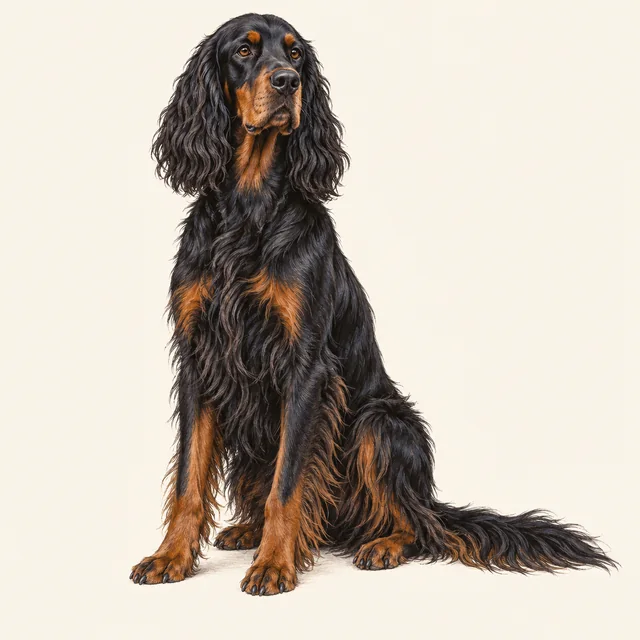
The Gordon Setter’s black-and-tan coat recalls a Scottish breed developed around the Duke of Gordon’s kennels. Earlier dogs appeared in other colours, but selective breeding established today’s familiar pattern. Its appeal lies in the rich colour and substantial sporting presence: the heaviest setter, carrying a name closely tied to Scottish estate history.
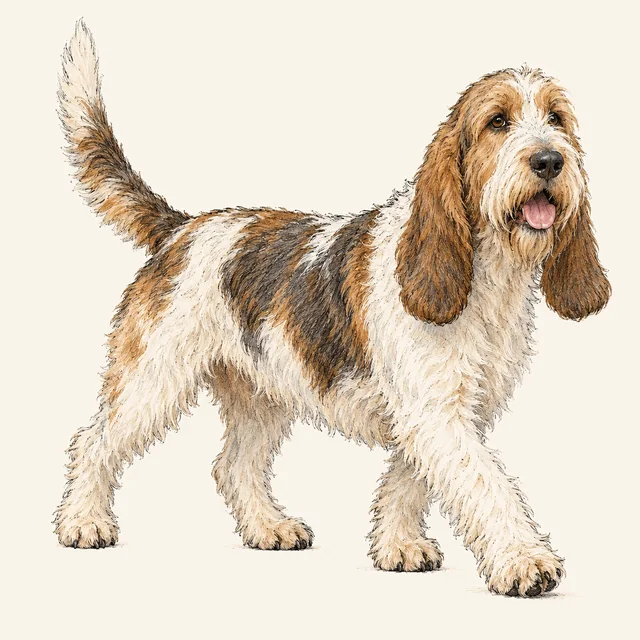
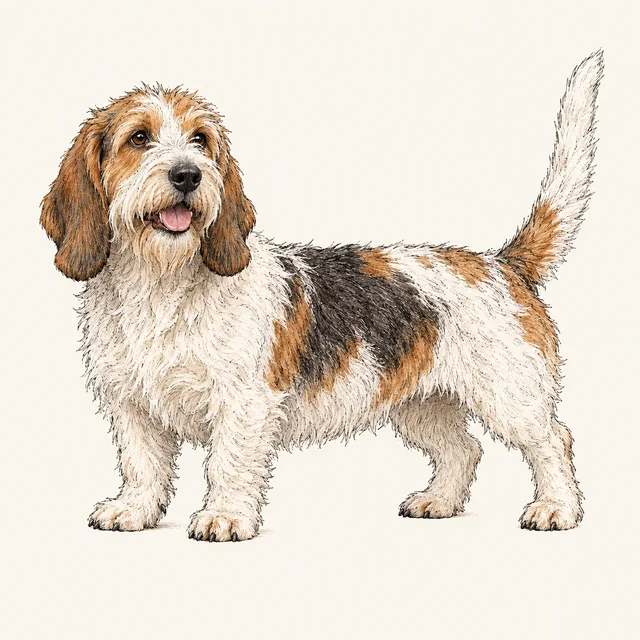
The Grand Basset Griffon Vendéen stretches the basset idea into longer legs, a long body and generous ears. Its rough coat should retain a country-dog finish, and its original work included hare and rabbit hunting. Admirers enjoy that slightly grand, slightly dishevelled silhouette: a French hound whose rustic appearance is part of its identity.
Tall and mottled, the Grand Bleu de Gascogne is a striking French scent hound. Its blue-looking coat links it visually with the smaller Basset Bleu, while its history includes hunting large game. For hound enthusiasts, the attraction is both scale and colour: a particularly imposing expression of France’s rich hunting-dog tradition.
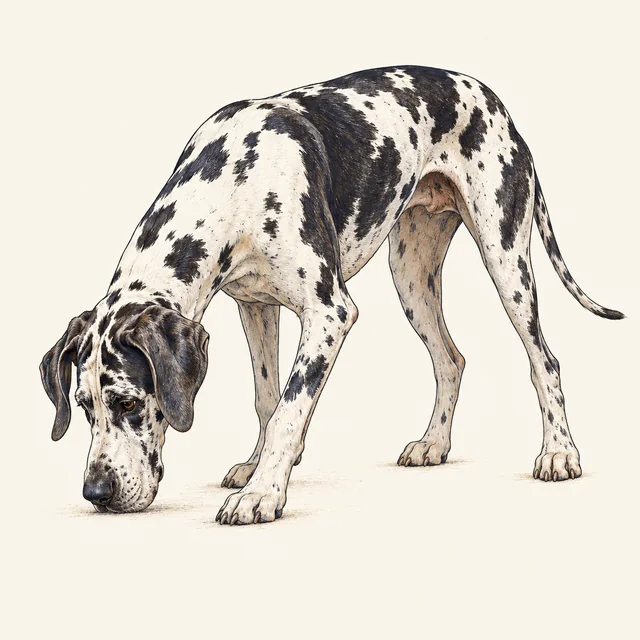
Despite its name, the Great Dane developed in Germany from heavier dogs used to hunt wild boar. Modern breeding produced a taller, more elegant outline, earning the registry’s comparison with Apollo. Admirers love that extraordinary scale and grace; the beauty is most meaningful when comfortable movement and the realities of giant-dog care are kept in view.
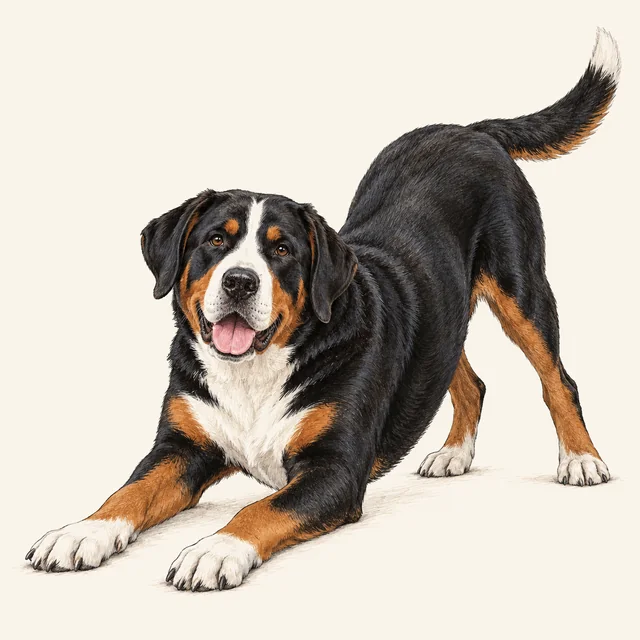
The Great Swiss Mountain Dog combines a dense, short tricolour coat with a powerful working build. Swiss dogs once herded cattle and pulled milk and cheese carts, sometimes in pairs. Its appeal is tangible and rural: a handsome dog whose history can be pictured in the everyday journeys between farm, dairy and market.
The Greenland Dog’s coat and build reflect a life of hauling in a severe northern climate. It belongs to Greenland’s native dog heritage, with conservation measures protecting its identity. Admirers are drawn to a purposeful Arctic breed: its handsome spitz outline is inseparable from a history of transport and sustained work alongside people.
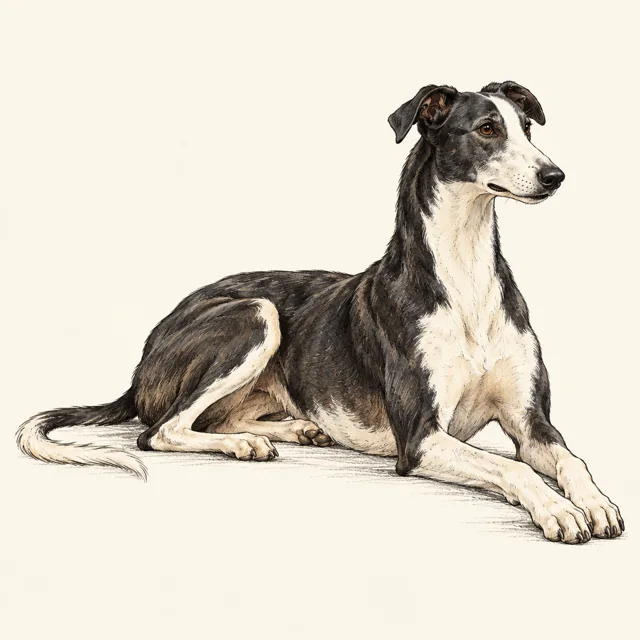
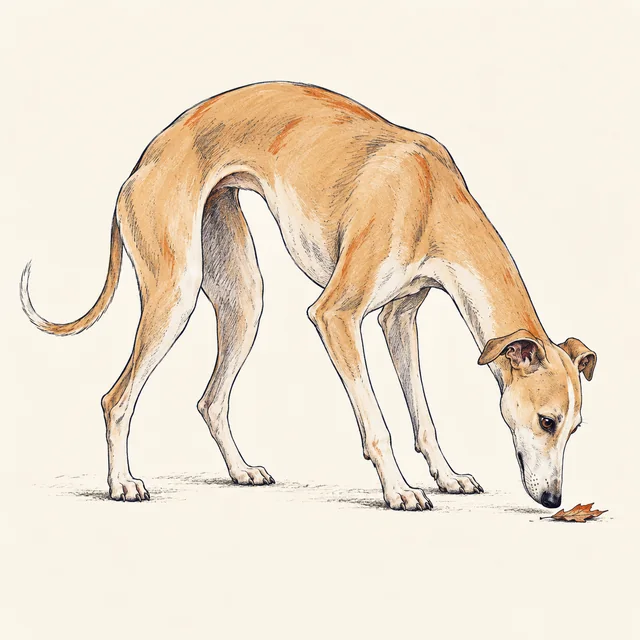
The Greyhound’s long limbs and streamlined body make its sighthound history visible at a glance. Developed in Britain, it once carried such prestige that hunting with these dogs was restricted to royalty and nobility. Admirers love the elegance of that outline; modern show, racing and rehomed dogs bring different individual histories to the same breed portrait.
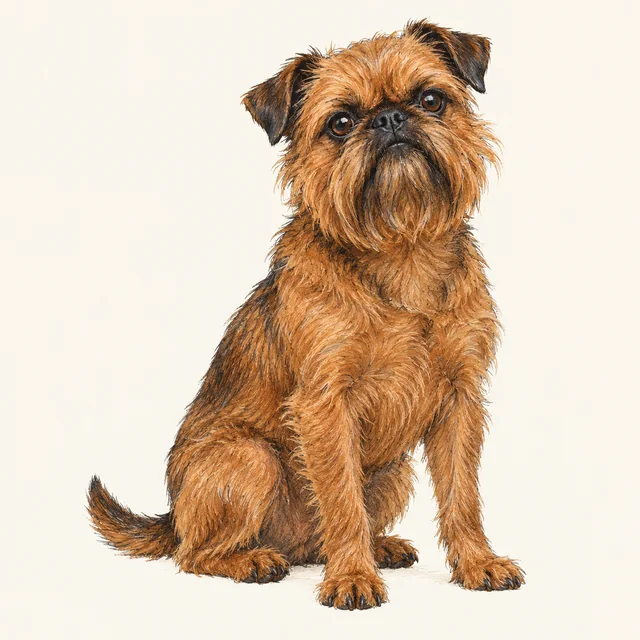
The Griffon Bruxellois began as a Belgian stable watchdog and rodent hunter. It comes in rough and smooth coats, and the registry notes older paintings of dogs of Griffon type. Its appeal is the expressive small-dog face with a practical past; historical resemblances in art should be enjoyed without treating them as proof of a modern pedigree.
A rough, red-wheaten coat gives the Griffon Fauve de Bretagne its warm country appearance. This Brittany hound’s earlier work included wolf hunting, and enthusiasts later helped revive it after decline. Its appeal is a strong French regional story: a dog whose rustic beauty comes with a history of both work and preservation.
The Hamiltonstövare is a Swedish scent hound with black, white and tan markings. Count Hamilton developed it from English and German hound stock, favouring a dog that worked singly. Admirers enjoy its crisp outline and traceable history: a Scandinavian hunter named for an enthusiast who also helped establish Sweden’s kennel club.
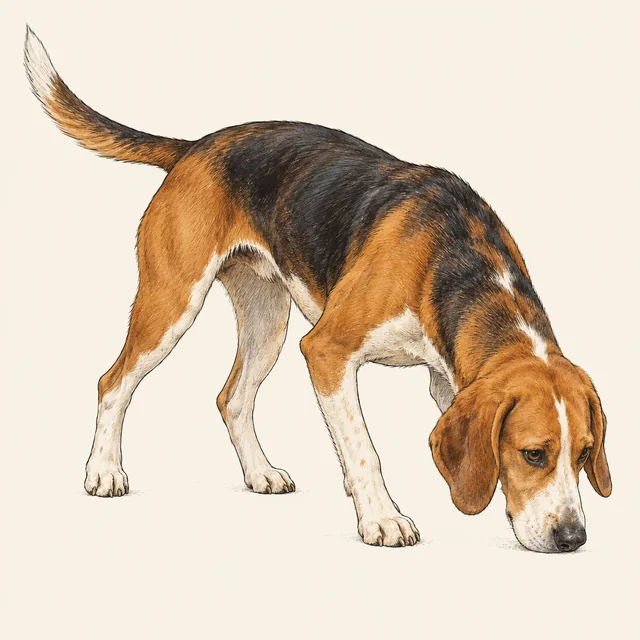
The Harrier sits between the Beagle and Foxhound in size, with its name pointing directly to hare hunting. Its British history includes work followed first on foot and later on horseback. For hound admirers, the appeal is a less familiar middle member of a recognisable family, with a sporting story extending back centuries.
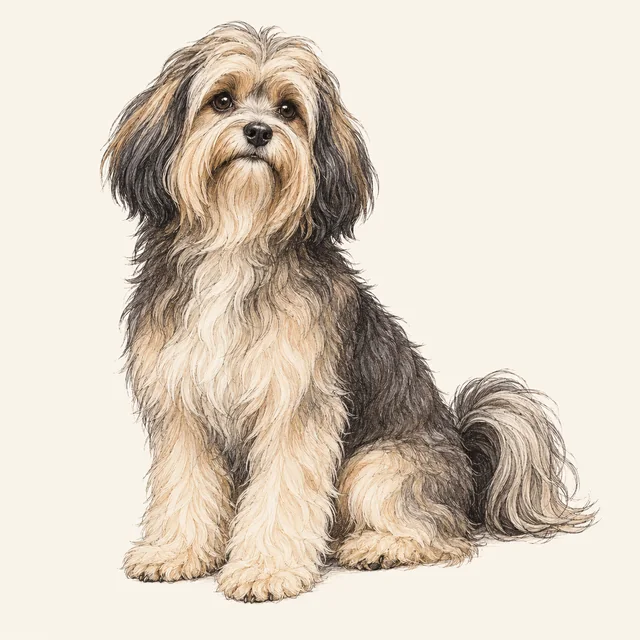
The Havanese brings a Cuban chapter to the Mediterranean Bichon family. Traders are thought to have carried its ancestors to the island, and emigrating owners later took their dogs to America. Admirers love the silky coat and range of colours; its story is also one of companionship travelling with people through major changes in their lives.
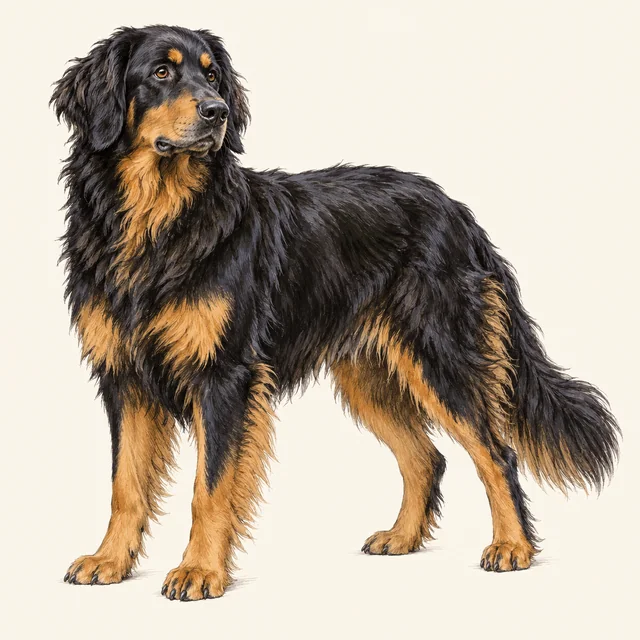
The Hovawart’s German name describes a guardian of the homestead. Nearly lost by the early twentieth century, it was rebuilt through Kurt König’s breeding efforts. Its appeal is the sense of an old working idea preserved in a modern dog, with the history of watchful farm life important to understanding the breed beyond its appearance.
The Kuvasz’s history lies on Hungary’s Carpathian plains, protecting livestock against predators and theft. Its ancestry is associated with dogs brought by the Magyars. Admirers value a breed with a strong pastoral identity; the guarding purpose is central to its story and should remain central when thinking about life with an individual dog today.
Pricked ears and a wavy or curly coat distinguish Hungary’s Mudi. Recognised as a breed in 1936, it belongs to a long tradition of versatile herding dogs. Its appeal lies in alertness and purpose as much as appearance: the registry describes an enthusiastic worker, making shared activity an important part of appreciating this less familiar sheepdog.
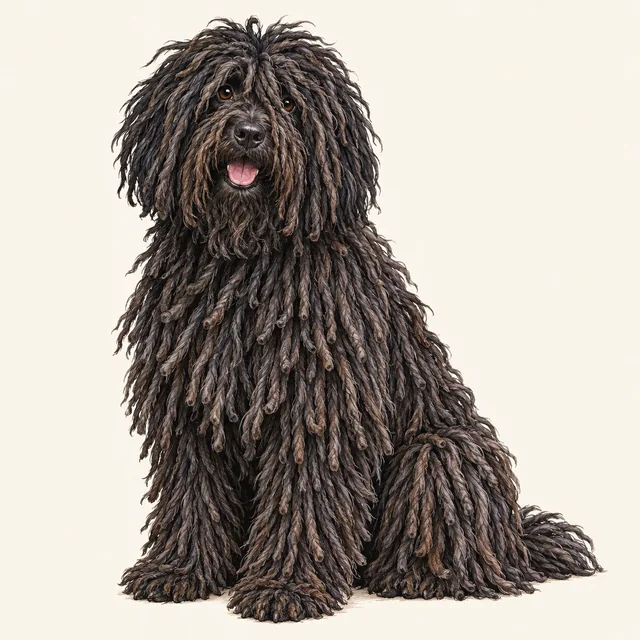
The Puli’s cords can make it look like a moving bundle of rope, but underneath is an agile Hungarian herding dog. That coat developed as protection and insulation, not a visual novelty. Admirers delight in the contrast between the dramatic exterior and the nimble worker beneath it—a breed whose appearance becomes more interesting when its purpose is understood.
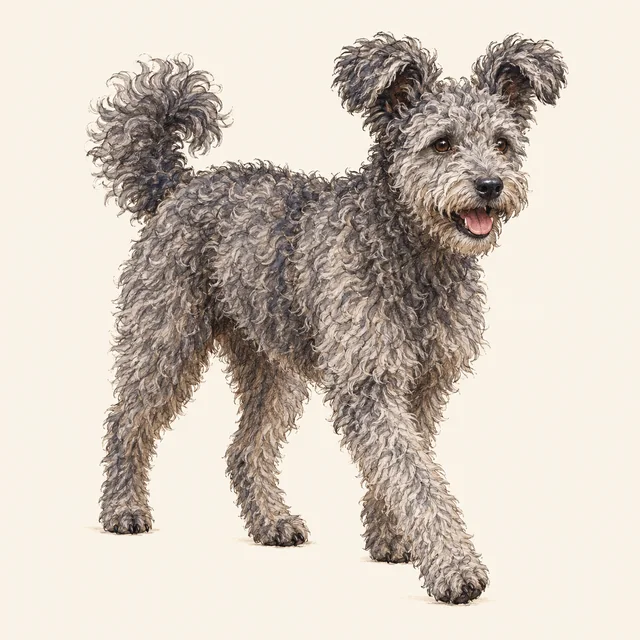
The Pumi’s tipped ears and lively outline reflect a Hungarian blend of herding-dog, terrier and spitz ancestry. Once grouped with the Puli, it later gained its own breeding programme and identity. Its appeal is a distinctive expression of pastoral energy, with a face and coat that reveal something of the different working traditions behind it.
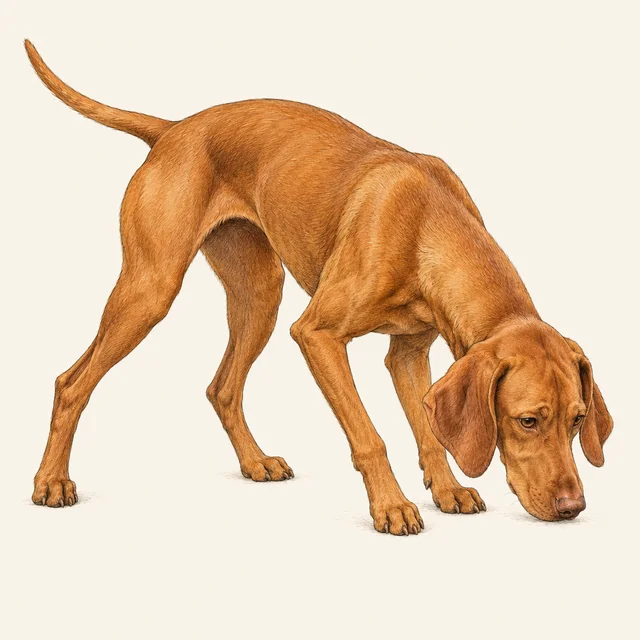
A russet-gold coat gives the Vizsla its warm, elegant appearance. Its Hungarian history reaches back to falconry, while dogs taken abroad by refugees helped preserve the breed through upheaval. Admirers see both a graceful sporting dog and a survivor’s story: the modern breed owes much to people who kept their dogs close while leaving home.
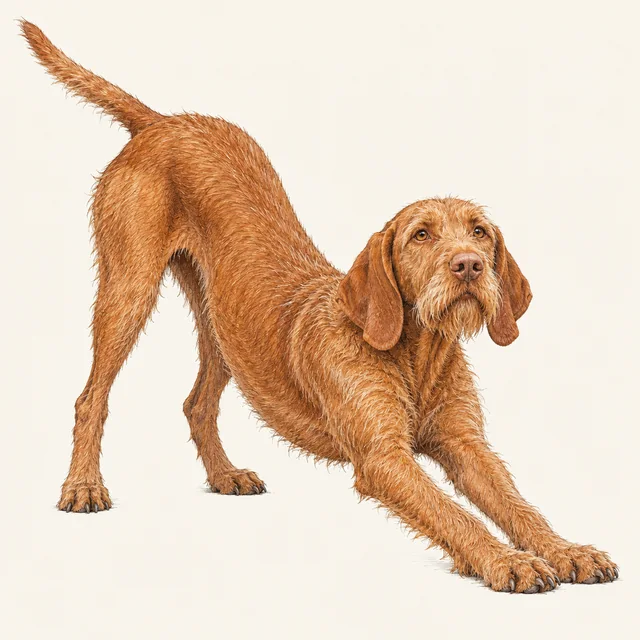
The Wirehaired Vizsla brings a tougher coat and somewhat stronger frame to its Hungarian relative’s sporting identity. German Wirehaired Pointer ancestry helped provide protection for cold conditions and rough cover. Its appeal is that practical variation on a familiar warm-coloured outline: a gundog whose different texture reflects different demands in the field.
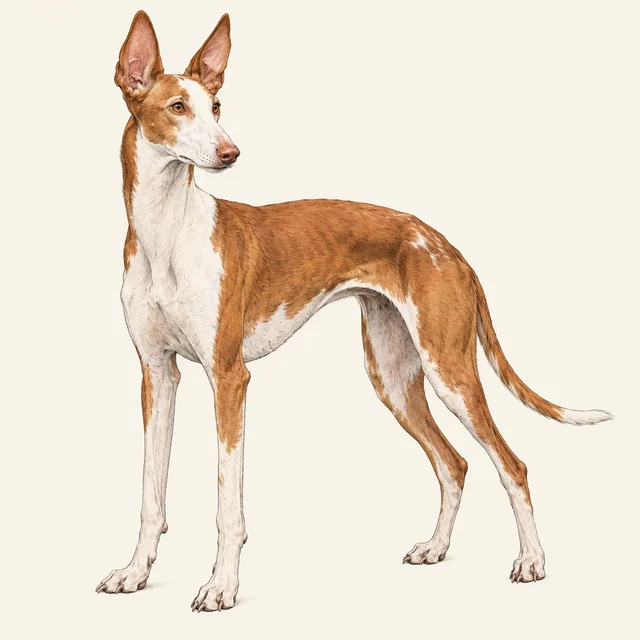
Large ears and a light, elegant outline distinguish the Ibizan Hound, known in its homeland as the Podenco Ibicenco. It worked as a rabbit hunter on Ibiza and neighbouring Formentera. Admirers enjoy the island connection and distinctive movement; resemblances to ancient images are intriguing, but should not be treated as a documented unbroken modern pedigree.
The Icelandic Sheepdog’s story follows Scandinavian settlers into Iceland and a hardy herding life in demanding weather. The naturalist Buffon published an early illustration in 1754. Admirers find a lively northern pastoral identity in this breed, with a history of near loss and survival that adds depth to its cheerful spitz appearance.
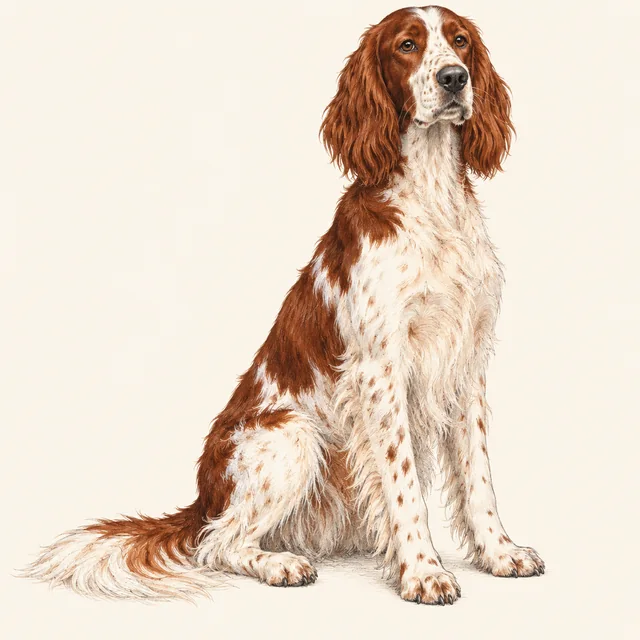
The Red and White Setter was the original Irish setter type, locating birds for falconers and hunters using nets. Its contrasting colours made it easier to see at a distance. Admirers enjoy a sporting dog whose handsome pattern had a job to do, and whose survival required renewed enthusiasm after the red setter became more fashionable.
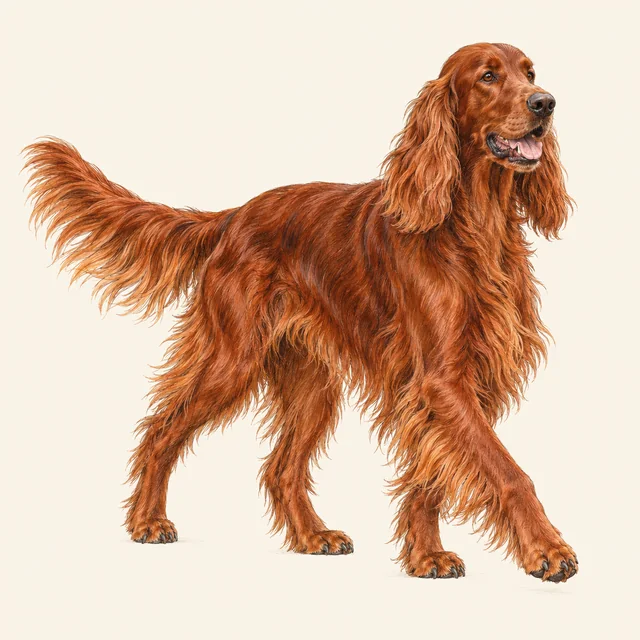
The Irish Setter’s flowing red coat helped it become a nineteenth-century show-ring favourite. It developed into a lighter, racier dog than its red-and-white relatives. Its appeal is immediately visual—rich colour and graceful lines—but that glamour belongs to a sporting breed, with a field history behind the familiar picture of a beautiful companion.
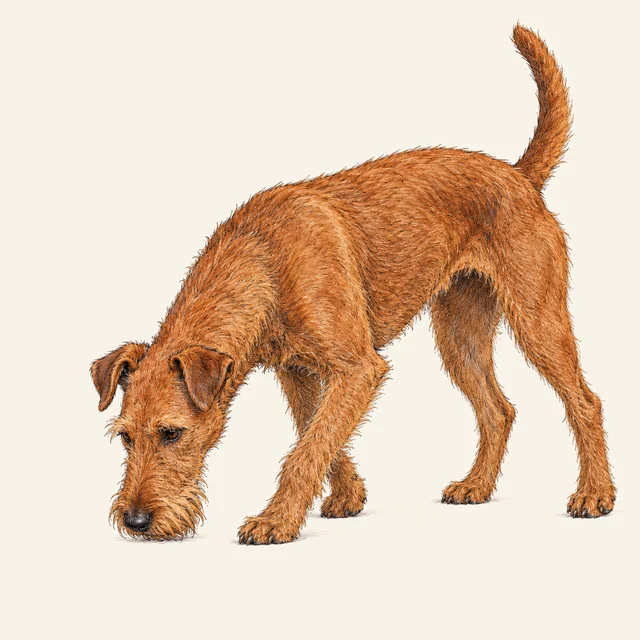
The Irish Terrier’s red coat was once less uniform; a bitch named Poppy helped make that colour central to the breed. Its lean outline and reputation for spirit set it apart within the terrier family. For admirers, the pleasure is a distinctly Irish combination of warmth in colour and purposeful character, discovered anew in each individual dog.
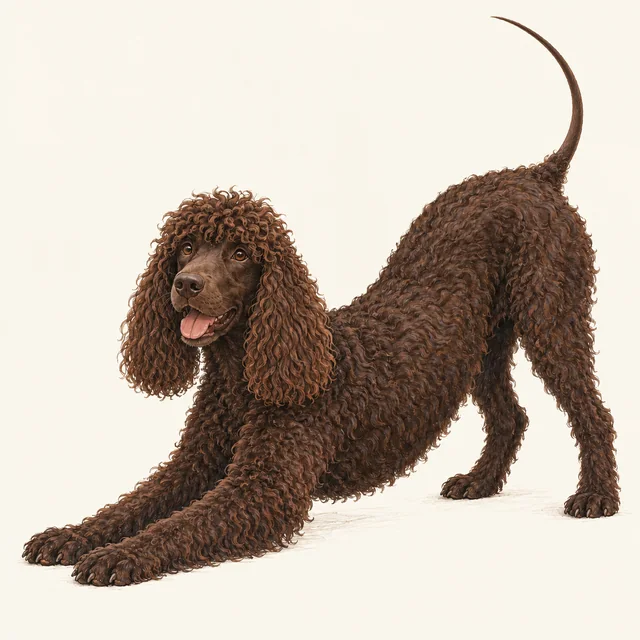
Curly hair, a topknot and a distinctive tail give the Irish Water Spaniel a memorable appearance. Justin McCarthy’s dog Boatswain was influential in its nineteenth-century development. Although called a spaniel, it traditionally retrieves from water. Its appeal lies in that wonderfully individual look, attached to a sporting purpose rather than mere show-ring decoration.
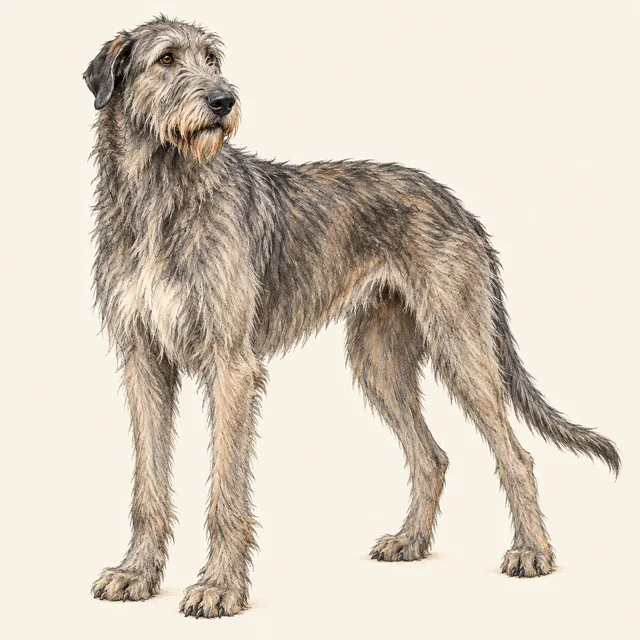
The Irish Wolfhound’s vast, rough-coated outline belongs to a breed revived by Captain George Augustus Graham and fellow enthusiasts after severe decline. Its older purpose was hunting wolves. Admirers are drawn to both the imposing silhouette and the calm temperament described by the registry; its preservation story adds poignancy to the idea of a giant companion.
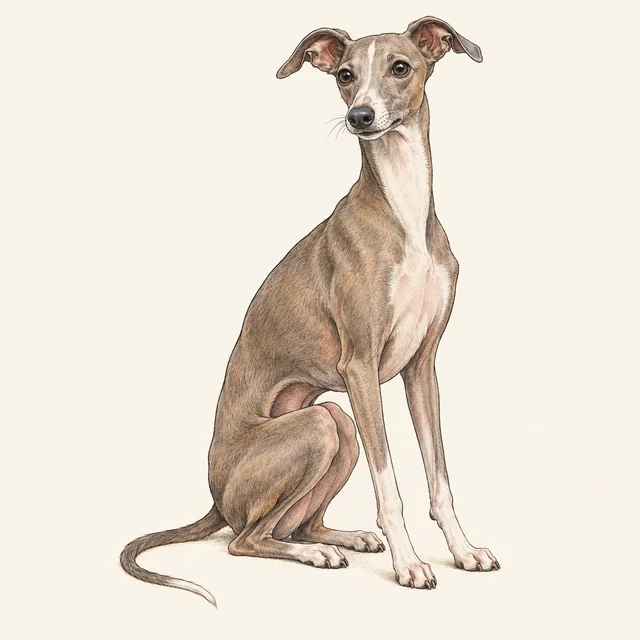
The Italian Greyhound makes the sighthound’s curving outline remarkably small and fine-boned. The registry links dogs of similar type with ancient imagery, though resemblance is not an unbroken pedigree record. Its appeal is delicate elegance: an almost miniature sculpture of the hound form, whose beauty also calls for thoughtful handling of the actual dog.
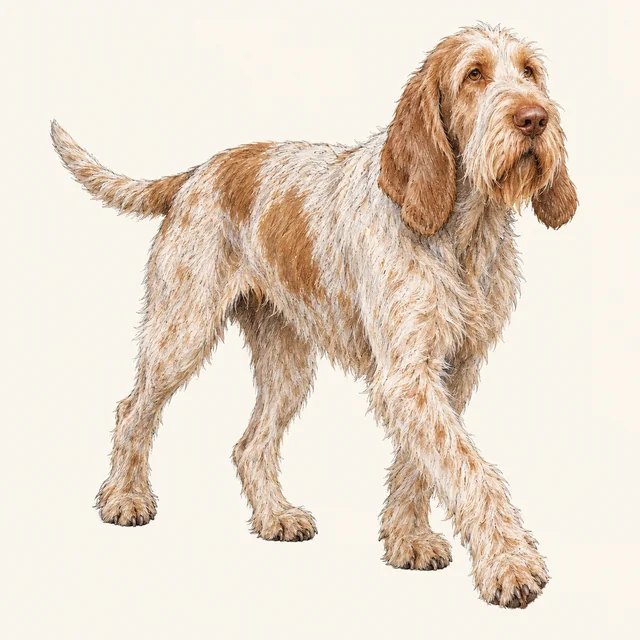
The Spinone’s coarse coat, strong head and expressive face belong to an Italian all-purpose gundog. Its working rhythm favours stamina rather than sheer speed. Admirers love a sporting dog with an unusually characterful appearance; the registry describes a long-standing Italian breed, while the precise mix behind its ancestry remains a subject of speculation.
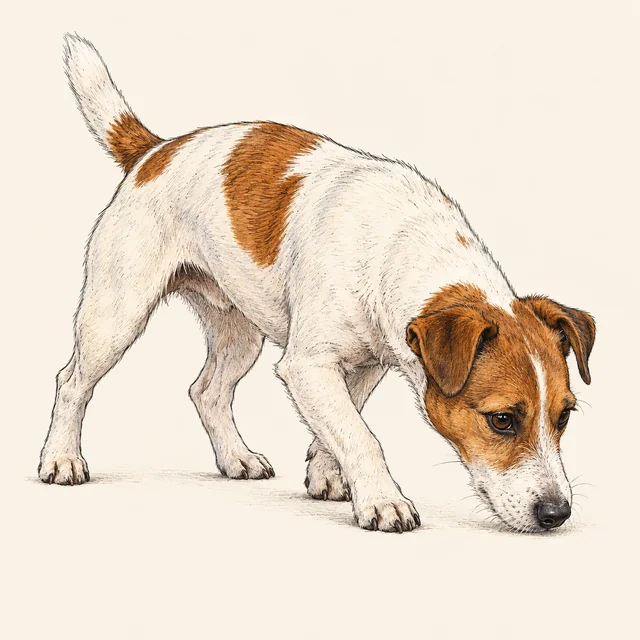
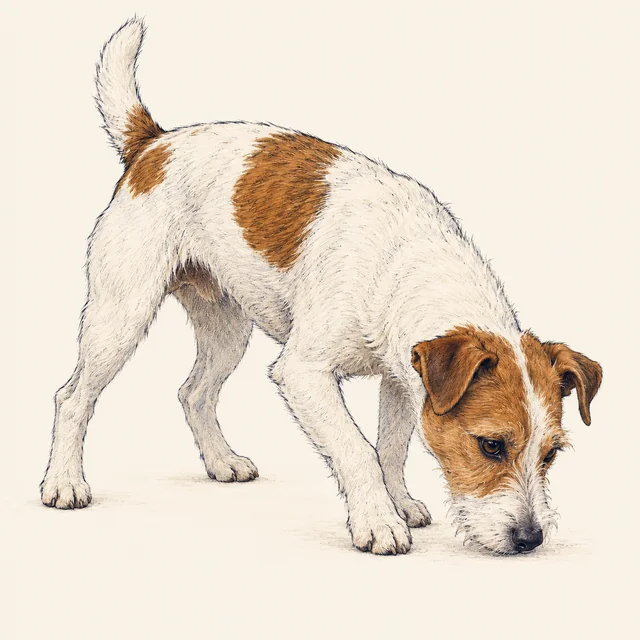
The Jack Russell’s roots are British working terriers, while Australia played a major role in developing the internationally recognised breed. Its modern history therefore crosses continents rather than belonging to a single simple origin tale. Admirers love the compact terrier identity, but different registered and working types make meeting the actual dog particularly important.
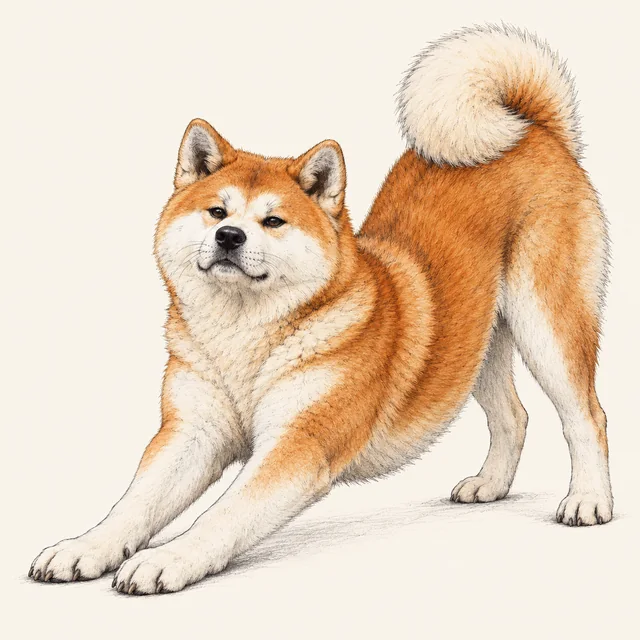
The Japanese Akita Inu preserves the Akita type associated with Japan, distinct here from the breed developed further in America. A curled tail, small upright ears and protective coat give it a strong spitz outline. Admirers value that striking national identity; the Royal Kennel Club recognised the two breeds separately in 2006.
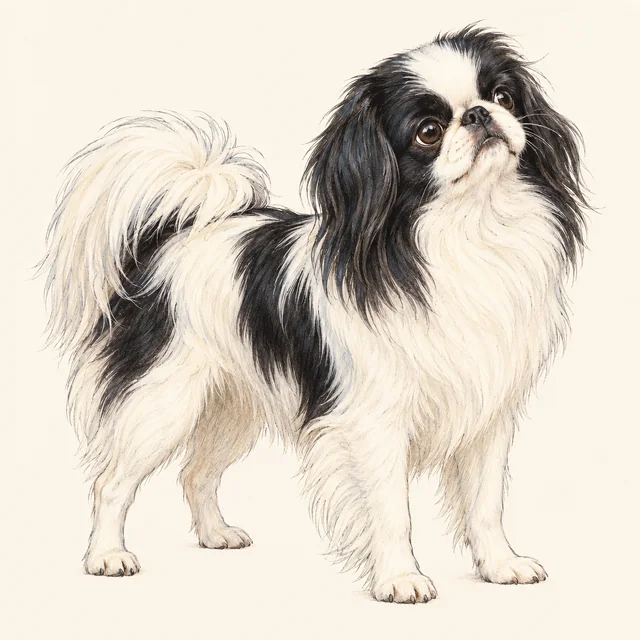
The Japanese Chin’s story crosses from China into Japan through a royal gift, according to the registry. Its name is associated with catlike qualities, and its eye expression can look charmingly astonished. Admirers enjoy a small companion with a courtly history and an unusually expressive face, while remembering that appearance is no substitute for understanding the individual.
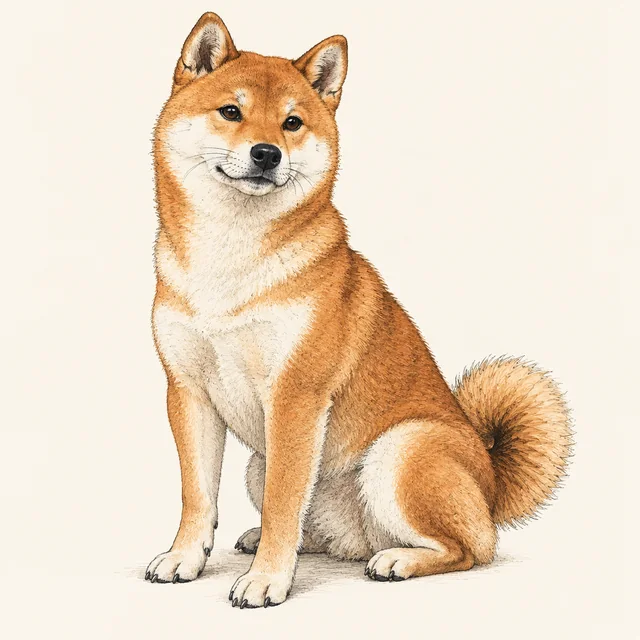
Japan’s Shiba Inu developed as a small-game hunter, with regional types brought together in a preservation programme. Declared a national monument in 1936, it carries a strong cultural identity. Its appeal combines quick movement and a distinctive spitz outline; the apparently simple name conceals a story of local variation, near loss and deliberate survival.
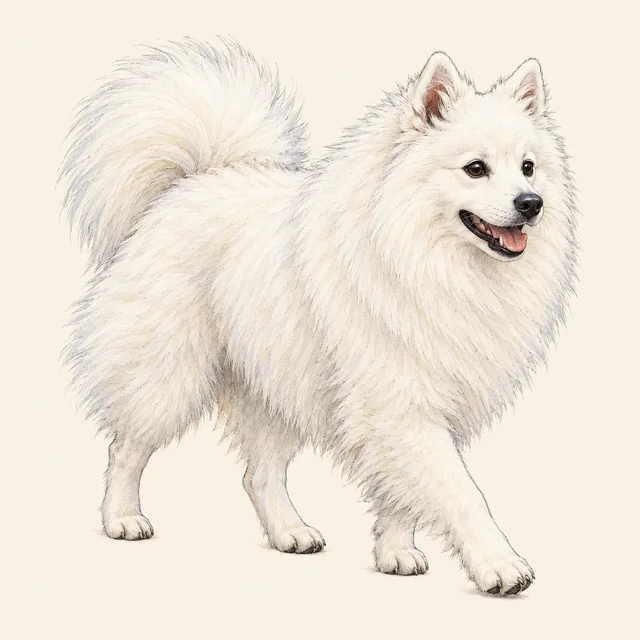
The Japanese Spitz is a white-coated breed established in the twentieth century, with recognition in Japan in 1948. Exports through Sweden helped introduce it to Europe. Its appeal is a crisp, familiar northern outline with a relatively modern international story; suggested ancestral contributions remain theories rather than a reason to promise particular inherited behaviour.
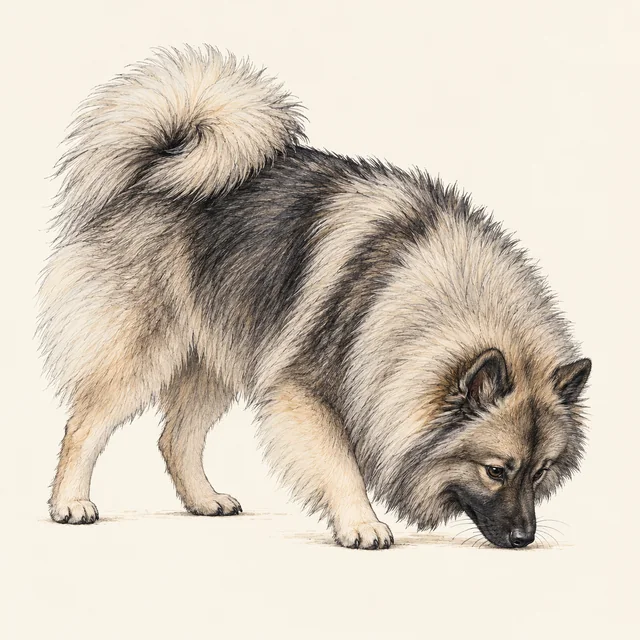
The Keeshond’s grey coat belongs to the Dutch barge-dog tradition. Its name recalls “Kees” de Gyselaer and the eighteenth-century Patriots’ movement, whose defeat also damaged the breed’s fortunes. Admirers enjoy a spitz with an unusually political history: a companion whose story travels between canal boats, national identity and the efforts of later enthusiasts.
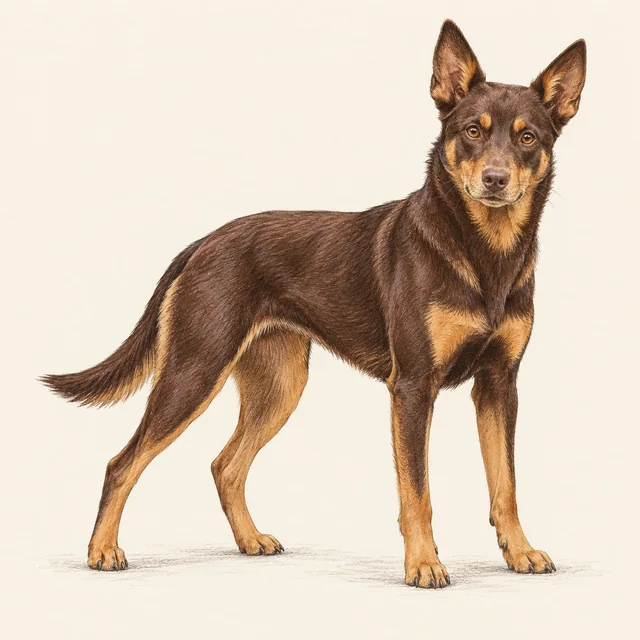
The Australian Kelpie’s lean, muscular outline reflects the demands of moving livestock across large areas. Its ancestry lies in British working collies and farm dogs adapted to Australian conditions. Admirers love a breed whose appearance is so closely connected to work; differences between working and show types make the individual’s background especially important.
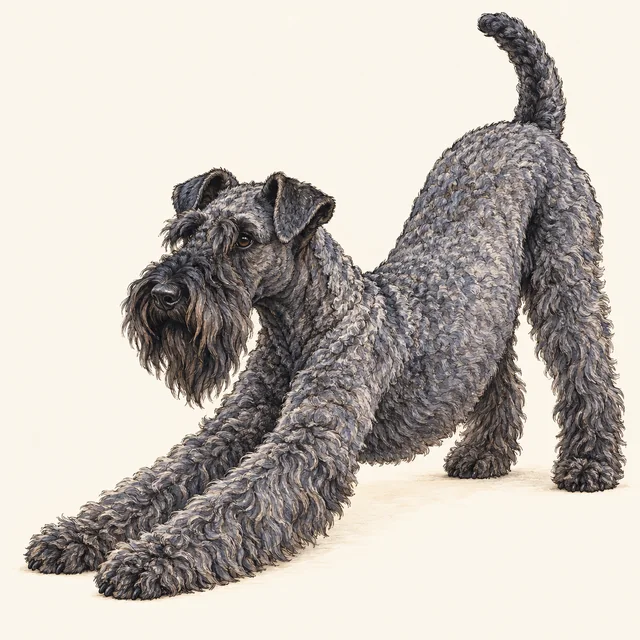
The Kerry Blue’s name joins an Irish county with its defining coat colour. Puppies begin dark and develop blue shades as they mature, while the silky texture adds to the breed’s appeal. Behind the glamour is a working terrier history; for enthusiasts, the fascination is a polished appearance that still carries a distinctly practical Irish identity.
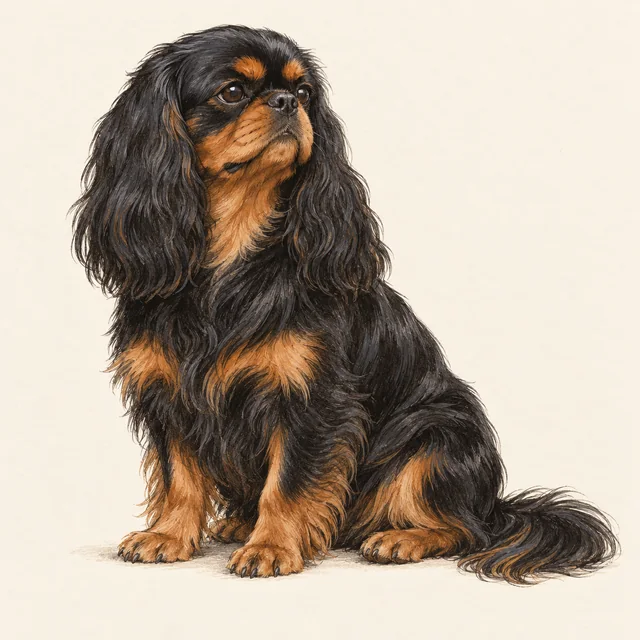
The King Charles Spaniel shares a royal toy-spaniel history with the Cavalier, but developed a smaller stature and different head shape. King Edward VII helped preserve the royal name. Admirers are drawn to that courtly identity; appreciating the breed today also means considering health and comfort alongside the appearance that earlier fashions encouraged.
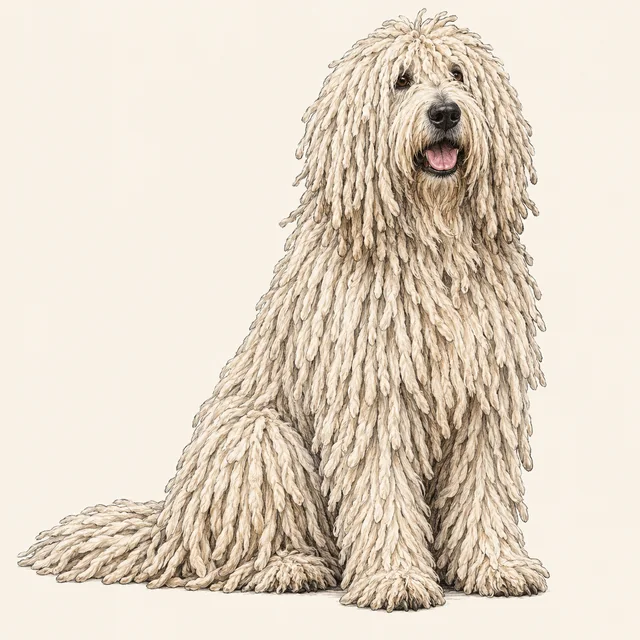
The Komondor’s mature corded coat makes a dramatic impression, covering a large Hungarian pastoral dog. Its story belongs with livestock protection rather than ornamental companionship. Admirers love an appearance unlike almost any other breed; understanding the strong guarding heritage beneath that coat is essential to seeing the whole dog, rather than just the spectacular silhouette.
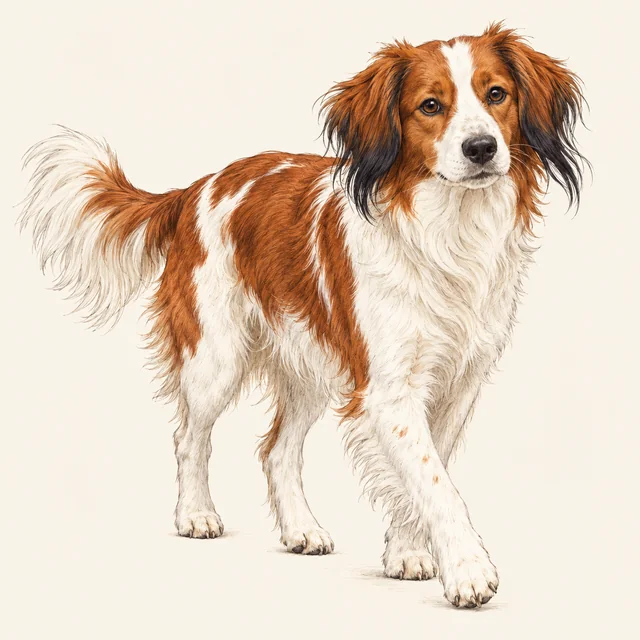
The Kooikerhondje’s white-plumed tail once helped lure ducks towards traps in the Netherlands. Its orange-red and white coat adds visual warmth to a highly unusual working story. Admirers enjoy that particular partnership with people: a small Dutch dog whose historic job was decoying, rather than the gun-based work usually associated with sporting breeds.
The Jindo is named for the Korean island that helped preserve its identity through geographical isolation. Its spitz outline belongs to a breed historically used for hunting and guarding, later recognised as a national treasure. Admirers value the strong cultural connection; that working background also makes individual experience and handling central to understanding a dog today.
The Korthals Griffon bears the name of Dutch breeder Edward Korthals, who worked to preserve the abilities of his wirehaired pointing dog. French and German hunting stock also contributed to the story. Its appeal is a rugged sporting identity with a named founder, reminding us how much some breeds owe to one enthusiast’s long-term vision.
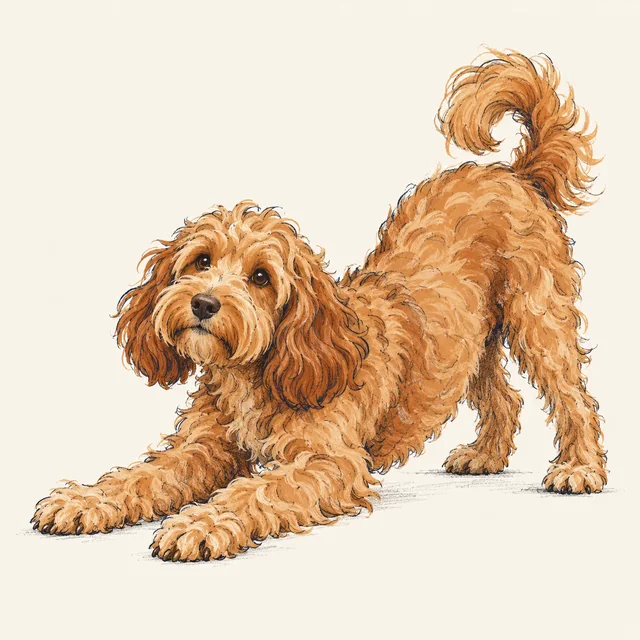
The Labradoodle’s Labrador-and-Poodle story became closely associated with Australian guide-dog work and the search for a dog suitable for an allergic household. That ambition is part of its history, not an allergy guarantee. Admirers enjoy an engaging modern cross with varied coats and a genuine partnership story, best understood through the dog’s own needs and character.
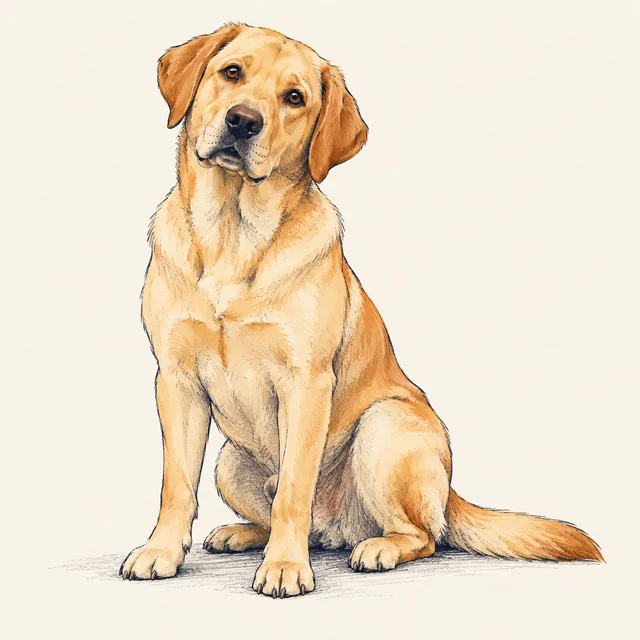
The Labrador’s roots lie in Newfoundland’s fishing communities, where dogs helped retrieve lines and nets. British sporting breeders later developed the modern retriever. Its enduring appeal is versatility: the registry describes roles ranging from gundog to guide and companion, a working history that gives this familiar face much more depth than a simple family-dog label.
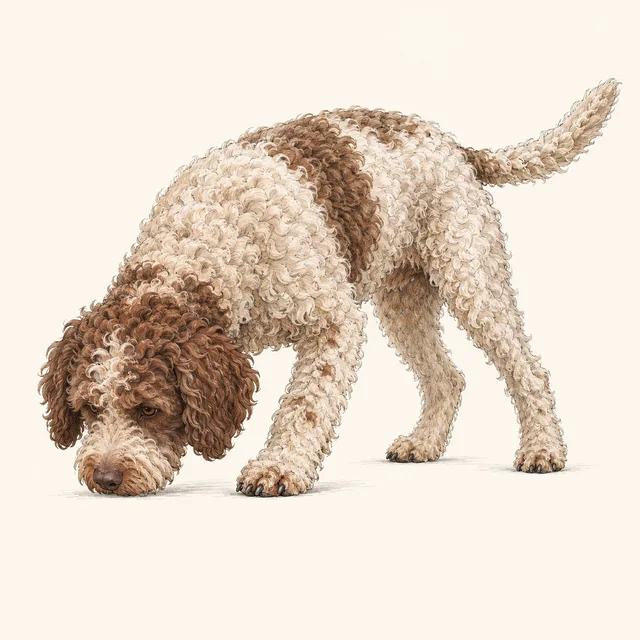
The Lagotto’s curls began with a water-retrieving dog from the marshes of northern Italy. When drainage changed the landscape, its scenting talents found another use: searching for truffles. Admirers love that remarkable change of career, as well as the woolly appearance—a breed whose history makes the connection between dogs, people and changing environments unusually vivid.
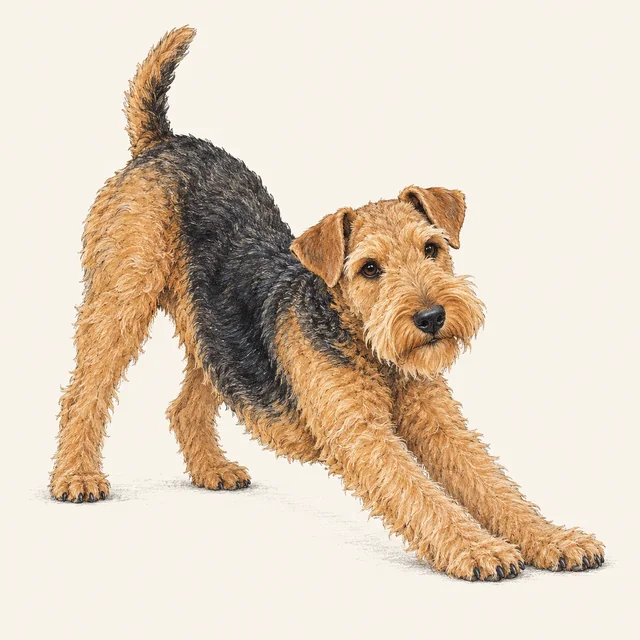
The Lakeland Terrier grew from working dogs in the valleys of Cumberland and Westmorland. It needed agility and stamina to accompany hounds and people across steep, rocky fells. Admirers enjoy a small breed with a large landscape in its history: the Lake District’s terrain helped shape its purpose long before the modern show ring.
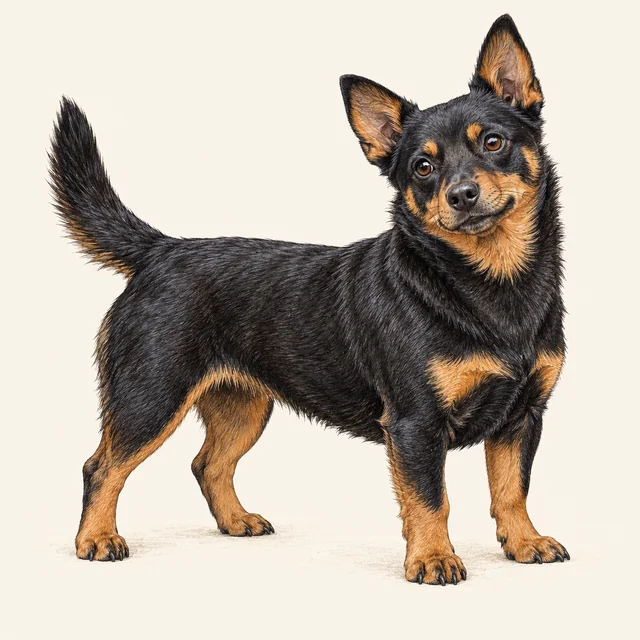
The Lancashire Heeler’s story follows cattle from Wales towards the markets around Ormskirk. Corgi and Manchester Terrier ancestry is thought to explain its low outline and black-and-tan features. Admirers enjoy that regional working connection: a small dog whose name brings together livestock, local trade and the north-west of England.
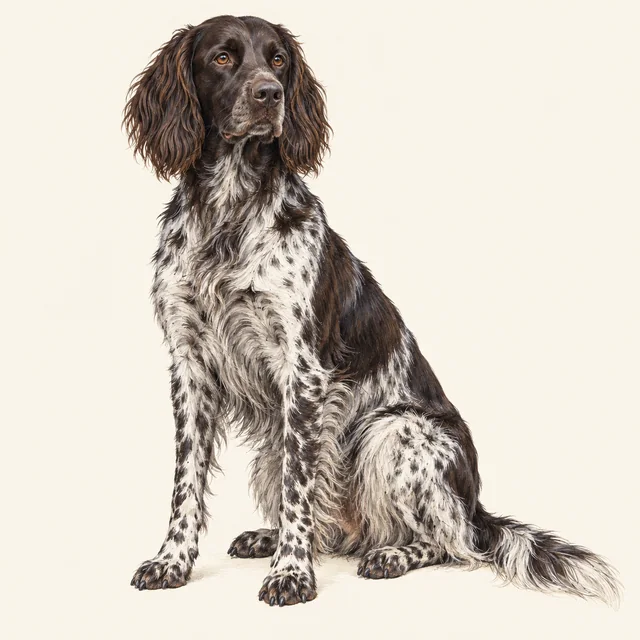
The Large Munsterlander shares early stock with the German Longhaired Pointer, but selective breeding established its black-and-white identity. Its first German breed club formed in 1919. Admirers enjoy the clean colour contrast and versatile sporting history: a familiar-looking gundog with a distinct place in the development of continental pointing breeds.
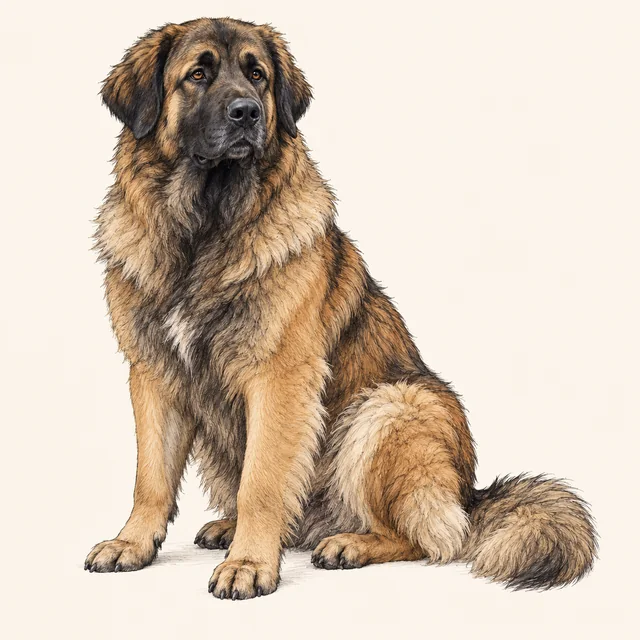
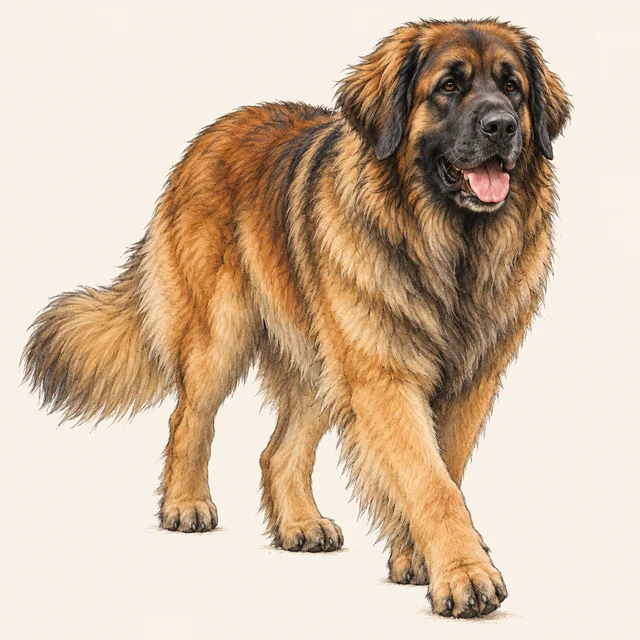
The Leonberger was created in the German town of Leonberg, where Heinrich Essig sought a dog with a lion-like appearance to echo the town’s heraldry. St Bernard and Newfoundland ancestry helped shape it. Admirers love the grand, warm-coloured outline and the companion character described by the registry—a remarkable local ambition made into a breed.
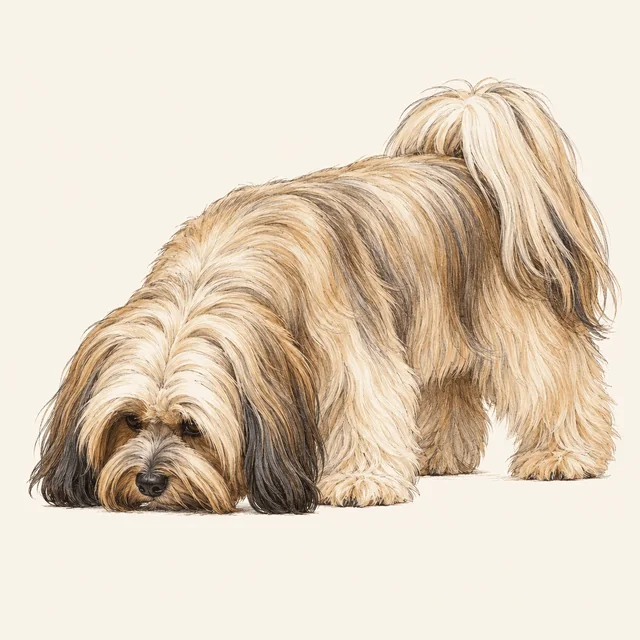
The Lhasa Apso’s long coat belongs to a Tibetan companion and monastery watchdog. Dogs were associated with good fortune and spiritual beliefs, lending the breed a history far beyond its modern show-ring appearance. Admirers enjoy that combination of small stature and cultural depth: an old companion tradition carried into the everyday home.
The Long Haired Pyrenean Sheepdog grew from local herding dogs in the French Pyrenees, with valleys developing their own types. It often worked beside the larger Mountain Dog, which guarded the flock. Its appeal is a small pastoral dog with a large job in its history, and an energetic identity beneath the long coat.
The Lowchen’s traditional clipped outline creates a little lion, with a mane-like front and plumed tail. Despite its German name, the breed is thought to have French origins within the Bichon family. Admirers enjoy the playfulness of that historic appearance: a small companion whose styling once carried the symbolism of a much larger animal.
A Lurcher is a type, bringing sighthound ancestry together with other working dogs rather than following one fixed recipe. That variety is part of its appeal: each dog can have its own mix of silhouette, coat and history. For admirers of athletic hounds, meeting a Lurcher means discovering a particular dog rather than ticking off a standardised portrait.
The Malshi links the Maltese’s Mediterranean companion history with the Shih Tzu’s Chinese and Tibetan connections. Purina associates this modern cross with the United States. Its appeal is a small companion with rich ancestral stories and varied coat possibilities, while the name cannot settle which features or personality the individual will actually have.
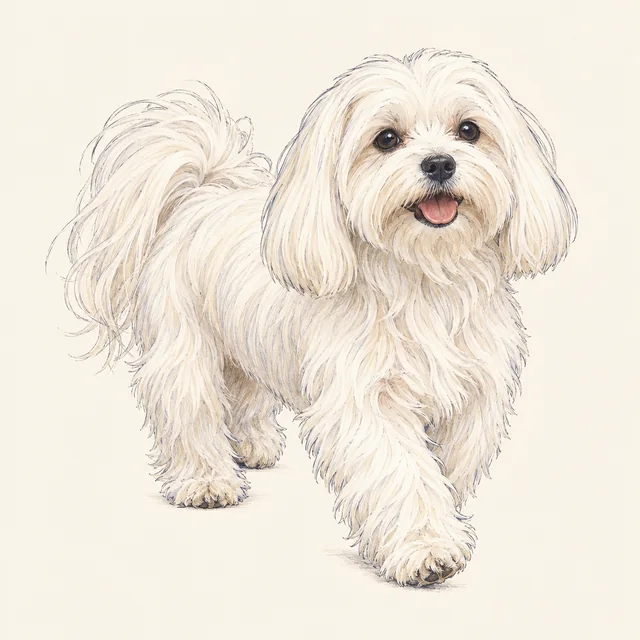
Long, silky white hair gives the Maltese its unmistakable companion-dog appearance. Its history is associated with small Mediterranean dogs and trade routes, while Malta’s Royal Library holds an early nineteenth-century portrait of the type. Admirers love its pale, flowing coat, with centuries of cherished companionship behind the modern picture.
The Maltipoo brings Maltese and smaller Poodle ancestry together, connecting Mediterranean companion dogs with a family descended from water retrievers. Purina places the modern cross in the United States. Admirers are drawn to its small scale and possible soft-coated appearance, while the individual’s grooming needs, temperament and allergy suitability remain separate questions.
The Manchester Terrier’s sleek black-and-tan outline belongs to industrial Britain, where it worked against rats around towns and mills. Whippet influence is part of its ancestry. Admirers enjoy a city terrier with unusual elegance: its history tells as much about the changing urban world as about the development of a breed.
The Maremma’s story follows Italy’s flocks between seasonal grazing grounds. The registry associates its development with dogs from the Abruzzo mountains and Maremma plains. Admirers see a strong pastoral identity in this white sheepdog, whose traditional protective work continues to matter when considering how an individual might live in a modern household.
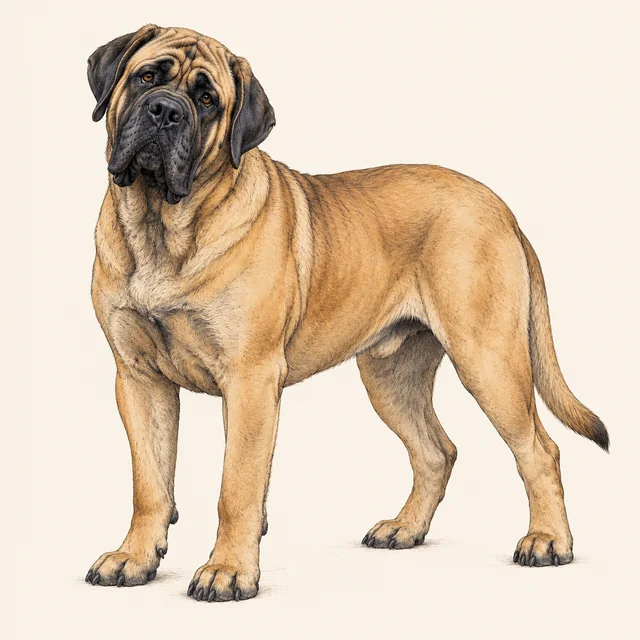
The Mastiff’s enormous presence belongs to a long British working history, including guarding and earlier blood sports. After the Second World War, North American-bred dogs helped restore the breed in Britain. Its appeal includes both imposing scale and a story of survival; responsible enthusiasts prize sound movement rather than size or exaggeration for their own sake.
The Miniature American Shepherd developed in the United States from smaller Australian Shepherds. Equestrian communities helped popularise a compact working dog that could travel with its people. Admirers enjoy the colourful, athletic pastoral identity in a smaller frame; that scale does not erase the breed’s history of active livestock work and shared tasks.
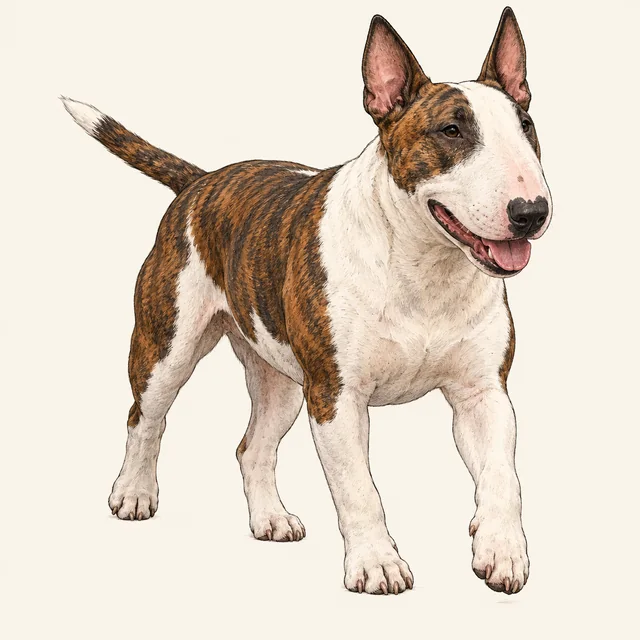
The Miniature Bull Terrier concentrates the Bull Terrier’s distinctive outline into a smaller frame. Recognised as a separate variety in 1943, it developed through selection of smaller dogs rather than a completely separate ancestry. Its appeal is that familiar individuality at a different scale, with soundness as important as preserving the characteristic look.
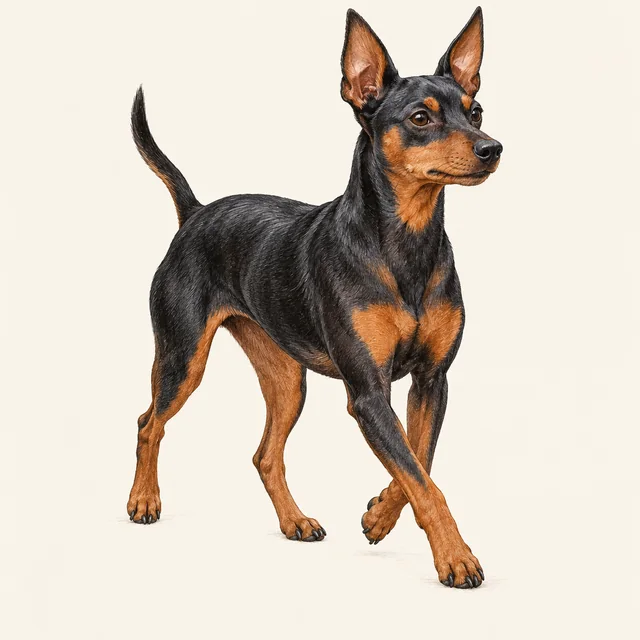
The Miniature Pinscher brings Germany’s vermin-hunting Pinscher ancestry into a compact body. Its first German club formed in 1895, before later popularity abroad. Admirers enjoy the neat, purposeful outline and, in Britain and America, the distinctive high-stepping movement; this little companion’s history began with a practical job rather than ornament.
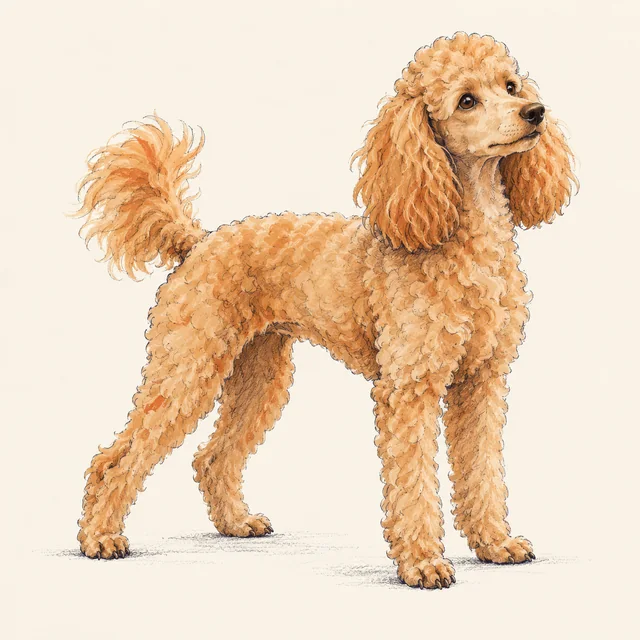
The Miniature Poodle carries a German water-retriever history in a smaller frame. Even the traditional clipped outline began with a practical purpose for swimming, rather than fashion alone. Admirers enjoy that surprise: beneath the carefully maintained coat is a sporting ancestry, scaled down into one of the registry’s three Poodle varieties.
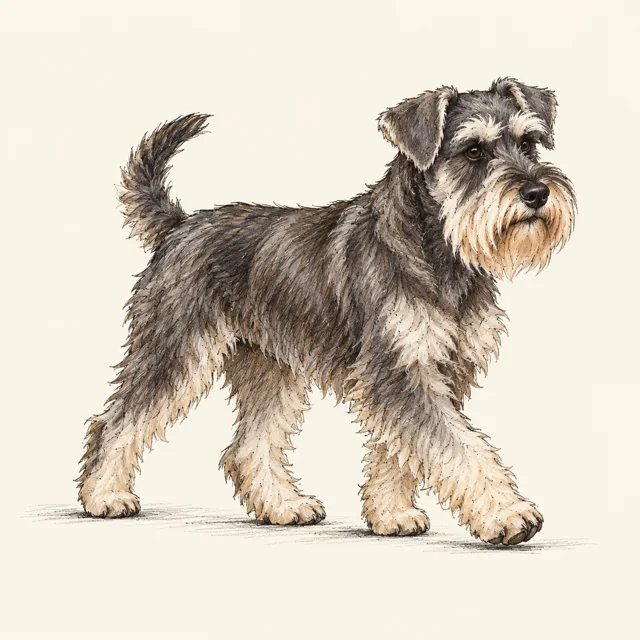
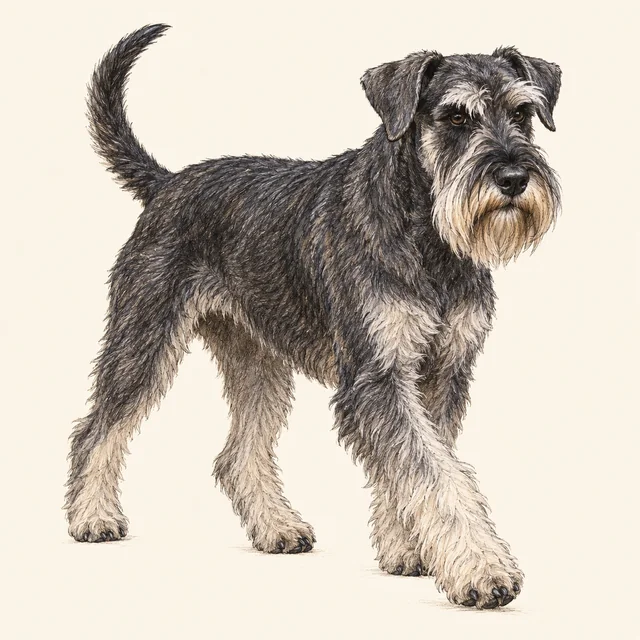
The Miniature Schnauzer is a smaller branch of an old German breed, with the miniature variety recorded in 1888. Affenpinscher influence is thought to have helped reduce its size. Its appeal is the concentration of a substantial working identity into a compact companion: smaller in outline, without losing the breed’s distinctive spirit in the registry’s description.
The Morkie joins Maltese and Yorkshire Terrier ancestry, bringing a Mediterranean companion tradition into contact with industrial Britain’s terriers. Purina describes a modern American cross. Its appeal includes small stature and varied, characterful coats; that appealing family story should lead to discovering the actual dog, rather than expecting a settled blend of parental personalities.
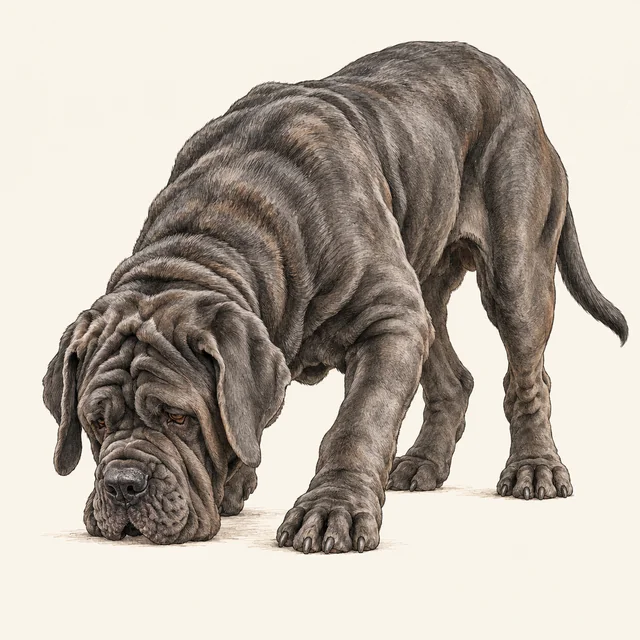
The Neapolitan Mastiff’s modern identity developed around Naples, with a breeding programme helping establish its show-ring form after the Second World War. Older origin stories reach much further back but are less certain. Admirers are drawn to its formidable presence; appreciation of the breed should favour comfort and moderation rather than exaggerated folds or bulk.
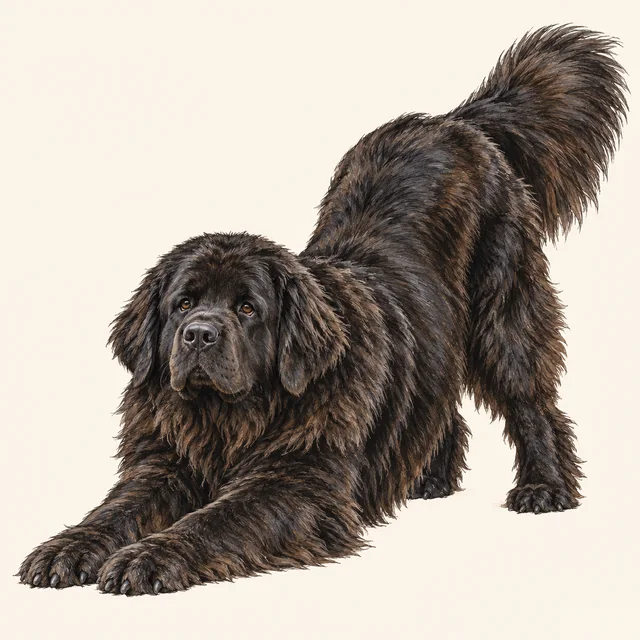
The Newfoundland’s story belongs to north-eastern Canada and work with fishermen, boats and heavy loads. Its coat and webbed feet suited water work, while later roles included rescue. Admirers love the idea of strength used in partnership with people: a giant breed whose history gives real substance to the familiar picture of a gentle companion.
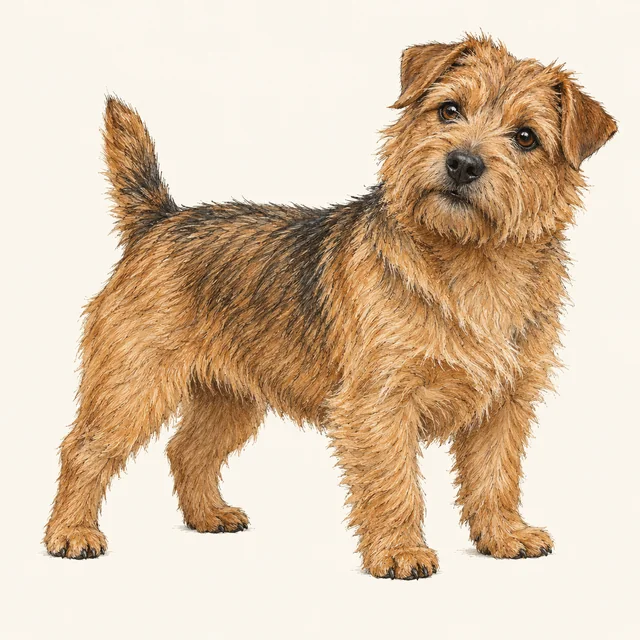
The Norfolk Terrier’s folded ears distinguish it from the prick-eared Norwich, though both were once shown as a single breed. Separate recognition came in 1964 after a long campaign. Admirers enjoy a sturdy little terrier with a regional name and a fascinating family split: a subtle visual difference that helped create two modern breed identities.
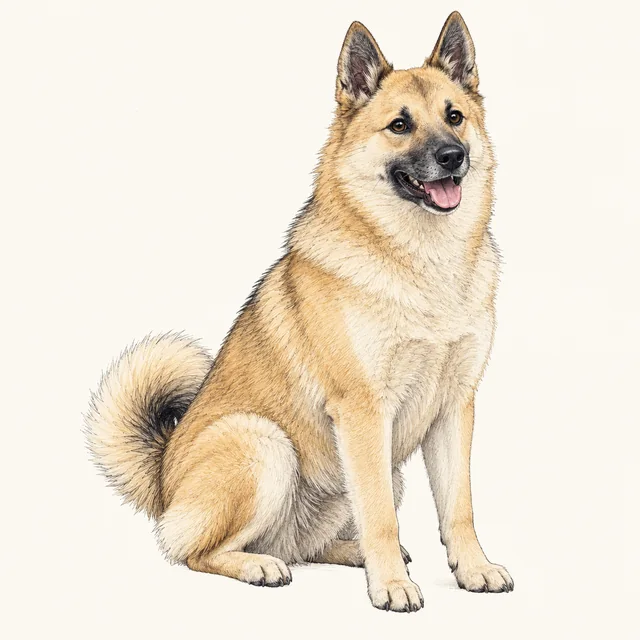
The Norwegian Buhund’s name points to the homestead, where it herded sheep and watched the farmyard. Archaeological finds suggest dogs of similar type were valued in the Viking world. Admirers enjoy the curled-tail spitz outline and pastoral story; the ancient resemblance is intriguing without proving an unchanged pedigree across centuries.
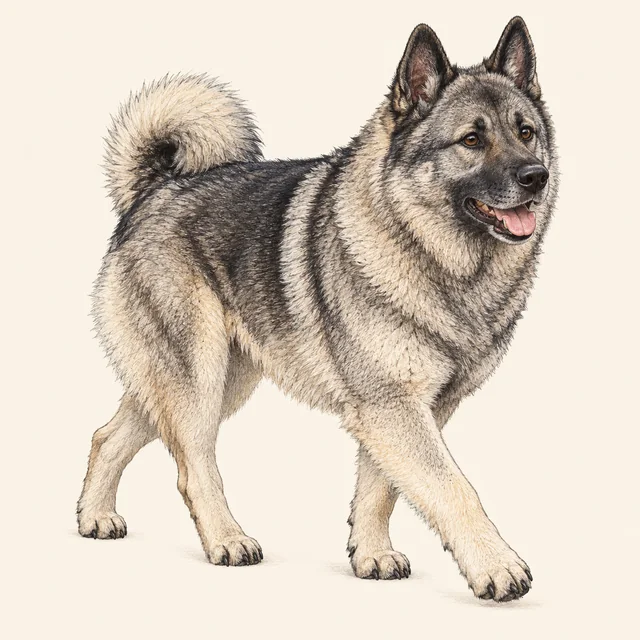
A grey coat and strong spitz outline identify Norway’s Elkhound. Its traditional work involved tracking elk and using its voice to help the hunter. Admirers are drawn to a dog closely associated with Nordic woodland life; the working history gives that handsome appearance a purpose and helps explain why voice belongs in its portrait.
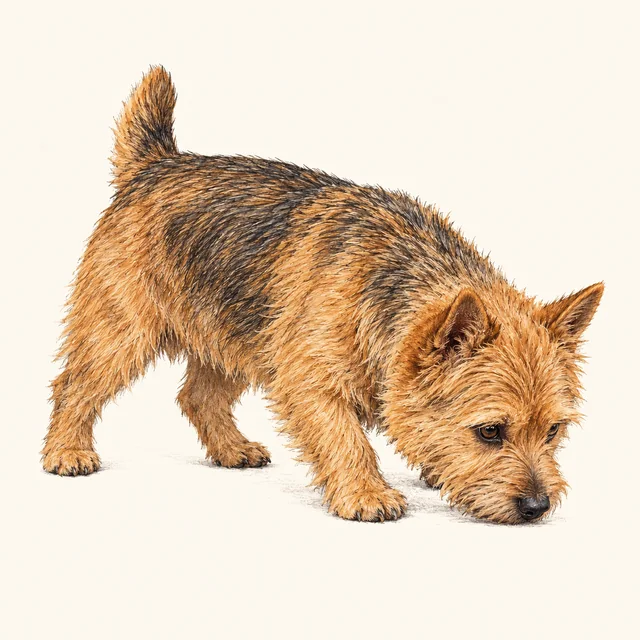
The Norwich Terrier’s upright ears give a sharp expression to a small, substantial body. It shares early breed history with the folded-eared Norfolk, from which it formally separated in 1964. Admirers love that alert-looking face and regional identity: an East Anglian terrier whose modern story turns on a surprisingly small difference in appearance.
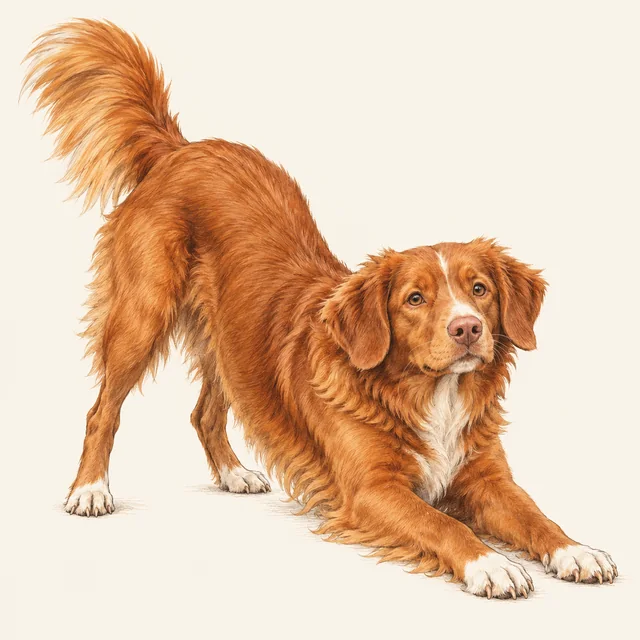
The Toller comes from Canada’s Nova Scotia, where its unusual job was to lure wildfowl closer before retrieving. A richly coloured coat and active tail helped make it memorable. Admirers enjoy a retriever with a particularly inventive working story; the intelligence and activity described by the registry are part of the attraction, not incidental extras.
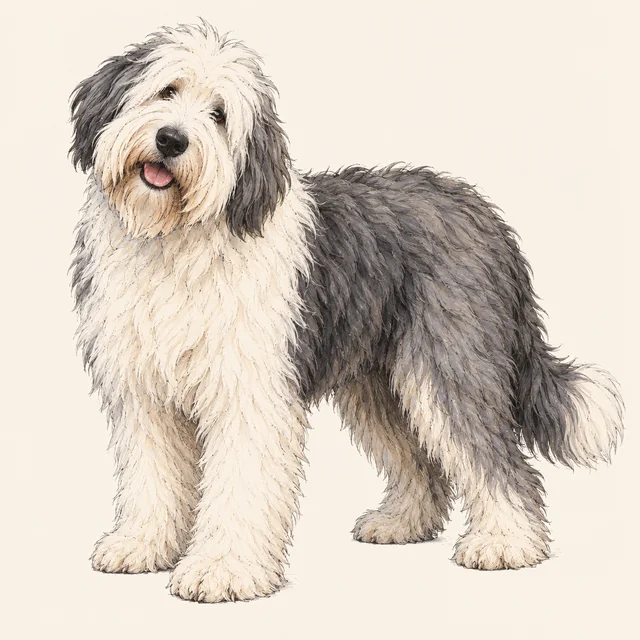
The Old English Sheepdog’s abundant blue-and-white coat conceals a substantial pastoral dog. Its precise ancestry and even aspects of its traditional name remain debated. Admirers love the dramatic silhouette, but its story is more interesting than the old “Bobtail” nickname: a working dog whose modern appearance should still permit comfortable, capable movement.
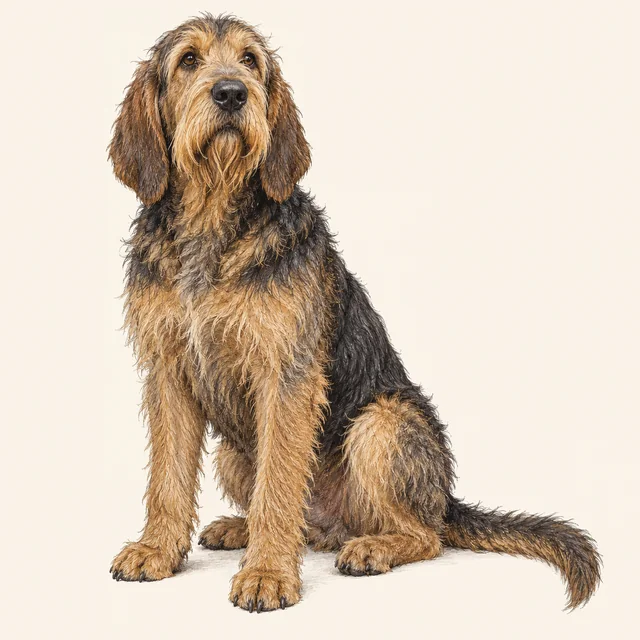
The Otterhound’s oily double coat, webbed feet and strong nose reflect a specialised British hunting history. When otter hunting was banned, enthusiasts worked to preserve the breed. Its appeal is an unusually rugged hound identity with a conservation story attached; the coat and distinctive presence belong to a job that helped shape the whole dog.
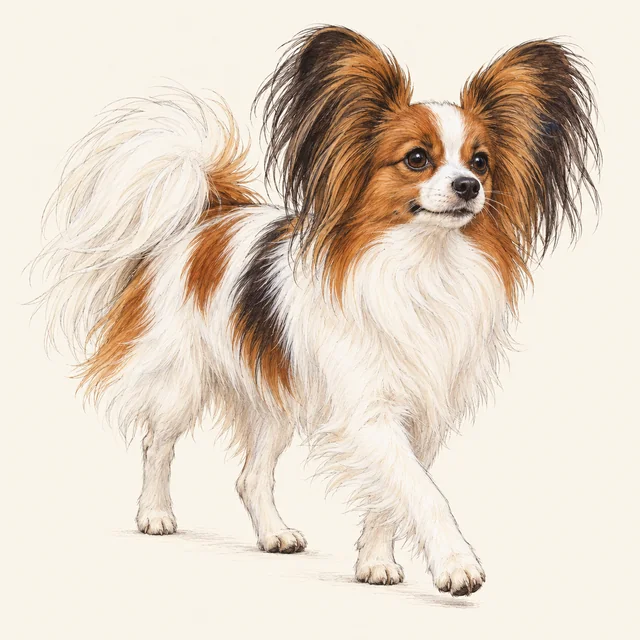
The Papillon’s fringed upright ears suggest butterfly wings, giving the breed its French name. Its drop-eared relative, the Phalène, recalls a moth instead. Admirers enjoy this delicate-looking continental toy spaniel with a history in European courts; the registry also describes success in agility and obedience, adding an active chapter to the decorative portrait.
The Parson Russell takes its name from the Reverend John Russell, whose terrier Trump became central to its early story. It developed for underground work while retaining enough stamina to accompany hounds. Admirers enjoy a breed with a named person and dog at its historical centre—a compact worker whose pedigree story is unusually personal.
The Patterdale’s name leads to a Lake District village and Joe Bowman’s working-terrier breeding. Purina treats these dogs as a type, with practical abilities shaping their development more than uniform appearance. Admirers value that rugged regional identity: a dog whose story belongs to the fells and demanding work, rather than a carefully standardised decorative outline.
Size
Conflicting or not a single value in the publisher guide
Coat care
Conflicting or mixed in the publisher guide; treated as unknown
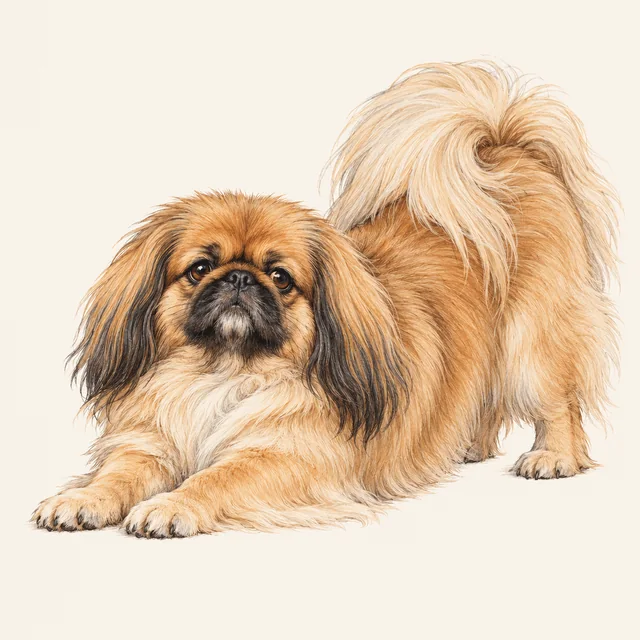
The Pekingese’s history leads to China’s imperial palace, where dogs of its type were cherished by elite households. Its later arrival in Britain followed the violent events of 1860, a chapter best told without romance. Admirers value its distinctive bearing and character, while a modern appreciation must put comfortable breathing, eyes and movement before fashionable extremes.
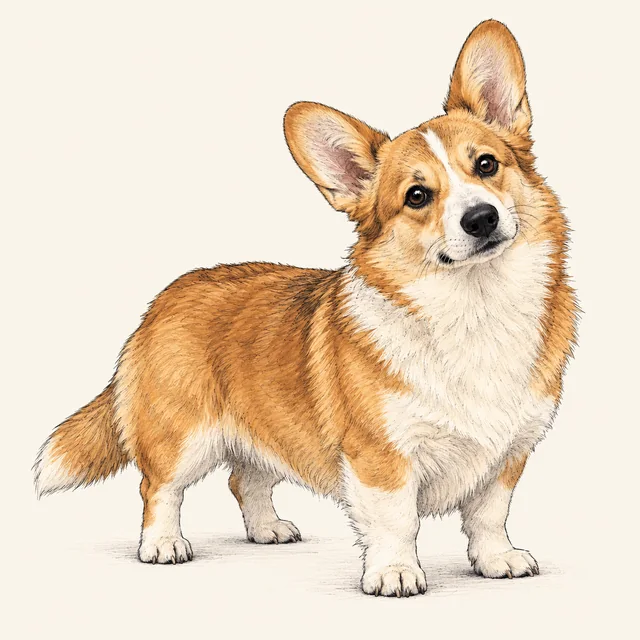
The Pembroke Corgi’s royal connection runs from King George VI to Queen Elizabeth II, helping make this Welsh breed widely recognisable. It differs in outline from its Cardigan relative. Admirers love the meeting of low-bodied pastoral identity and royal companionship: a farm-dog family with an unusually public modern story.
The Petit Basset Griffon Vendéen offers a smaller, more moderate outline than its Grand cousin. Its crisp coat should keep a rustic finish rather than elaborate trimming. Admirers enjoy that appealingly untidy French hound identity: a breed whose charm depends partly on looking like a country dog, rather than a carefully polished ornament.
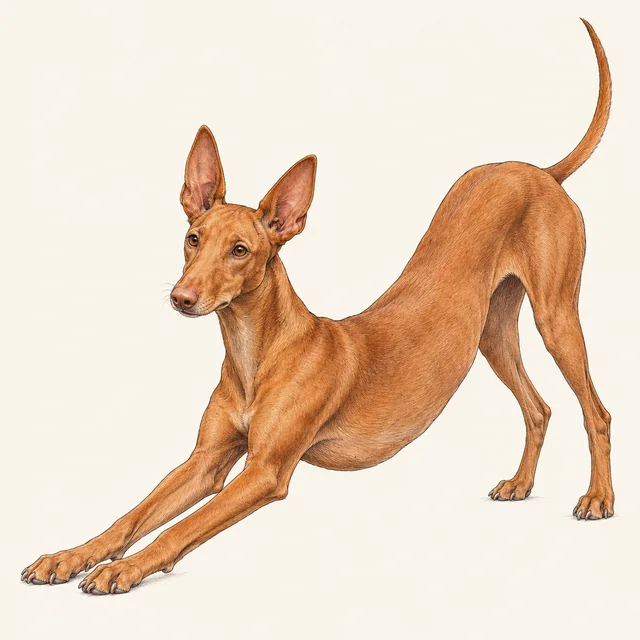
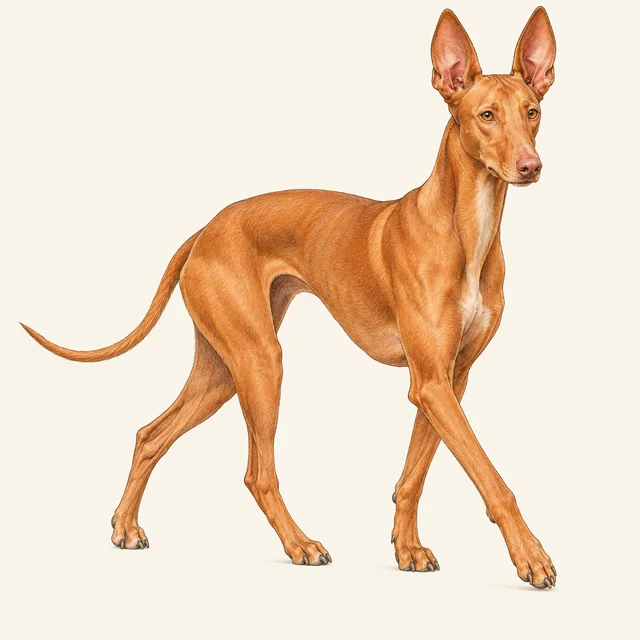
The Pharaoh Hound’s name suggests Egypt, but the modern breed’s homeland is Malta, where it hunted rabbits. Its outline resembles dogs in ancient imagery, a resemblance distinct from documented ancestry. Admirers enjoy the elegant silhouette and Mediterranean working history; the most compelling portrait keeps that real island connection alongside the evocative name.
Upright ears and a harsh coat give the Picardy Sheepdog its distinctive French pastoral outline. Early examples were shown with Briards and Beaucerons before it gained its own standard. Admirers enjoy a rustic sheepdog with a long regional story; older artworks may show similar dogs, but cannot by themselves establish a modern breed identity.
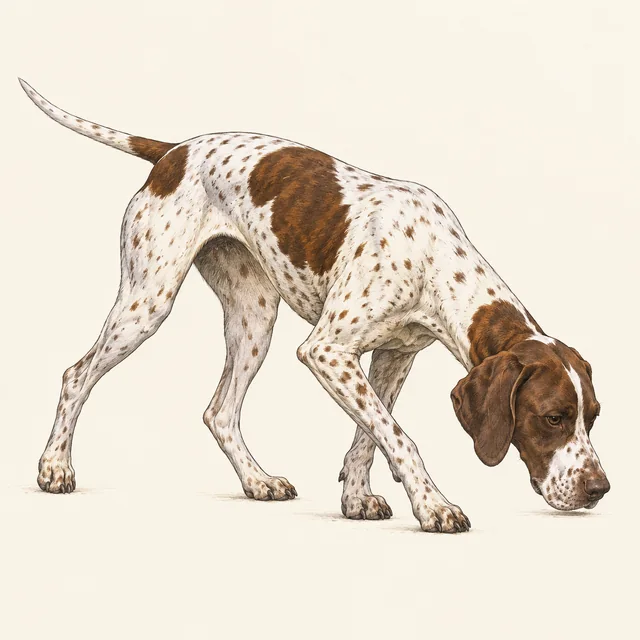
The Pointer’s flowing outline belongs to the dramatic moment of locating game and freezing in place. Its historical work on open ground made it a favourite of eighteenth- and nineteenth-century sporting households. Admirers love the elegance of purpose: the breed’s beauty is most vivid when its appearance and the job behind its name are understood together.
Known in Poland as Gończy Polski, this scent hound worked through forest and mountain terrain, traditionally hunting boar. Black-and-tan, brown-and-tan and red coats appear within the breed. Admirers are drawn to a purposeful Polish hound with a strong landscape connection; its active working history deserves as much attention as its handsome finish.
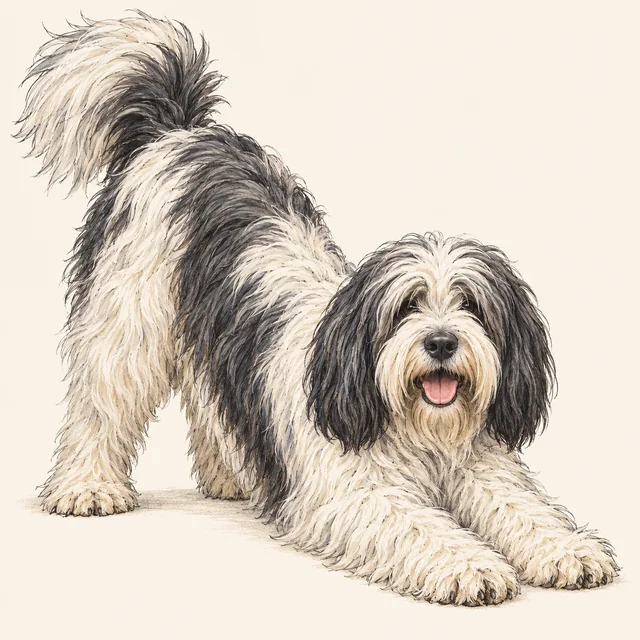
The Polish Lowland Sheepdog is affectionately called the PON, from its Polish name Polski Owczarek Nizinny. Its story includes possible links with dogs carried to Scotland by Polish sailors. Admirers enjoy a compact pastoral breed whose history may connect communities across the sea, while those proposed ancestral links remain possibilities rather than settled facts.
The Pomapoo joins the Pomeranian’s miniature spitz identity with a Toy Poodle. Purina associates its modern companion-cross development with the United States. Admirers enjoy the idea of a little dog with varied textures and a distinctive family story; the appealing name does not make coat, shedding or personality predictable in the individual.
Size
Small (publisher guide)
Coat care
Daily grooming advised for coats that mat; the coat varies (publisher guide)
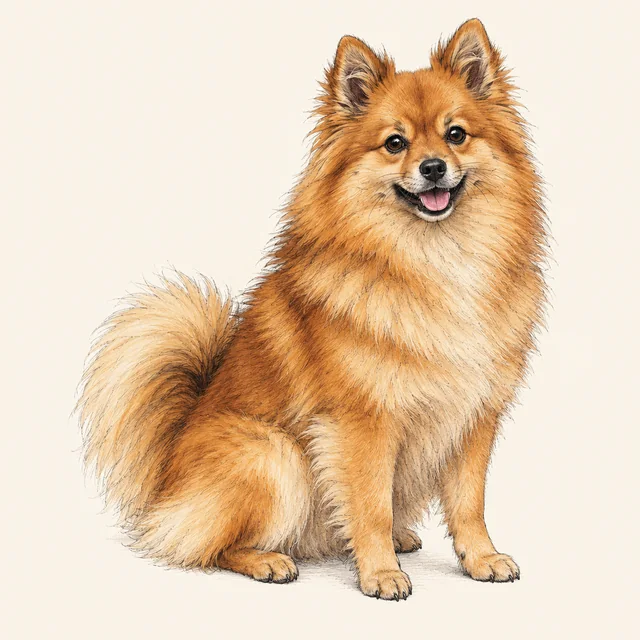
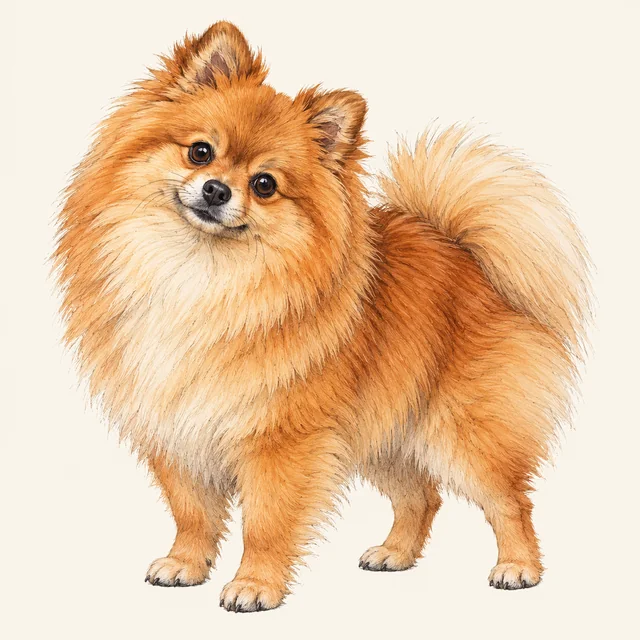
The Pomeranian is the smallest spitz, developed from larger German Spitz stock. Queen Victoria’s enthusiasm helped bring it into fashion in Britain. Admirers love the contrast between diminutive scale and the extrovert character described by the registry: a little companion whose royal history sits on top of a much larger breed family.
The Pomsky’s Pomeranian-and-Husky ancestry brings together two very different scales of the spitz family. Purina describes a recent American cross whose appearance is not settled. Its appeal is obvious to lovers of northern-looking dogs, but the label cannot promise a miniature Husky or a less demanding version of a sled dog.
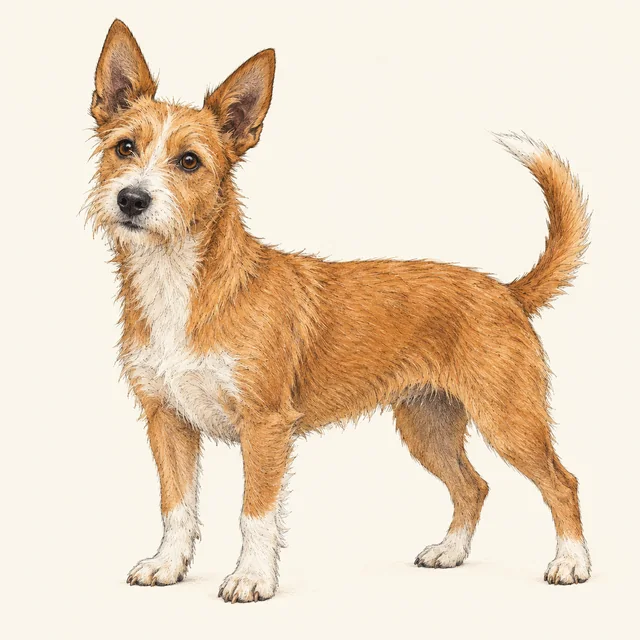
The Portuguese Podengo’s name recalls rabbit hunting, once an important part of its working life alongside household vermin control. Its native tradition includes several sizes and two coat types. Admirers enjoy a breed with both rustic purpose and companion appeal; the variety makes understanding the particular size and coat more useful than relying on the name alone.
The Portuguese Pointer’s broader head and substantial bones give it a different outline from the familiar Pointer. Its earlier work included finding game for falconers, before guns changed hunting. Admirers enjoy that old partnership story: a pointing dog whose frozen indication once told a person when to release a hawk.
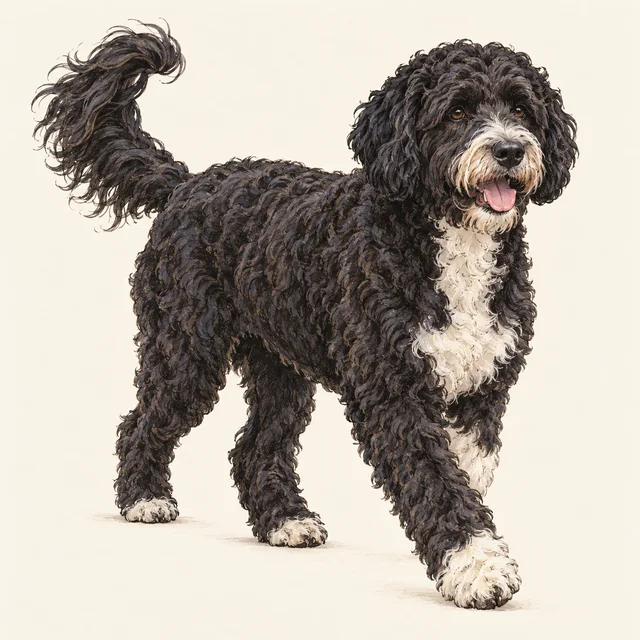
The Portuguese Water Dog’s maritime history includes carrying messages between boats and retrieving lost nets. Modern fishing technology helped displace its old jobs, before enthusiasts renewed interest in the breed. Admirers love a dog whose story is so closely tied to people at sea; even its traditional clipped outline is associated with movement through water.
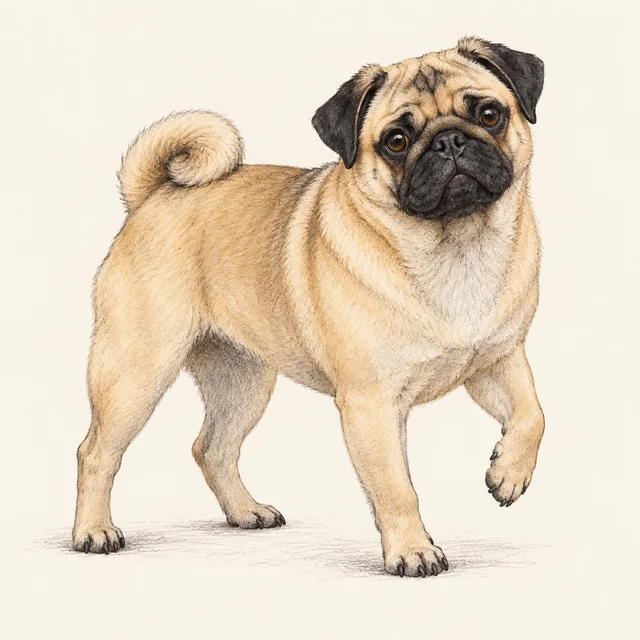
The Pug’s companion history leads from China into Dutch and British court circles. The traditional phrase “multum in parvo”—much in little—captures the appeal of its compact presence. Admirers cherish the character described by the registry, while a humane modern portrait gives comfortable breathing and other health concerns equal weight with that unmistakable face.
The Puggle joins the Pug’s companion-dog story with the Beagle’s pack-hound heritage. The modern cross became especially familiar in the United States, according to Purina’s overview. Admirers enjoy that unusual meeting of expressive faces and different working backgrounds; appearance, breathing comfort and behaviour need individual assessment rather than a promise of improvement through crossing.
The Pyrenean Mastiff comes from the region between Aragon and Navarra, where it guarded livestock against large predators. Its pale coat with coloured markings covers a powerful pastoral body. Admirers enjoy an impressive mountain-dog identity; the protective history beneath that handsome exterior is essential to understanding the breed beyond size alone.
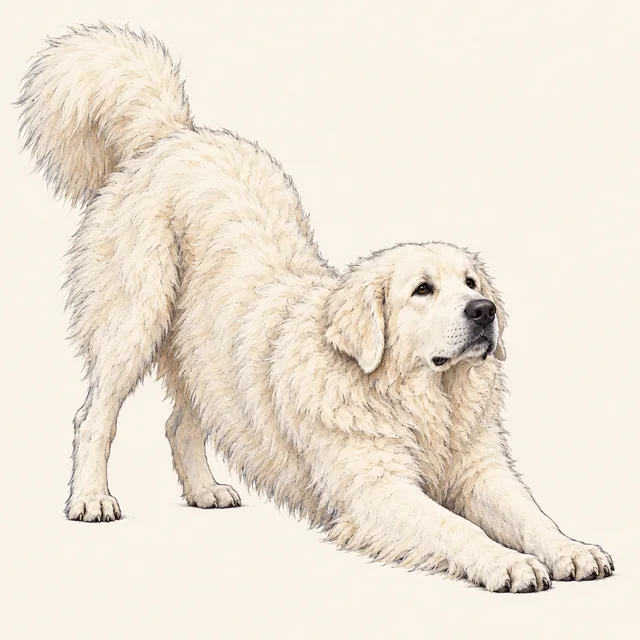
The Pyrenean Mountain Dog’s history links mountain flocks with French royal courts; Louis XIV named it the Royal Dog of France. It also served with the French army during the Second World War. Admirers love the grandeur of this pastoral breed, with a story that moves unusually naturally between rugged work and aristocratic surroundings.
The Smooth Faced Pyrenean Sheepdog shares ancestry with the longer-haired variety, but historically worked more in the lower foothills with horses and cattle. Its French name, face rase, describes the shorter facial hair. Admirers enjoy a distinctive expression of the Pyrenean herding tradition, with terrain helping explain the differences between related dogs.
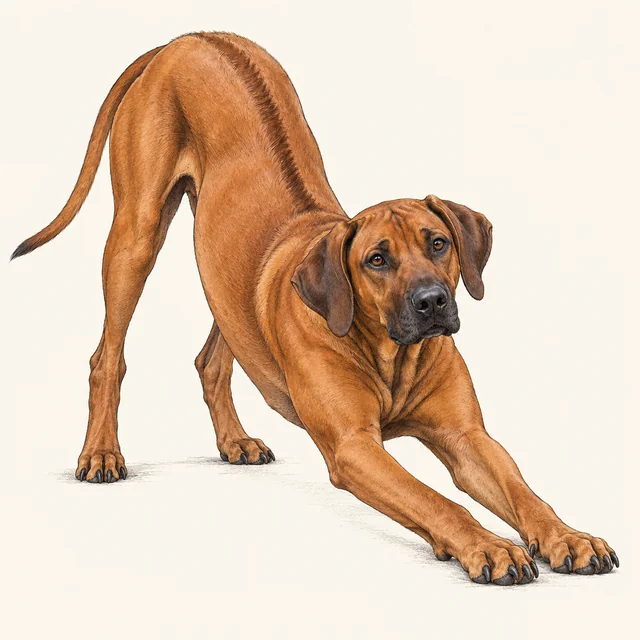
The Ridgeback’s reverse-growing strip of hair makes its name visible along its spine. Developed in southern Africa, it has ancestry linked to dogs of the Khoikhoi people and a history of tracking game. Admirers enjoy the strong outline and distinctive coat feature; historical lion-tracking stories should add context, rather than turn the dog into a romanticised hunting legend.
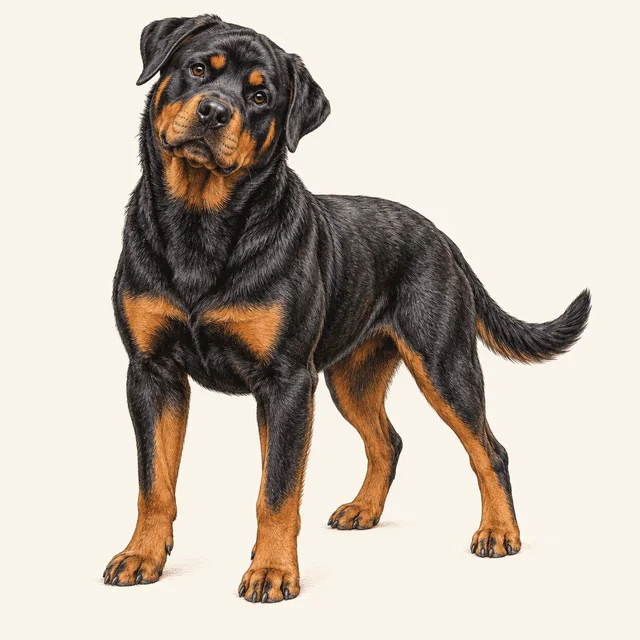
The Rottweiler’s name recalls the German livestock-market town of Rottweil, where cattle dealers needed dogs that could drive animals and guard property. Its story later expanded into police and military work. Admirers value that substantial working identity and partnership tradition; a realistic portrait understands the original job and considers each dog’s behaviour and training individually.
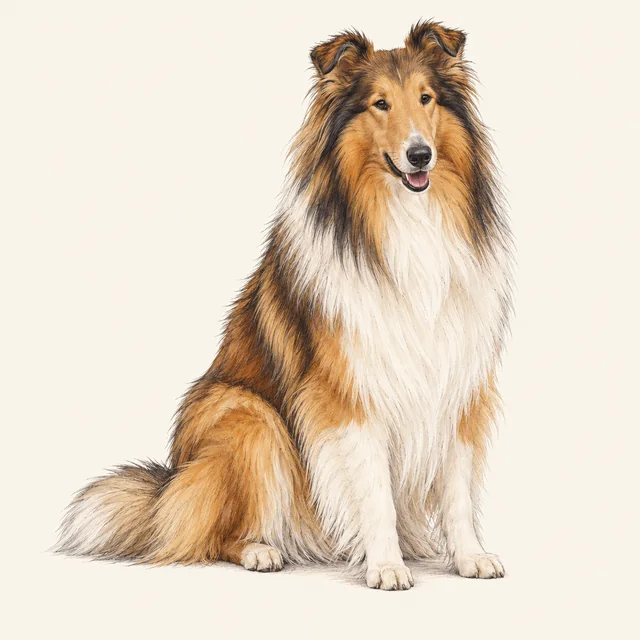
The Rough Collie’s abundant coat belongs to Scottish sheepdog ancestry shared with the Smooth Collie. A sable dog named Old Cockie helped popularise a colour that became especially familiar. Admirers enjoy the graceful, richly coated outline, with Queen Victoria’s interest adding a royal chapter to a breed whose roots remained pastoral.
The Russian Black Terrier developed after the Second World War as a military service and guarding dog. Giant Schnauzer, Airedale and Rottweiler ancestry contributed to the breeding programme. Its appeal is an imposing, purposeful identity with a traceable modern origin; the coat and scale belong to a serious working story rather than companion styling alone.
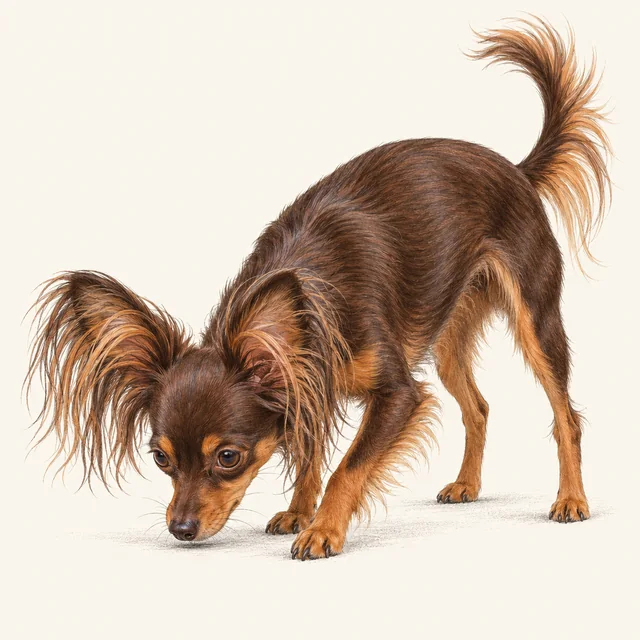
The Russian Toy comes in smooth and long-haired coats, the latter with distinctive ear fringes. Its modern type stabilised in the 1950s, with older roots in watchdog and rodent-control work. Admirers enjoy a small, lively-looking companion whose decorative appearance has practical ancestry, and whose two coats offer different expressions of the same breed identity.
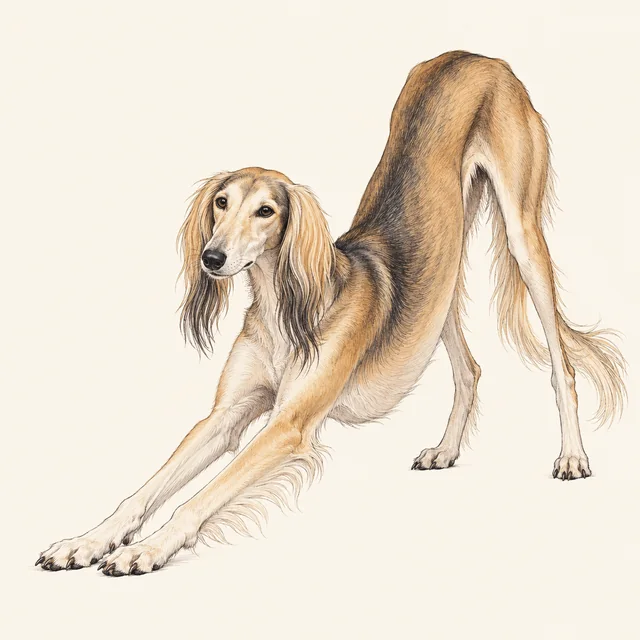
The Saluki’s light, elegant outline belongs to a Middle Eastern hound prized by Bedouin communities alongside their horses. Its working history includes hunting with riders and falcons across different terrain. Admirers love the graceful movement and fine silhouette, with variations in size and substance reflecting the landscapes in which these dogs worked.
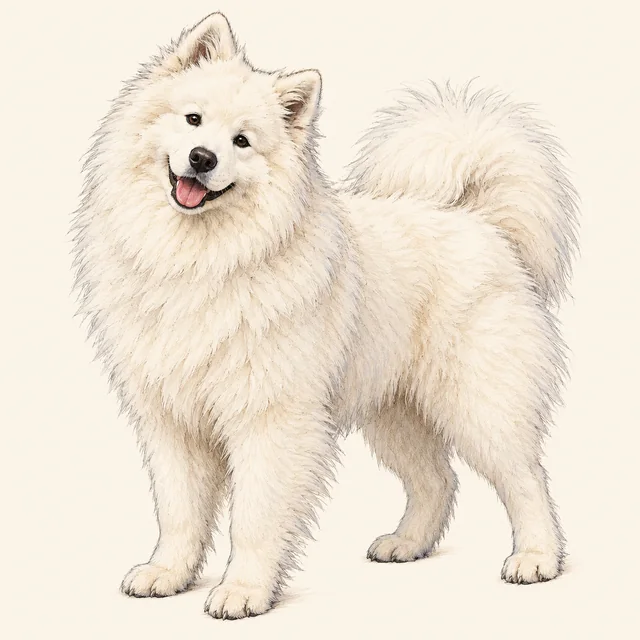
The Samoyed’s pale double coat belongs to a versatile Arctic worker from north-eastern Siberia. Dogs herded reindeer, guarded, hunted and hauled loads alongside northern communities. Admirers enjoy the magnificent winter appearance; one dog influential in Britain, Antarctic Buck, also carried an expedition-survivor’s story into the development of the modern breed.
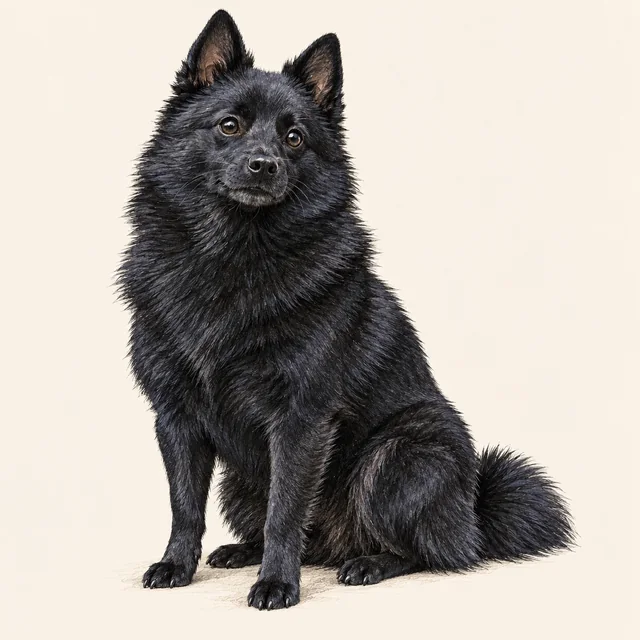
The Schipperke’s name means little skipper or boatman, recalling its work on Belgian barges as watchdog and rodent hunter. Queen Marie Henriette’s interest later helped bring it into fashion. Admirers enjoy a small breed with a big local story: a working person’s boat dog that found its way into royal companionship.
The Schnoodle brings together Schnauzer and Poodle ancestry, with different parent sizes making this a particularly varied cross. Its appeal includes the possibility of a characterful textured coat and a partnership rooted in two working families. The name covers many actual dogs, so discovering the parents and the individual matters more than imagining a single standard portrait.
The Scottie’s short back, strong neck and long head create an unmistakable outline. Once called the Aberdeen Terrier, it developed within Scotland’s working-terrier tradition before gaining its national name. Admirers love that substantial small-dog presence and the independent character described by the registry; its silhouette is a compact piece of Scottish breed history.
The Sealyham takes its name from the Pembrokeshire home of Captain John Owen Edwardes, who developed a short-legged working terrier. Later decades brought popularity as a show dog and companion. Admirers enjoy its distinctive Welsh identity and country-house origins, while the original hunting history deserves honest treatment rather than a purely decorative account.
The Shar-Pei’s name refers to its harsh, sandy-textured coat. This Chinese breed has a complex history involving hunting, guarding ancestry and fighting, followed by near loss and revival. Admirers are drawn to its unusual appearance; a humane modern portrait values moderate skin folds, comfortable eyes and sound health above exaggerating the features that make it distinctive.
The Sheepadoodle combines Old English Sheepdog and Poodle ancestry, usually with a Standard Poodle parent. Its appeal is an eye-catching, textured companion with two substantial working stories behind it. Coat, size and behaviour remain variable, however; the cross’s modern name does not erase the need to understand the dog’s own grooming and everyday life.
Size
Varies; the publisher gives no single size
Coat care
Thorough daily brushing advised; coat varies a great deal (publisher guide)
The Shetland Sheepdog comes from the small Scottish islands that also gave us the Shetland pony. It shares proposed ancestral links with other Scottish sheepdogs, while developing its own identity. Admirers enjoy a small pastoral breed with rich hair and a history that extends from island work into agility, obedience and companionship.
The Shih Tzu’s story is generally associated with China and Tibetan breed ancestry. Early examples shown in England appeared alongside Lhasa Apsos before the two were recognised separately. Admirers enjoy its rich companion-dog history and distinctive appearance; the breed’s development is a reminder that familiar modern identities sometimes emerged from much less tidy historical boundaries.
The Shorkie joins Shih Tzu and Yorkshire Terrier ancestry, connecting a companion-dog tradition with northern England’s working terriers. Purina places the modern cross in the United States. Admirers enjoy its small scale and possible rich coat, while the individual’s appearance and character can take different directions within that appealing family story.
The Siberian Husky developed with Chukchi communities in north-eastern Siberia for sustained sled work. Teams later took part in the famous 1925 relay carrying diphtheria serum to Nome. Admirers love the northern athletic outline, but its deeper attraction is a history of dogs working with people on journeys where endurance could matter enormously.
The Silken Windhound is a relatively modern American sighthound, developed in the 1980s from Whippet-type lurchers and Borzoi and Whippet bloodlines. Its silky coat softens a streamlined sporting outline. Admirers enjoy the elegant appearance and unusually traceable recent origin: a breed whose story is a deliberate modern development, rather than an ancient legend.
The Skye Terrier’s long coat belongs to one of the old Hebridean terriers. The registry links its history with John Caius’s sixteenth-century writing and the much-loved story of Greyfriars Bobby. Admirers enjoy that mixture of island origins and Edinburgh legend, while the modern breed’s longer, heavier coat differs from its earlier working appearance.
The Sloughi’s lean outline belongs to the sighthounds of North Africa, including Morocco, Algeria, Tunisia and Libya. Dogs working in desert and mountain settings differed in build. Admirers love the restrained elegance of this short-coated hound; its appearance becomes more compelling when seen as part of a regional hunting tradition rather than simply a slim silhouette.
The Slovakian Rough Haired Pointer is a modern gundog whose ancestry combines continental pointing breeds with Weimaraner blood. Its wire coat and silver-grey colouring make that history visible. Admirers enjoy a sporting breed with a relatively recent, documented development: a rugged texture meeting the distinctive colour of one of its ancestors.
The Small Munsterlander’s brown-and-white coat belongs to a sporting dog developed in the early twentieth century. The registry associates its origin with Munsterlander and spaniel stock. Admirers enjoy a compact continental gundog whose identity centres on versatile field work; its smaller scale is part of the portrait, rather than a promise of a smaller commitment.
The Smooth Collie shares Scotland’s sheepdog ancestry with the Rough Collie, showing similar lines beneath a shorter coat. Queen Victoria’s favourite Sharp was a Smooth. Admirers enjoy that less heavily dressed version of a familiar breed family: a pastoral dog with its own royal connection, often living in the visual shadow of its glamorous cousin.
The Smooth Fox Terrier developed from the earth dogs used by British hunts. A predominantly white body helped distinguish the terrier from its quarry, while later shows established the familiar outline. Admirers love its crisp, purposeful appearance; even the colour pattern carries a working explanation rather than being merely a matter of fashion.
The Soft Coated Wheaten Terrier’s name captures the colour and texture that make it distinctive. Its Irish history includes hunting badger and otter, despite the gentle impression created by the coat. Admirers enjoy that contrast: a soft-looking exterior wrapped around a genuine terrier heritage, with its exact ancestral links still open to discussion.
The American Water Spaniel developed in the United States’ Midwest to flush waterfowl and retrieve ducks, including from boats. Its brown coat and water-working identity set it apart among spaniels. Admirers enjoy a less familiar sporting breed whose history combines two jobs, and whose strongest geographical association remains its American homeland.
The Spanish Water Dog’s corded coat belongs to a versatile Iberian worker, used with livestock as well as around water. In southern Spain, its history includes seasonal flock movements and work with fishing communities. Admirers enjoy an unusual texture with a real purpose: the coat is part of a practical working story, rather than a decorative invention.
The St Bernard’s story leads to the Swiss Alpine hospice and dogs that helped find stranded travellers. Both long- and short-coated dogs remain part of the breed. Admirers love the scale and rescue association; the familiar brandy-barrel image is romantic storytelling, while the real history of people and dogs working in the mountains is compelling enough.
The Staffordshire Bull Terrier’s name honours the Black Country and its nineteenth-century bull-and-terrier roots. Traditional brass-decorated collars sometimes carry the Staffordshire knot. Admirers cherish the engaging companion described by the registry, while a humane history also acknowledges the blood sports behind the breed and assesses each dog’s behaviour without family-safety guarantees.
The Standard Poodle’s German origins lie in duck retrieving, with the traditional clip designed around swimming and protection from cold. Its fashionable appearance can obscure that sporting history. Admirers enjoy the meeting of elegance and practical ancestry: the largest of the registry’s three Poodle varieties carries a water-dog story beneath its maintained coat.
The Standard Schnauzer is the original-sized member of its German family. Its name refers to the whiskered muzzle, while earlier work included vermin control, livestock and small carts. Admirers love the bristly, bearded expression with a practical past: a distinctive face that belongs to a versatile worker rather than a decorative design alone.
The Sussex Spaniel’s golden-liver coat belongs to a low, powerful dog developed for dense cover near Hastings. A. E. Fuller was an important early breeder, and enthusiasts later preserved the breed through repeated decline. Admirers enjoy a strongly regional sporting identity with an unusually tenacious survival story behind that distinctive colour and outline.
The Swedish Lapphund belongs to a northern spitz tradition of working with Sámi people and reindeer. The registry also describes its later place as a companion in Sweden. Admirers enjoy a breed whose pastoral story is closely connected to a particular people and landscape, adding cultural depth to the familiar northern-dog outline.
The Swedish Vallhund’s low outline belongs to a cattle-driving dog revived in the Västergötland region during the 1940s. Bjorn von Rosen and Karl Gustav Zettersten helped preserve its type and working instincts. Admirers enjoy that compact pastoral identity; Viking connections are an evocative tradition, while the documented rescue of the breed is its own remarkable story.
The Tibetan Mastiff’s dense coat and immense presence reflect a Himalayan history of guarding homes and livestock. Early visitors wrote about these imposing dogs, and King George IV gave an example to London Zoo. Admirers are drawn to the mountain-dog identity, while sweeping claims that it founded every mastiff breed remain theories rather than established history.
The Tibetan Spaniel was a monastery companion and watchdog rather than a sporting spaniel. European visitors gave it the name because it reminded them of toy spaniels. Admirers enjoy that cultural and linguistic surprise: a Tibetan companion whose familiar-looking breed label tells us as much about its first European observers as about the dog itself.
The Tibetan Terrier is not a terrier: its history includes herding sheep. Dr Greig’s dogs helped establish the breed outside Tibet after her work near the Indian–Tibetan border. Admirers enjoy a rustic companion with a striking coat and an unusually personal migration story, rather than assuming the name describes its original job.
The Toy Poodle brings the Poodle family’s German water-retriever ancestry into its smallest recognised variety. The traditional clipped appearance still echoes practical swimming history, however small the dog. Admirers enjoy that combination of tiny scale and a substantial breed story: the decorative modern picture is only one chapter of its identity.
The Turkish Kangal’s dark facial mask is a hallmark of a tall, strong livestock guardian. The Royal Kennel Club once included it with the Anatolian Shepherd before recognising a more specific identity. Admirers value the powerful outline and pastoral roots; its history of outdoor guarding remains central to understanding the breed beyond the memorable face.
The Weimaraner’s silver-grey coat earned the evocative nickname “Grey Ghost”. Its modern story centres on the German court at Weimar, where it developed as a pointing dog for the nobility. Admirers enjoy the distinctive colour and athletic elegance, while the breed’s sporting purpose gives that striking appearance a practical foundation.
The Welsh Springer’s red-and-white coat links it with old Welsh hunting-dog descriptions. Recognised by the Kennel Club in 1902, it remains distinct from the English Springer. Admirers love the clear colour pattern and regional sporting history; the breed offers its own Welsh chapter within the broader, closely related spaniel family.
The Welsh Terrier’s black-and-tan, rough-coated appearance is embedded in its earlier, longer breed name. Developed for hunting, it accompanied hounds in the Welsh countryside before its first club formed in Pwllheli. Admirers enjoy that compact, crisply coloured working identity: a dog whose familiar outline carries a very specific regional story.
The Westie’s white coat developed from Cairn-type ancestry in Argyllshire, where the Malcolms of Poltalloch favoured dogs easier to see at work. Its earlier names recalled local estates. Admirers love the bright, distinctive outline, with the colour carrying a practical Scottish explanation rather than being simply a companion-dog fashion.
The Whippet combines an elegant outline with a distinctly British history of hunting and racing, especially in industrial communities. The registry describes a companion that also appreciates domestic comfort. Its charm lies in that contrast: a dog built to run, with a modern life that can include the pleasures of settling beside its people.
The White Swiss Shepherd developed from white German Shepherd lines, with American dogs contributing to its establishment in Switzerland. A dog named Lobo was influential in the Swiss story. Admirers enjoy the pale coat and recognisable pastoral outline, while its separate breed identity reflects a modern history of migration, selection and recognition.
The Wire Fox Terrier grew from the same British hunting-terrier background as the Smooth, before the coat varieties became separately established. Its crisp, rough-coated outline later became familiar even as a children’s wheeled toy. Admirers enjoy a breed whose story moves from practical field work into an unexpectedly vivid corner of domestic and cultural life.
The Intermediate Xoloitzcuintle brings Mexico’s distinctive hairless-dog tradition into the middle of three sizes. A coated variety also exists, despite the familiar hairless name. Admirers enjoy the striking silhouette and cultural associations; old stories of healing powers belong to folklore, not evidence that a dog can treat human illness.
The Miniature Xoloitzcuintle offers the smallest version of a Mexican breed with both hairless and coated dogs. Its name is linked with the Aztec god Xolotl. Admirers enjoy a small companion with a large cultural story, while recognising that evocative traditions around the breed do not establish medical benefits or guarantee an individual temperament.
The Standard Xoloitzcuintle is the largest of the three sizes in this Mexican breed family. Its unusual appearance comes with cultural connections to Xolotl and a long history of changing human attitudes to these dogs. Admirers value the distinctive identity; both coated and hairless individuals deserve appreciation without romantic claims about healing powers.
The Yakutian Laika developed with Indigenous communities in Russia’s Sakha region, working in transport, hunting and other northern tasks. Its thick double coat reflects the demands of a severe Arctic climate. Admirers see a handsome dog whose story is deeply practical: sustained partnership with people in a landscape where useful animals helped make daily life possible.
The Yorkipoo brings Yorkshire Terrier and smaller Poodle ancestry into a modern American companion cross. Its family story connects industrial Britain with the Poodle’s much older sporting roots. Admirers enjoy the possibility of a small, involved companion with a distinctive coat; neither texture nor temperament is guaranteed by the cheerful name.
Size
Small (publisher guide)
Coat care
May need trimming, plus grooming about every other day (publisher guide)
The Yorkshire Terrier’s silky blue-and-tan coat has industrial roots, with Scottish workers’ terriers thought to have contributed to its development in Yorkshire. Huddersfield Ben was an influential nineteenth-century dog. Admirers enjoy that contrast between glamorous companion and working ancestry: the polished modern appearance grew from a much grittier local story.
The Zuchon brings Shih Tzu and Bichon Frise ancestry together in a modern cross associated with the United States. Both names carry companion-dog histories, which helps explain its appeal to people seeking a little dog to share daily life. The individual’s face, coat and personality still deserve discovery, rather than a fixed teddy-bear label.